In late February, Pakistani military aircraft struck several Afghan provinces. Latif Bashardost, Cordaid’s country director in Afghanistan, describes what it was like to hear the bombs fall on Kabul, the implications for on-the-ground aid operations, and why the world cannot afford to look away.
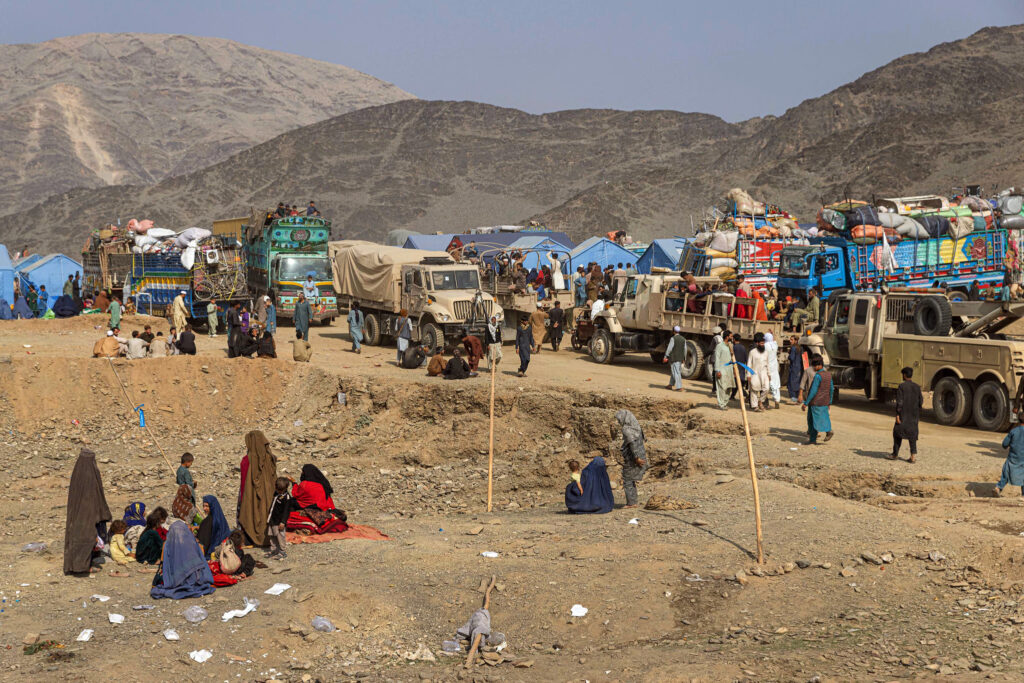
The sequence of events began on 22 February, when the Pakistani army bombed Nangarhar and Paktia provinces, citing militant strongholds as the target. The strikes killed 17 members of one family, including women and children, triggering cross-border skirmishes. Then, in the early hours of 26 February, military aircraft returned.
‘I was awake at the time,’ Bashardost recalls. ‘I suddenly heard a loud noise. It felt as if the whole city were shaking. Then I heard jets flying over Kabul, and I realised they were dropping bombs.’
Bashardost immediately contacted his colleagues and a security adviser, who then reached out to partners and staff in the provinces. By morning, it was confirmed that dozens of civilians had been killed and injured. The strikes hit multiple locations, including areas around the capital.
‘Psychologically, this conflict affects everyone at various levels. Especially people in vulnerable positions already facing economic hardship. There are many crises occurring simultaneously across the country.’
Keeping Staff Safe
Cordaid activated its security protocols, and staff in the border provinces were told to stay home. ‘These were very anxious moments,’ Bashardost says. ‘Our colleagues kept sending us messages. They were deeply worried, especially those running a health project in Nangarhar and Khost provinces.’
Hundreds of professionals working with NGOs in Kabul, including a Pakistani operations director based in Cordaid’s office, were suddenly cut off from their families on the other side of the border. Several Afghan staff members are in the same position, with their relatives stranded on the Pakistani side and no clear route home.
A Population Already under Pressure
The strikes came on top of an existing humanitarian crisis. The Pakistan-Afghanistan border had already been closed for months, halting trade, separating families and stranding travellers. Afghanistan exports fruit, vegetables, and other goods to Pakistan; Pakistan supplies many commodities to Afghanistan. Both economies have taken a serious hit.
‘Psychologically, this conflict affects everyone at various levels,’ Bashardost explains. ‘Especially people in vulnerable positions already facing economic hardship. There are many crises occurring simultaneously across the country.’
Cordaid has been working in Afghanistan since 2001, supporting communities through successive crises, with support from institutional donors, including the Dutch Ministry of Foreign Affairs.
Aid Operations Affected by the Violence
Humanitarian operations are also directly affected by the new outbreak of violence. Bashardost: ‘Several partner organisations have suspended activities in border areas and are informing donors that timelines will slip. We also had to halt operations for 24 hours and impose movement restrictions on staff, aware that further strikes could come without warning.’
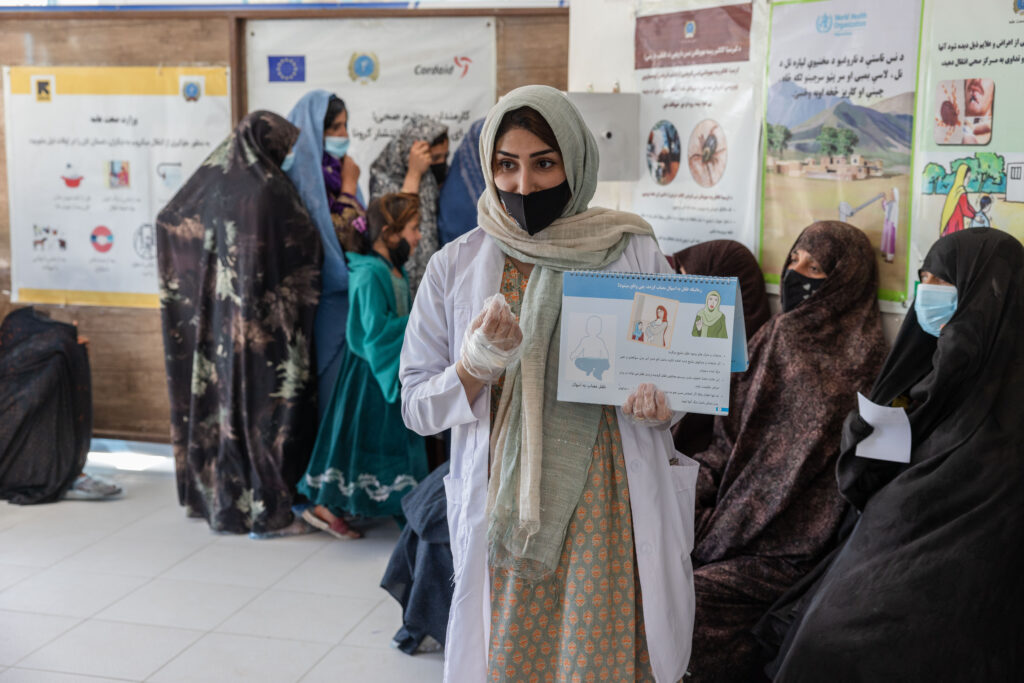
The country director is forthright about the broader picture of escalating violence in the region. ‘The world is on fire. It’s complete chaos. I think the world’s leadership is broken.’
He notes that several countries have urged Islamabad and Kabul to pursue diplomacy rather than military action. ‘Qatar, Saudi Arabia, Turkey, India and Iran have all urged restraint and encouraged talks. I find hope in the influence of Afghanistan’s immediate neighbours, particularly Turkey, Uzbekistan and Turkmenistan. War and fighting are never a solution; they are, in fact, the main problem.’
Why the World Should Pay Attention
Afghanistan sits at the intersection of Central and South Asia, linking trade routes that run from landlocked Central Asian states towards the Indian Ocean and the Middle East. Instability here does not remain contained.
Bashardost points to three interlocking risks. ‘If conflict deepens, the trade corridors could be severed entirely. Second, a reversal of fragile stability. After four decades of war, Afghanistan has achieved a degree of relative peace, however imperfect, and a return to widespread civil conflict would undo that hard-won progress. Third, the risk of extremism filling any vacuum left by a weakened government.’
Bashardost’s message to the outside world is simple: ‘This crisis demands our attention. What happens in Afghanistan won’t stay there. Countries involved in supporting peace in the region should pay attention to countries such as Afghanistan, so as to help address other issues that may arise from neglecting a timely solution.’