As the world’s focus shifts to the conflict in Iran and its neighbouring countries, violence is escalating in South Sudan. The population and those attempting to maintain humanitarian operations are bearing the brunt.
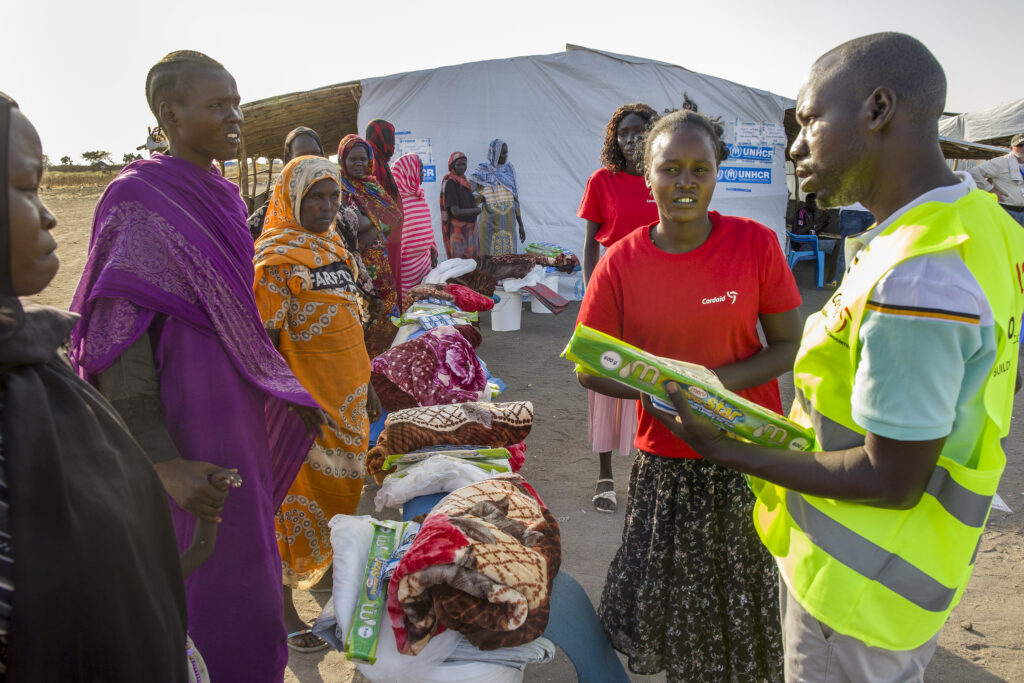
On the first of March, gunmen swept through Abiemnhom County in the central northern part of South Sudan. By the time they were driven back, more than 180 people had been killed, and over 4,000 had been displaced. Among the survivors was a Cordaid staff member, who spent hours hiding with a five-year-old boy he found wandering alone in the chaos.
The attack was not widely covered in Western media. That near-silence, says Tom Otieno, Cordaid’s Country Director in South Sudan, is part of the problem.
A Forgotten War
Otieno, a Kenyan national, has worked in South Sudan on and off for 15 years. He has seen this pattern before: a global crisis commands the world’s attention, and conflicts elsewhere quietly worsen.
‘The moment we shift our attention, the perpetrators of atrocities find the freedom to commit more,’ Otieno says. ‘They know the world is not looking at them.’
South Sudan has been in a state of fragile near-peace since 2018, when President Salva Kiir and his long-time rival, former Vice President Riek Machar, ended a civil war that killed 400,000 people.
A further peace agreement was signed in 2024. But violence has flared again in recent months. The UN estimates that roughly 280,000 people have fled the latest surge in fighting.
A report by the UN’s human rights commission, published in February, found that civilians were enduring killings, systematic sexual violence, arbitrary detention and forced displacement.
‘What was going through my mind? That this could be the last day of my life.’
The Night of the Attack
For Cordaid’s health worker in Abiemnhom (he will be anonymised for security reasons), the warning signs came hours before the first shot was fired. Rumours had been circulating for weeks that an attack was imminent. On Saturday evening, the authorities reassured residents that nothing would happen. He was not convinced.
‘At around eight in the evening, I already had a sense that something was going to happen,’ he recalls. At four in the morning, he heard gunfire. The attackers arrived without warning, opening fire on the compound. In the confusion, he fled outside, looking for an escape route. When he attempted to cross a bridge, he saw it was blocked by the attackers. He turned back, just in time.
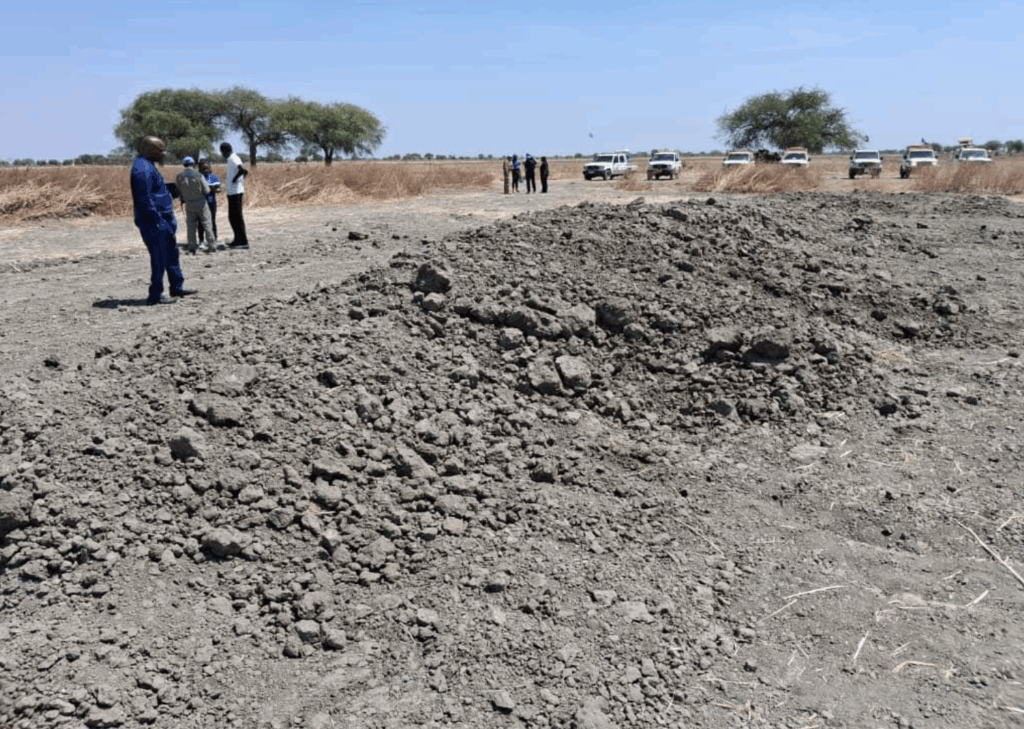
As he fled, he found a young boy, about five years old, standing alone, frozen amid the turmoil. He took the child with him and eventually found shelter in a small house, deliberately leaving the door open. It was a decision that saved their lives.
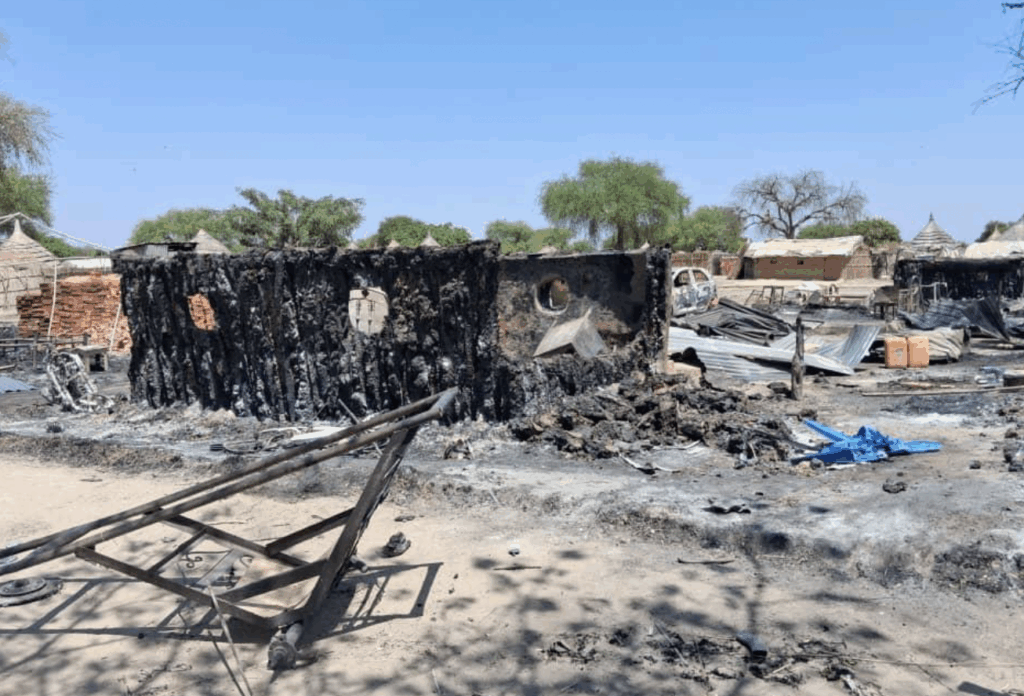
‘When the attackers came, they targeted all the houses that were locked. They broke in and burned them down. They passed by mine because the door was already open. They assumed no one was inside.’
He stayed quiet for what must have felt like an eternity, the child beside him, listening to the conversations between the attackers and the sounds of their horrific acts. ‘What was going through my mind?’ he says, ‘that this could be the last day of my life.’
When army units arrived and pushed the attackers back, they emerged from their hiding place. He immediately started attending to wounded survivors. He also managed to reunite the boy with his uncle. ‘When I confirmed he was the child’s family, I handed him over.’
Shortly after, the country director called and told him to evacuate immediately. He had no fuel and no cash. He went from compound to compound until he found eight litres of petrol. Then he drove out.
‘If the situation looks stable enough, we can continue with the project. If we stay away, the communities will suffer.’
A Clinic Converted into a Killing Zone
The violence directly struck Cordaid’s operations. A commissioner and a partner in the staff member’s project fled to the Cordaid-supported health clinic, the closest place of refuge. He was killed inside it.
The clinic is a primary healthcare facility that supports around 2,500 consultations per month. ‘A building that is known to save lives was converted into a killing zone,’ says Otieno. ‘I saw the photos. There was blood all over the floor.’
The staff member was eventually evacuated to Juba, the capital, where Cordaid arranged psychosocial counselling. ‘These things take time,’ Otieno says, ‘and he will continue receiving support for as long as he needs it.’
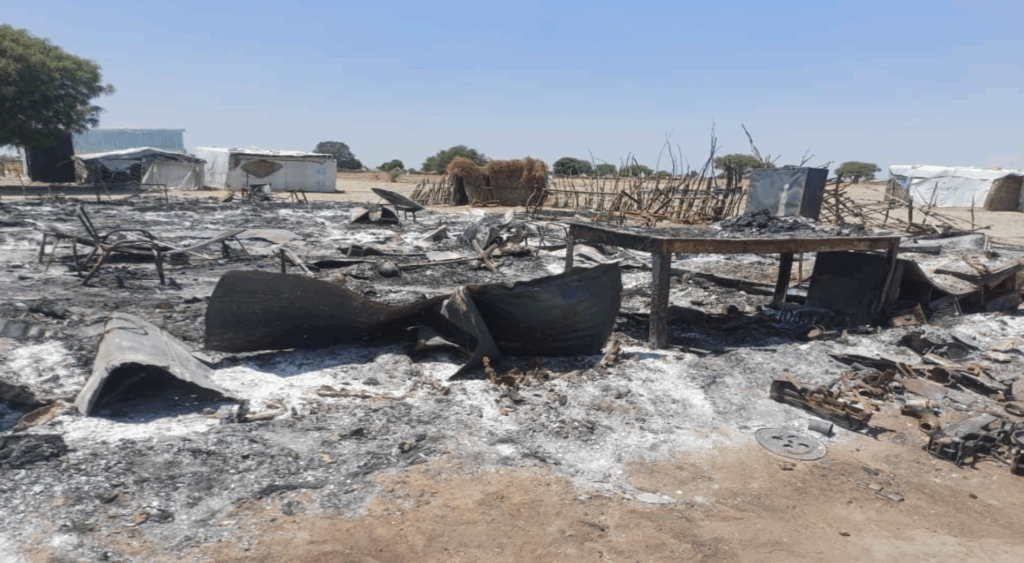
The health worker is due to return to the area within days as part of a two-person team sent to assess whether operations can resume safely. He is not without apprehension, yet clear about what the work demands. ‘If the situation looks stable enough, we can continue with the project,’ he says. ‘If we stay away, the communities will suffer.’
The Roots of the Violence
The attack in Abiemnhom County did not fit neatly into the narrative of a government-versus-opposition conflict. According to Cordaid’s staff member, it began as a cattle-raiding dispute: livestock were stolen, two men from one community were killed in retaliation, and a militia then struck back, targeting the wrong group. ‘This act of revenge fell on a community that had nothing to do with the original theft,’ he says.
The use of firearms, says Otieno, points to a broader problem. ‘As long as people have uncontrolled weapons, these challenges will never cease.’
Otieno sees peacebuilding as something woven into everything Cordaid does in South Sudan. Every project incorporates a component designed to promote peaceful coexistence, because, he says, conflict can emerge from almost anywhere: access to water, land disputes, the movement of displaced people.
Do Not Look Away
Otieno also has a clear message for the international community: ‘Even as we try to address other major conflicts in the world, let’s not forget the so-called ‘forgotten wars’. The moment we take our eye off a problem, it grows. The crises that fall out of the news cycle do not resolve themselves. They continue, often more violently, precisely because no one is watching.’