In eastern Afghanistan, Cordaid and its partners are reaching hundreds of thousands of people through community-based mental health, psychosocial support and physical rehabilitation services. However, demand continues to outpace capacity.
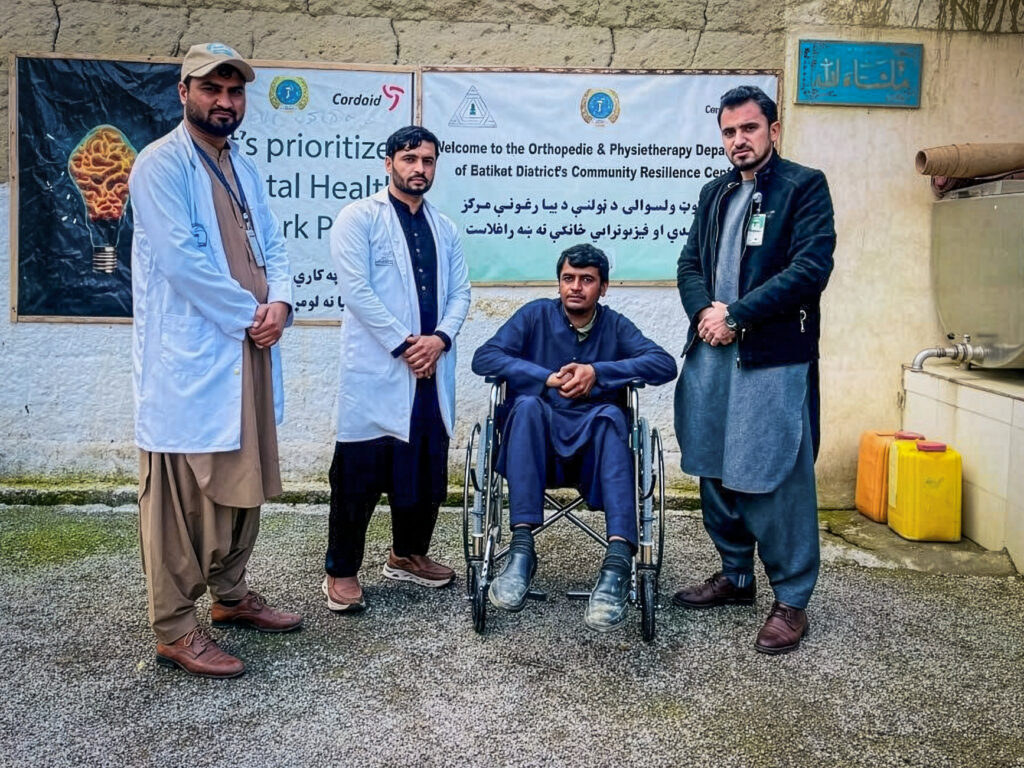
‘Whenever I face difficulties, I remember the guidance and apply it,’ says Atiqullah, who sought help at one of Cordaid’s Community Resilience Centres in Batikot district, Nangarhar province. ‘My problems become easier to handle.’
In the conflict-affected areas of eastern Afghanistan, years of violence, displacement and economic hardship have left deep emotional scars. For many in remote communities, mental health support remains out of reach. Stigma silences those who suffer, and people like Atiqullah found themselves unable to sleep, emotionally volatile and cut off from daily life, with nowhere to turn.
Finding Support Close to Home
Through the ‘No Peace Without Peace of Mind’ project, funded by the Dutch Ministry of Foreign Affairs, Cordaid and its implementing partner, HADAAF (Humanitarian Assistance and Development Association for Afghanistan), have established Community Resilience Centres in the Batikot, Rodat and Goshta districts of Nangarhar.
Atiqullah came to the Batikot centre after months of struggling alone. Over 25 days, a counsellor worked with him in a supportive environment, teaching practical coping strategies including positive thinking, anger management, healthy sleep routines and physical exercise. The approach also drew on culturally familiar practices such as prayer and reflection.
The results were gradual but real. His sleep returned, intrusive thoughts loosened their hold, and calm replaced anxiety. He began reconnecting with family and community, and over time, reduced his reliance on medication as his confidence grew.
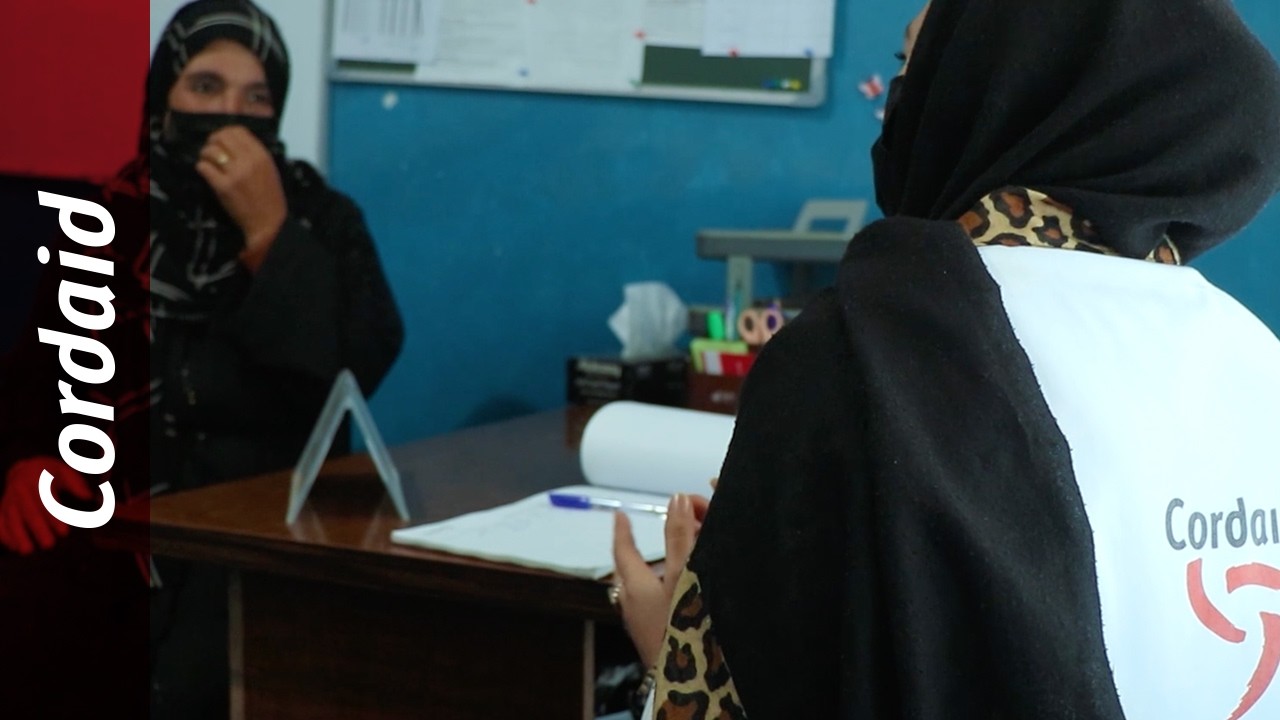
Watch this short documentary about our work on mental health and psychosocial support in Afghanistan:
Beyond Mental Health
The centres also serve people with physical disabilities, and the combination of services has proved significant.
Khalid Asad, a 30-year-old farmer from the same area, arrived at the centre unable to move without assistance. Following a severe illness, he had developed paraplegia, leaving him entirely dependent on family members for mobility. ‘Before coming to the centre, I could not move without someone else’s help,’ he says. ‘After several cycles of physiotherapy, I feel stronger and more independent. I am very grateful to the rehabilitation team in our area.’
Following a comprehensive assessment, healthcare providers developed an individualised treatment plan combining physical rehabilitation with psychosocial support. Over several months, Khalid received regular physiotherapy, including strengthening exercises, mobility training, balance work and functional activity training, alongside peer counselling. His muscle strength increased steadily, and he regained the ability to move and engage more independently.
Care That Reaches People Where They Are
The experiences of Atiqullah and Khalid point to what becomes possible when care is accessible and delivered within communities. By situating services close to where people live, and integrating locally familiar practices that help build trust, the centres are also gradually shifting attitudes towards mental health and disability.
HADAAF provides these services in coordination with Cordaid and in collaboration with Afghanistan’s Ministry of Public Health. The model’s insistence on proximity, avoiding the need for people to travel long distances or navigate unfamiliar institutions, has been central to its reach.
In 2025, Cordaid and HADAAF addressed more than 357,000 cases through the Community Resilience Centres: approximately 290,500 related to mental health and psychosocial support, and nearly 67,000 related to physical rehabilitation. However, the demand remains high and continues to exceed available capacity.