Refresher training for frontline health workers aims to improve patient retention, data quality and access to care in some of South Sudan’s most fragile settings.
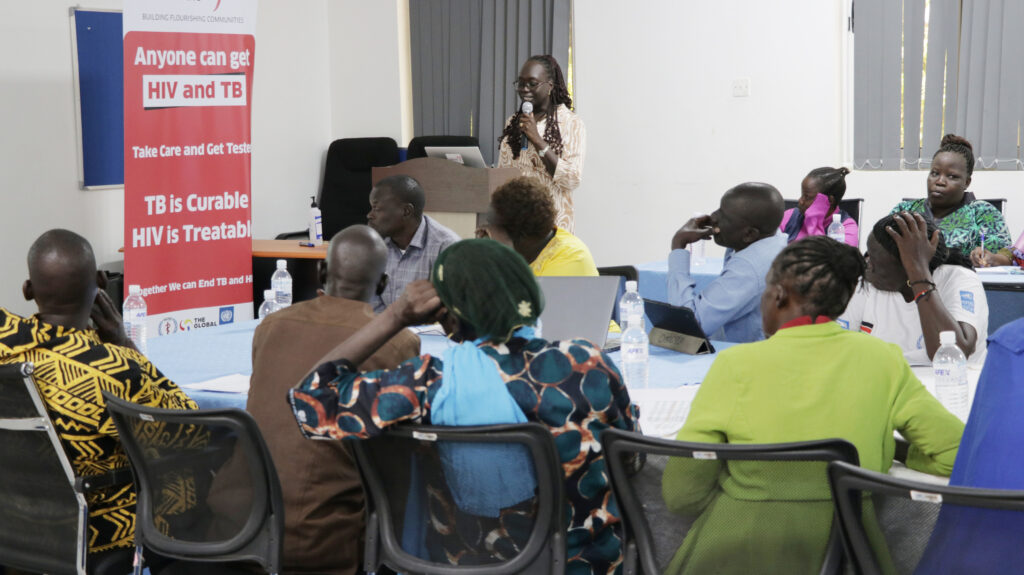
In South Sudan, military health facilities do far more than care for soldiers. Across a country where conflict, displacement and a fragile healthcare system continue to limit access to essential services, clinics run by the South Sudan People’s Defence Forces have become a vital lifeline for military personnel, their families and thousands of civilians living nearby.
A new training initiative is now helping to strengthen those services, with the potential to improve HIV and tuberculosis (TB) care for some of the country’s most vulnerable communities.
A five-day refresher training programme last April has brought together 70 health workers from Juba, Bor and Wau, equipping them with practical skills to enhance HIV and TB services, strengthen health information systems and improve long-term patient retention.
‘For a long time, I struggled with how to reach our army divisions with the right knowledge. This training has changed that.’
The programme addresses persistent challenges that undermine the quality of care. Despite the availability of HIV and TB services, many patients are lost to follow-up, health data is not always recorded or used consistently, stigma continues to discourage testing, and updated treatment guidelines do not always reach frontline providers quickly enough. These gaps can lead to missed diagnoses, interrupted treatment and preventable deaths.
Recognising the need for stronger systems and better support for frontline staff, the training brought together a multidisciplinary group of clinicians, nurses, counsellors and data personnel. The participation of the Chief of Defence Health Services and the Director of HIV Services underscored the SSPDF’s commitment to improving healthcare delivery and to strengthening collaboration across the health sector.
Equipping Frontline Workers
The training focused on practical skills that can be applied immediately within health facilities. Participants received updates on current HIV and TB protocols, including testing, treatment, patient monitoring and strategies for long-term retention in care.
Particular attention was given to improving data management to help health workers track patient outcomes more effectively and support evidence-based decision-making.
Another key area of focus was Differentiated Service Delivery, an approach that tailors HIV services to individual patients’ needs. This includes community-based antiretroviral therapy distribution, which can reduce pressure on health facilities, minimise missed appointments and improve treatment adherence.
Sessions also explored ways to increase demand for services, reduce stigma and strengthen patient retention, while improving coordination between different health cadres to ensure continuity of care.
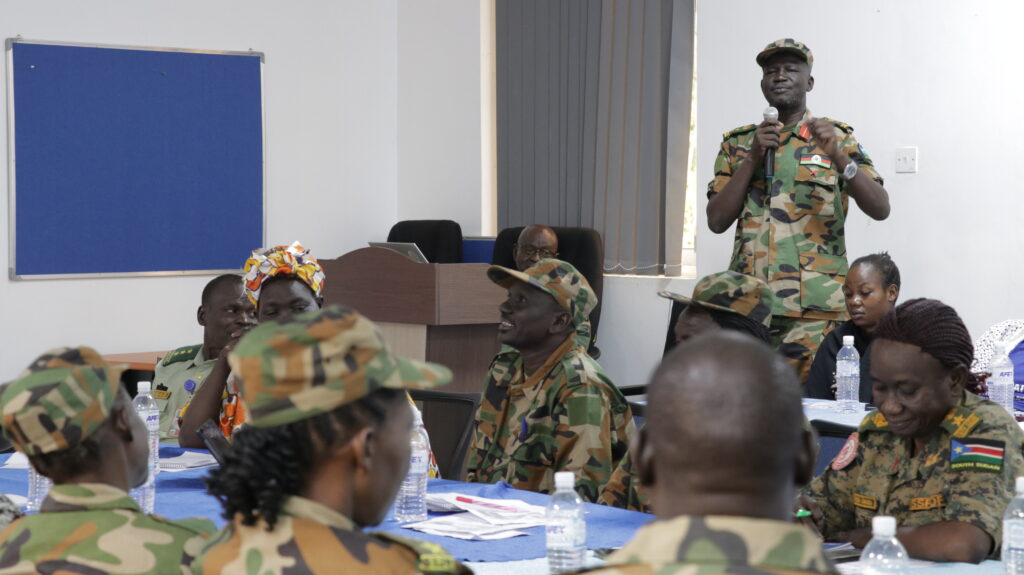
Learning Through Shared Experience
Interactive discussions allowed participants to examine the challenges they face in their daily work, including weak follow-up systems and gaps in documentation. Together, they identified practical, context-specific solutions that can be implemented within their facilities.
‘It reminded me that fighting HIV is both about providing medication and about reducing stigma.’
For Lt. Col. Harriet Fozia Jinaba, a counsellor who took part in the training, the programme reinforced the importance of supporting patients beyond clinical treatment.
‘This training has refreshed our knowledge and strengthened how we support our clients, not just through treatment but through consistent follow-up and counselling,’ she said. ‘It reminded me that fighting HIV is both about providing medication and about reducing stigma, encouraging testing and standing with our patients so they remain in care and live with dignity.’
The emphasis on mentorship and knowledge-sharing was also highlighted by facilitator Col. Cecilia Night, who described the programme as an opportunity to extend expertise across the military health system.
‘For a long time, I struggled with how to reach our army divisions with the right knowledge,’ she said. ‘This training has changed that. By integrating HIV, TB, sexually transmitted infections and hepatitis care, we are not only strengthening our services but empowering health workers to become mentors and ambassadors. I am confident this will transform how we serve, reducing stigma, improving adherence and ultimately saving lives because we are delivering care with both knowledge and purpose.’
Investing in Long-Term Progress
The training is expected to strengthen the quality of HIV and TB services, improve data systems, increase patient retention and expand the use of community-based models of care. The benefits are likely to extend well beyond military personnel, reaching the wider communities that depend on these facilities for essential healthcare.
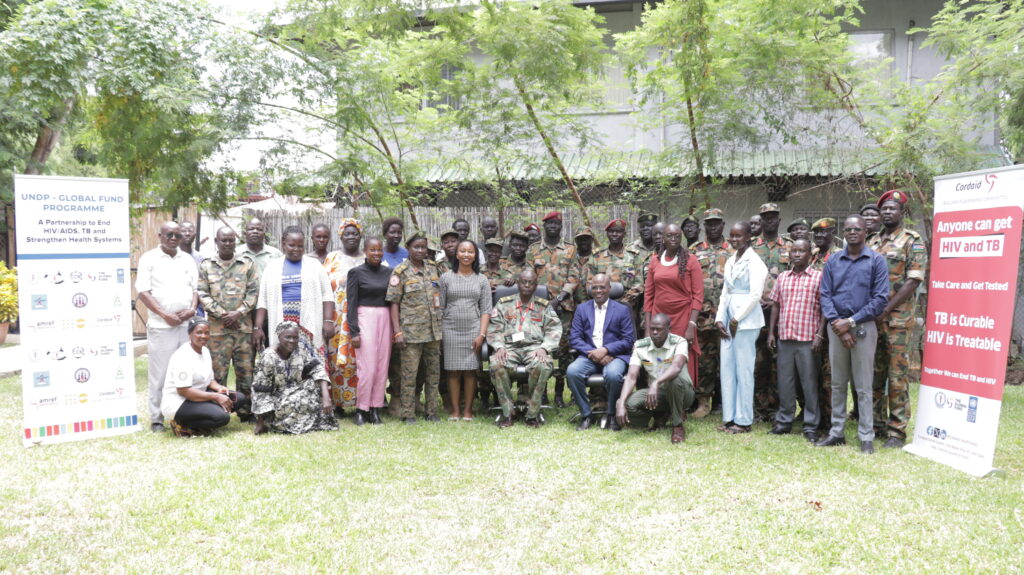
In a country facing some of the world’s most significant healthcare challenges, progress against HIV and TB depends on sustained investment in frontline workers and the systems that support them. Strengthening local capacity remains one of the most effective ways to improve health outcomes and contribute to global efforts to end HIV and TB as public health threats.
While the five-day programme marks an important step forward, its long-term success will depend on continued mentorship, supportive supervision and reliable access to medicines and diagnostic tools. Ongoing support from the Global Fund, the United Nations Development Programme (UNDP) and other partners will remain essential to ensuring that health workers can continue delivering life-saving care to the populations that rely on them.