In South Sudan, the Just Future programme, implemented from 2021 to December 2025, brought together communities, civil society, and institutions to advance justice, security, and inclusive governance.
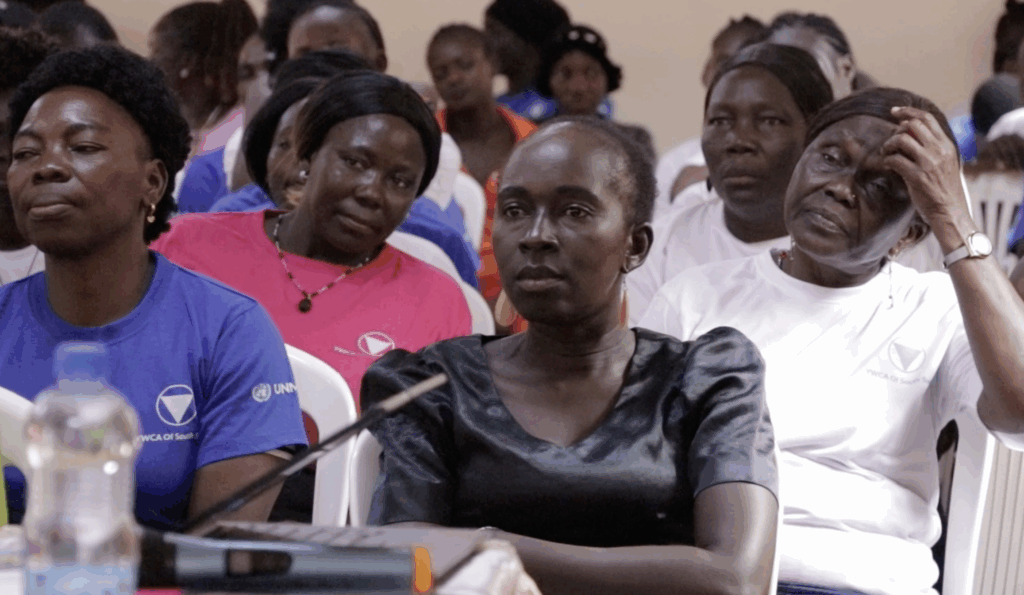
In contexts where trust between citizens and the state is fragile, lasting peace requires rebuilding trust from the ground up through local leadership, inclusive participation, and sustained engagement. For five years, the Just Future programme has worked to strengthen these foundations across some of the world’s most complex environments.
With funding from the Dutch Ministry of Foreign Affairs, Cordaid has led a consortium including Search for Common Ground and the Women’s International Peace Centre, alongside eight South Sudanese civil society partners.
In a strong commitment to localisation, 70% of programme resources were channelled directly to local organisations, reinforcing local leadership and strengthening civil society’s capacity to drive change from within.
A Vision for Transformation
The programme set out to influence long-term change by strengthening the social contract between citizens and the state. Its approach focused on three interconnected priorities.
Access to justice was advanced by supporting fair and transparent systems that respond to the needs of all, particularly women, youth, and displaced populations.
Accountable security was promoted through efforts to strengthen trust between communities and security actors, ensuring that safety is rooted in rights and accountability.
Inclusive peace was fostered by supporting dialogue and participation, ensuring that those most affected by conflict are part of decision-making processes.
These priorities were underpinned by a rights-based and evidence-driven methodology that combined research, community voices, and data to inform advocacy and policy engagement.
Strategic partnerships between international organisations and national actors ensured that interventions were both technically sound and locally relevant. At the same time, sustained investment in capacity strengthening enabled civil society organisations to engage more effectively with government and international stakeholders.
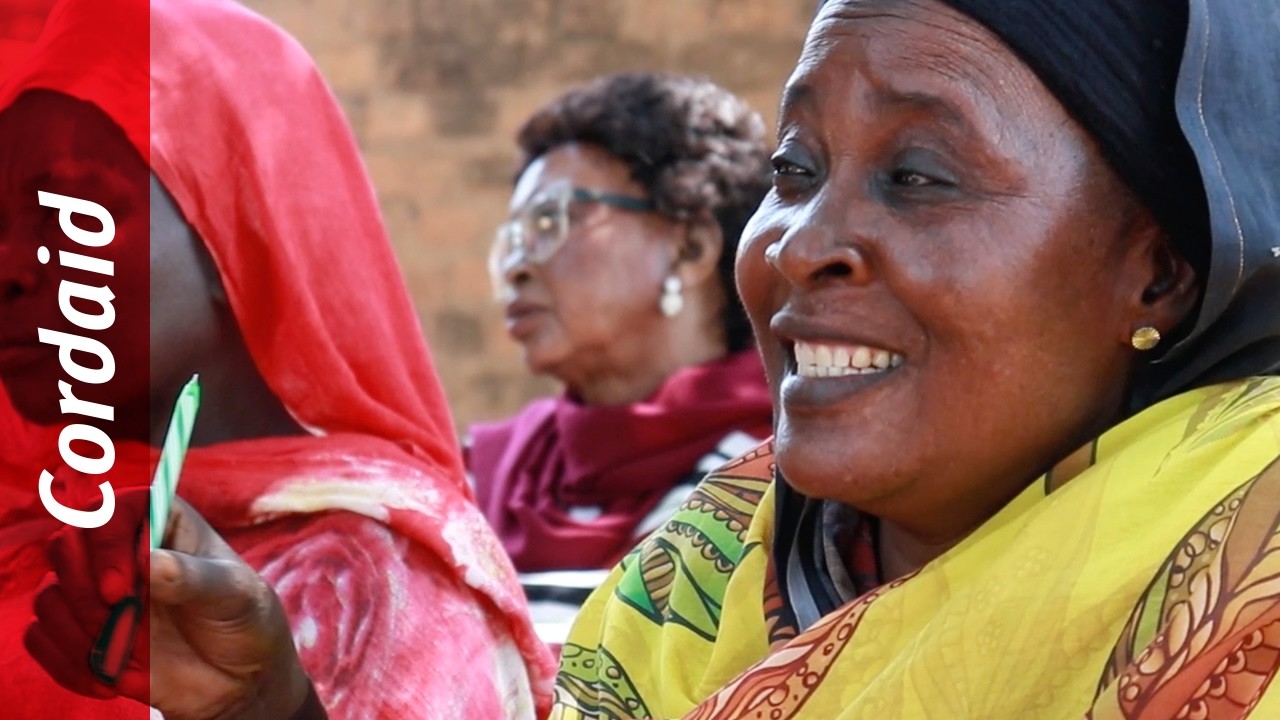
Watch this video about the impact of the Just Future programme in South Sudan:
Delivering Impact through Local Leadership
Across South Sudan, local partners played a central role in bridging the gap between communities and institutions. Through Security Observatory Committees established in Juba, Wau, and Yei, communities engaged directly with authorities to address safety concerns. These efforts contributed to a reduction in local conflicts and were supported by strengthened Police Community Relations Committees, which improved trust and communication between citizens and law enforcement.
‘Whenever something happened to a woman, she’d feel too shy to go to the police,’ says Amude Prossy, Secretary of the Police Community Relations Committee. ‘But through these formed structures like the Women Networks and the PCRCs, through the awareness they got from them, they are now able to report their case.’
More than 12,000 people, the majority of them women and displaced persons, accessed legal aid, psychosocial support, and information on human rights and the prevention of gender-based violence in locations including Bor, Yei, and Nimule.
In Torit, Yambio, and other programme areas, women leaders gained the skills and confidence to participate in governance and peace processes. Youth-led initiatives in Magwi and Kapoeta created spaces for dialogue and collaboration, helping to reduce intercommunal tensions while opening new opportunities for young people to contribute to peacebuilding.
The programme also amplified community voices through storytelling. Youth advocates produced videos and a documentary that highlighted the lived experiences of injustice, insecurity, gender-based violence, and youth unemployment, ensuring that policy discussions were informed by realities on the ground.
Strengthening Systems and Influencing Policy
Beyond community-level interventions, Just Future supported advocacy and policy engagement at national and regional levels. Evidence generated through research partnerships informed dialogue with policymakers and contributed to efforts to strengthen justice and security frameworks.
‘The project has empowered us as women on how we can advocate, talk and participate when it comes to decision-making,’ says Christine Faida from the Yambio community. ‘The gap was too big between women and men when it comes to decision-making, but through the project, we have narrowed the gap.’
Women Human Rights Defenders received targeted support and training, resulting in the development of a practical toolkit to enhance their capacity for protection and advocacy. Civil society organisations were also supported to strengthen their institutional systems, enabling them to sustain advocacy and engagement beyond the life of the programme.
The programme aligned with South Sudan’s Revitalised Peace Agreement, as well as global commitments on Women, Peace and Security and Youth, Peace and Security, ensuring coherence between local action and broader policy frameworks.
Challenges and Lessons Learned
Implementation took place in a context marked by recurring conflict, climate shocks, and institutional constraints. Flooding and insecurity disrupted communities and limited access to some areas, while gender norms continued to restrict participation, particularly for women in decision-making spaces.
These realities reinforced the importance of flexible, conflict-sensitive programming and long-term investment in local actors. The experience showed that progress is possible when interventions are grounded in local realities and when communities are supported to lead their own change processes.
A key lesson is the importance of sustained partnerships. Building trust between citizens and institutions requires time, consistency, and inclusive platforms for dialogue. Investing in women and youth proved essential, as their leadership was critical to advancing accountability and peacebuilding outcomes.
Sustaining Impact Beyond the Programme
Although the Just Future programme concluded in December 2025, its impact continues through the structures and networks established over the past five years. Community-based mechanisms such as the Women’s Peace Network, Youth Peace Network, and Police Community Relations Committees remain active, working to de-escalate tensions and promote cohesion.
The formation of an Alliance Coalition provides a platform for continued collaboration, advocacy, and knowledge sharing. Through this coalition, partners continue to champion access to justice, inclusive governance, and community-centred security while strengthening their influence at local, national, and regional levels.
The Just Future experience offers a clear direction for future programming. Sustainable peace and justice are rooted in local ownership. By strengthening civil society, investing in inclusive leadership, and supporting evidence-based advocacy, the programme has helped lay a foundation that will continue to shape South Sudan’s path forward.