In the war-scarred soils of Northern Uganda, a 25-year-old entrepreneur is proving that financial discipline and digital tools can do as much for the environment as planting trees. Robbin Ongom’s Vine Yard Tree Nursery now supplies seedlings across three countries and employs dozens of people, all while restoring land once devastated by conflict.
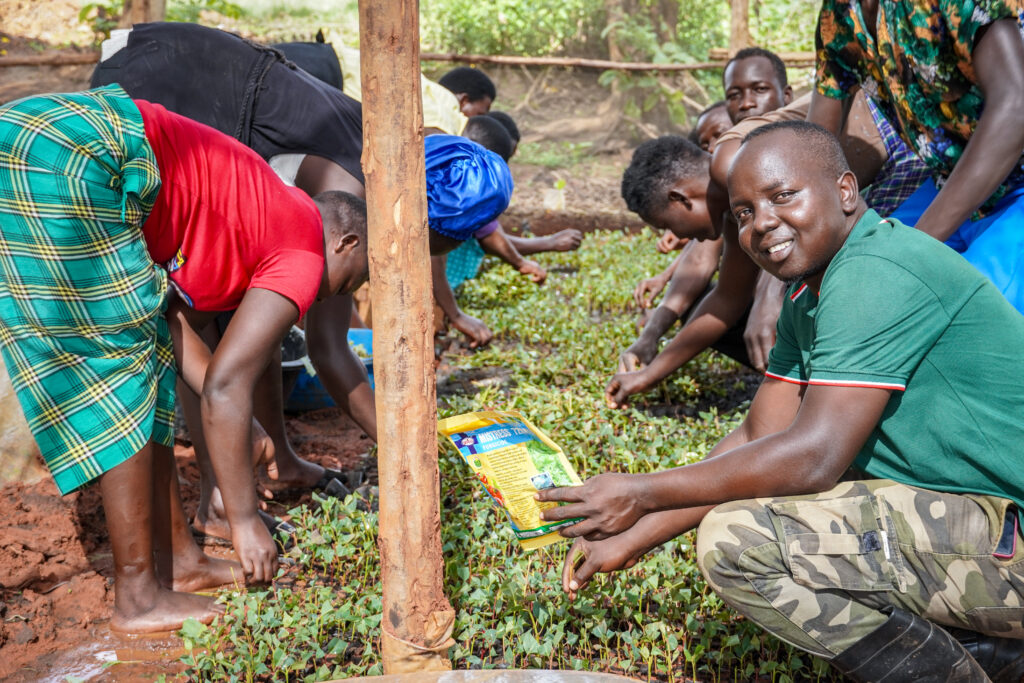
Robbin Ongom has built Vine Yard Tree Nursery into a cornerstone of climate action in Lira and the wider Northern Uganda region, a landscape still recovering from more than a decade of conflict. The enterprise grew out of a deep desire to restore the local ecosystem and bring young people back into agriculture and horticulture.
In the early stages of his business, Robbin faced hurdles common to many emerging small enterprises. A lack of formal training in financial management and marketing placed a ceiling on his growth.
‘I used to mix up my business and personal finances,’ Robbin admits. ‘To me, it was all my money, and I saw no good reason to keep it separate.’
This blurred line between personal and professional finances, combined with a reliance on paper-based records, limited Vine Yard’s ability to scale and compete in a modern marketplace.
Digital Integration and Financial Literacy
The trajectory of Vine Yard changed significantly after Robbin took part in a specialised training session organised under the Highflyers Project. With support from Cordaid Uganda and SOMO Africa, he gained the technical skills needed to professionalise his operations.
The transformation focused on three areas. On financial discipline, Robbin opened a dedicated bank account for the business and introduced rigorous budgeting and record-keeping. On digital transformation, Vine Yard moved away from paper records and adopted the IPOS accounting system, allowing real-time tracking of the business’s health. On market expansion, Robbin used digital tools to bridge what he calls the ‘digital gap’ often seen in Northern Uganda, enabling Vine Yard to engage clients online and trade seedlings across Tanzania and South Sudan.
Scaling Growth and Transforming the Community
The professionalisation of the business has led to a significant leap in operational efficiency, positioning the enterprise as a regional leader in climate resilience. By moving from survival to strategic planning, Robbin has opened up new markets and created substantial employment.
A core achievement of this expansion is its contribution to inclusive economic growth. ‘Over the past two years, the team has grown from six to 23 staff members’, Robbin says. ‘Notably, 17 of these employees are women under 35, underscoring the our role in providing meaningful work for young women in the horticulture sector.’
Environmental Stewardship in Northern Uganda
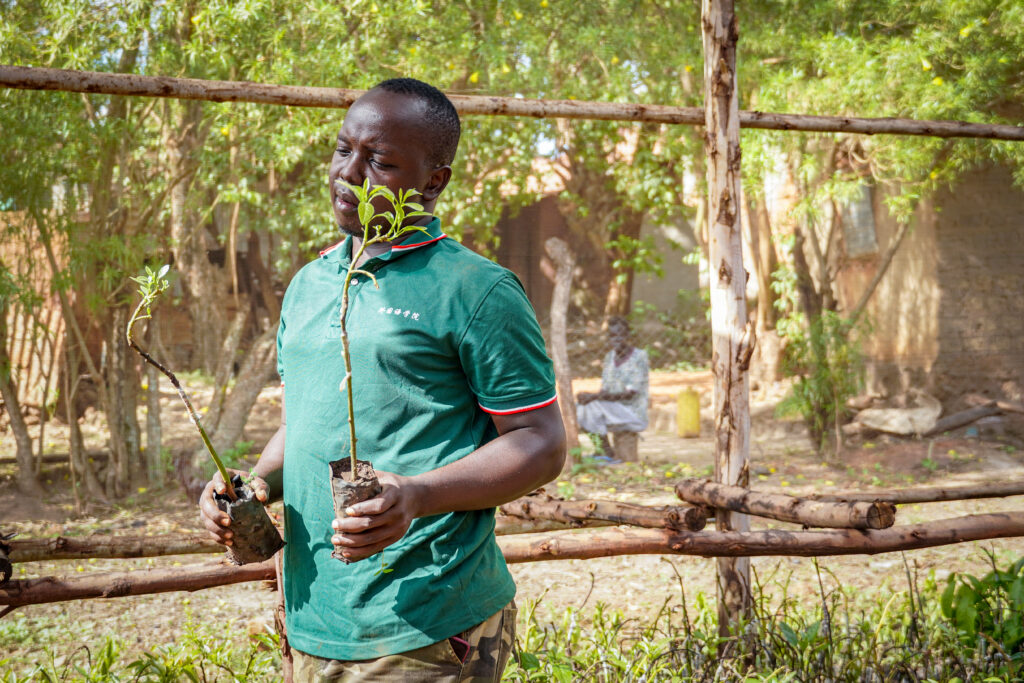
The expansion of Vine Yard’s production facilities has also broadened its capabilities well beyond basic cultivation. The nursery now conducts scientific soil testing to verify seedling viability, professional grafting and pruning to optimise high-yield varieties, and rigorous seedling selection to maintain quality standards across three- to four-year growth plans for high-value crops such as macadamia and cocoa.
Robbin speaks with pride about his business management and his commitment to a sustainable vision for the region. ‘Vine Yard prioritises environmental stewardship in Northern Uganda, donating tree seedlings and offering professional gardening services to the community. These initiatives benefit the local ecosystem while also building client loyalty and attracting new partnerships, demonstrating that community engagement can be an effective marketing strategy in its own right.’
Ambitions Beyond Commercial Success
As Robbin looks ahead, his ambitions for Vine Yard extend well beyond commercial success. ‘My goal is to establish the enterprise as the leading seedling provider in Northern Uganda and act as a catalyst for a broader reforestation movement. By inspiring a new generation to plant trees, I hopes to help build a stronger defence against the worsening effects of climate change.’
His vision is also rooted in the principles of the circular economy. Aware of the environmental challenges facing his community, Robbin is seeking partnerships with ecological organisations such as the Aler Recycling Factory in Lira. ‘Through these collaborations, we hopes to address the growing problem of plastic waste in Lira City, integrating waste management into his green business model to create a more complete sustainable cycle.’
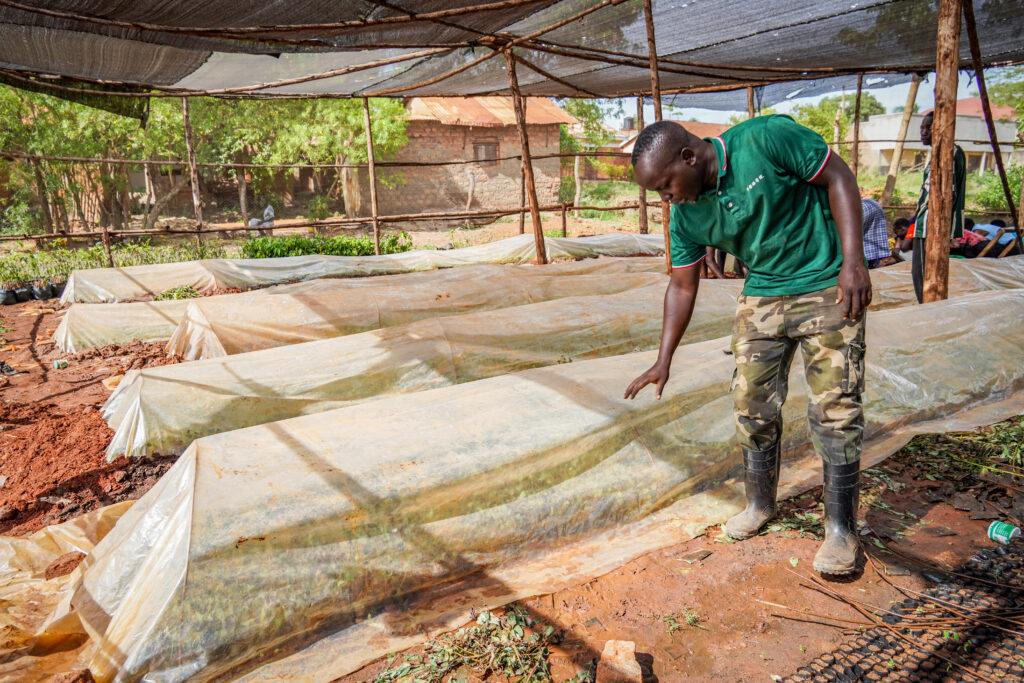
Despite his progress, the road ahead still holds many challenges. Like many growing small enterprises, Robbin continues to navigate the difficulties of securing investment capital and managing rising labour costs. His response, though, mirrors the inventiveness of his business model. By building a collaborative network of youth employees and volunteers from government programmes, he has found a way to ease the resource gap while offering valuable training to the local workforce.
The Highflyers Project closed its implementation in December 2025.