Vaccination is one of the most effective ways to protect children and communities from preventable diseases. Yet access to vaccines is not shaped by health systems alone. Gender norms, unequal decision-making power, lack of time or money, safety concerns, and limited access to information can all affect whether children receive life-saving immunisations.
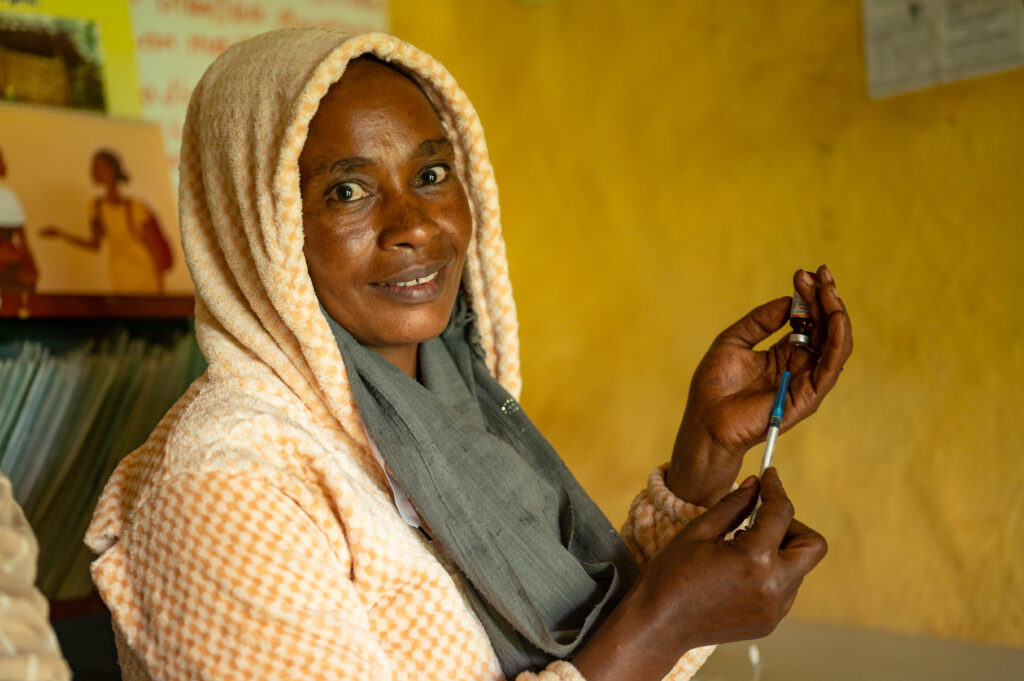
In many communities, women are expected to take children to clinics, but may not have the resources, permission or support to do so. This background paper looks at how gender influences access to vaccination, and how Gavi, the Vaccine Alliance, responds. It highlights gender-related barriers in immunisation, from information gaps and low father involvement to cultural restrictions and clinic logistics. It also explores Gavi’s work to strengthen demand for vaccines, support female health workers, engage fathers and community leaders, and improve access for zero-dose and under-immunised children.
The paper includes a special focus on HPV vaccination, showing why reaching adolescent girls is essential for preventing cervical cancer later in life.
Alongside the paper, you can also explore Cordaid’s general infographic on how gender and health intersect.