If you teach sexuality education to young people, whether in a classroom, a youth centre or an informal group setting, these free, downloadable materials are here to support you.
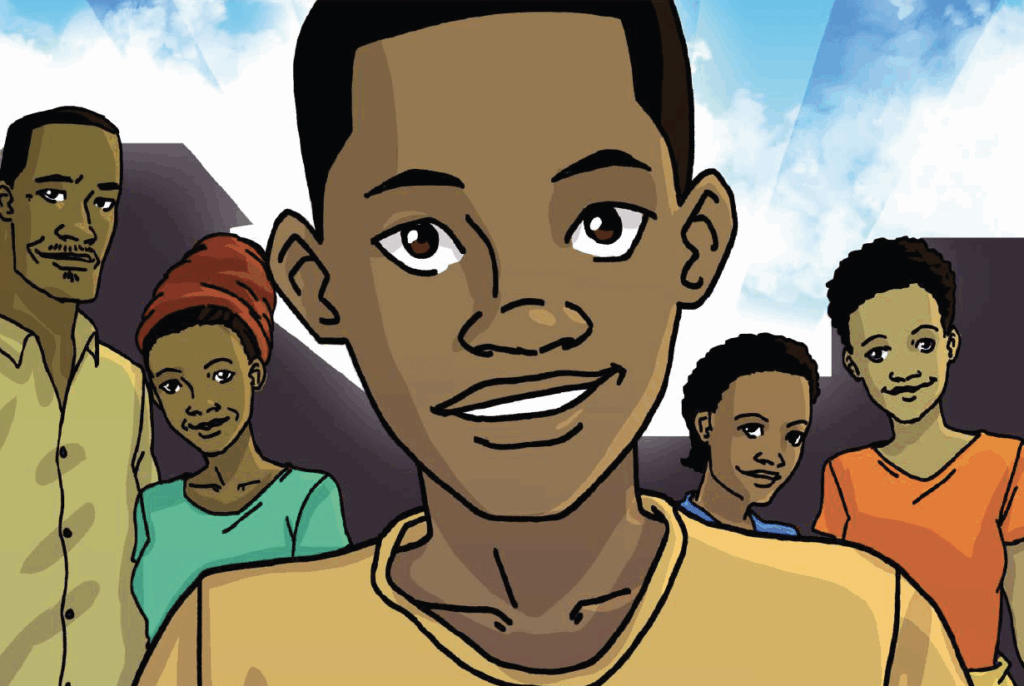
Cordaid developed this series of booklets, facilitator guidebooks and a card game as part of the Jeune S3 programme, covering topics such as puberty, life skills for teenage mothers, positive masculinity and general SRHR knowledge for young people aged 10 to 24. Materials are adapted for different age groups and literacy levels, including out-of-school youth.
On this page, materials are published in English and French. Several titles are also available in Amharic, Luganda, Sidamigan, Swahili and Ugandan English upon request. Email [email protected] to request these versions.
Puberty and Body Changes for Ages 10 to 14 (Like Sarah, Mirjam and Joe)
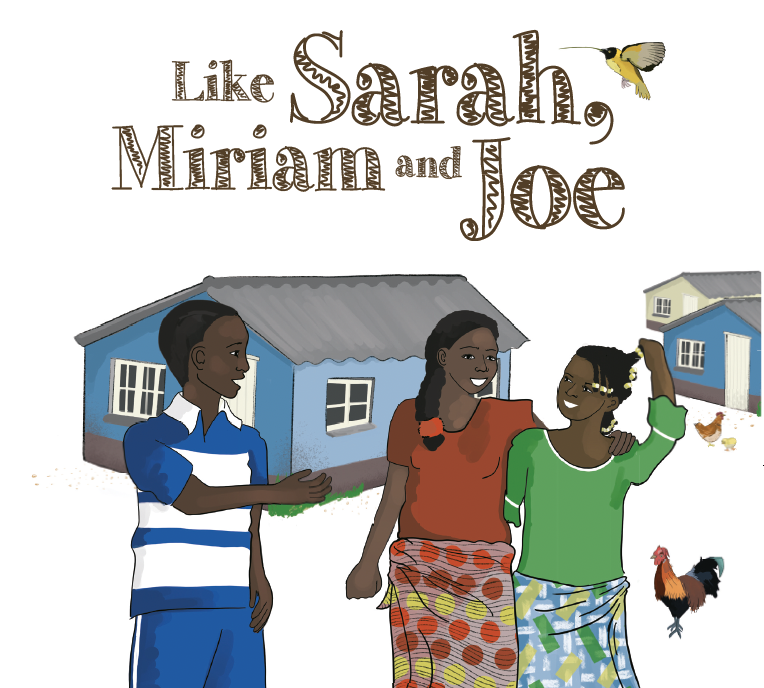
This booklet helps girls and boys aged 10 to 14, particularly those who are out of school and have not received any comprehensive sexuality education, begin to think about body changes, relationships, gender and peer support.
It supports girls’ self-empowerment by helping them feel more comfortable with the changes in their bodies. Its low-cost, attractive format is suitable for low-literacy audiences and works well for informal peer education in girls’ rooms and youth centres, creating natural entry points for peer support and SRHR awareness-raising.
Also available in Amharic, Luganda, Sidamigan and Swahili upon request.
Facilitator Guidebook
This guidebook supports teachers, youth group leaders, and youth mentors in running weekly one-hour sessions with groups of 10 to 25 adolescents aged around 10 to 14. Each chapter opens with a dialogue to read and act out together, followed by discussion and activity ideas that facilitators can adapt to their own group. Factsheets provide background theory for facilitators, so no prior expertise is required.
Life Skills for Teenage Mothers (Like Pamela)
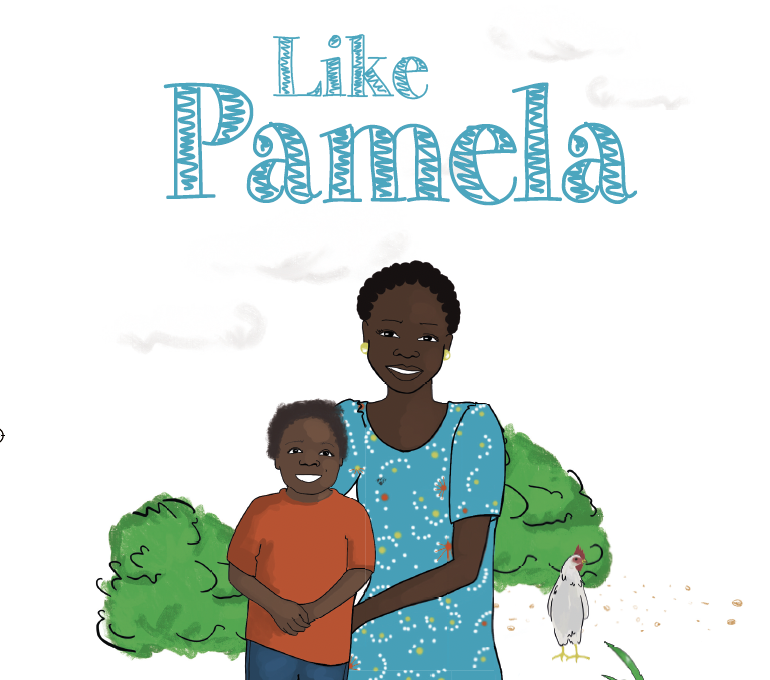
Written for teenage mothers aged 13 to 18, this booklet supports life skills education for adolescent girls across Africa. Parts of the booklet are also useful for anyone caring for a young infant at home for the first time, regardless of their relationship to the child.
Also available in Amharic, Luganda and Ugandan English upon request.
Facilitator Guidebook
This guidebook helps facilitators prepare weekly one-hour sessions with groups of adolescent girls, ideally no more than twenty-five. As with the other guidebooks, each session opens with a dialogue to act out together, followed by key discussion questions and a suggested activity. Factsheets provide background information to help facilitators answer participants’ questions.
The method aims to build girls’ knowledge, self-esteem and self-confidence, and to foster a more supportive environment around them. The guidebook also includes suggestions for special sessions with parents and caregivers of teenage mothers, found at the end of the guide, to help shift attitudes towards teenage mothers and their children within the wider community.
Also available in Ugandan English upon request.
Positive Masculinity for Boys Aged 10 to 16 (Like Joe)
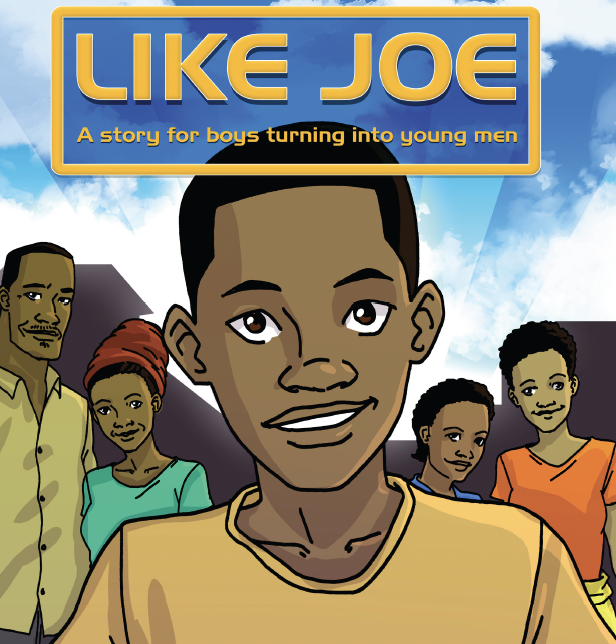
This storybook uses the character Joe to help facilitators lead sessions on positive masculinity with young people aged 10 to 16 across Sub-Saharan Africa. Positive masculinities are healthy behaviours that improve the wellbeing of boys and men and help build communities with equal rights, equal opportunities and agency over one’s own body and life. Toxic masculinity, by contrast, refers to behaviour that harms young men themselves and others, such as excessive risk-taking or violent behaviour.
Adolescent boys are shaped by gender norms just as much as anyone else, including harmful expectations that discourage them from developing skills such as managing emotions, caring for themselves and others, or building meaningful relationships. Understanding positive masculinity helps young men develop their full potential, in all its diversity, for themselves and their communities.
Facilitator Guidebook
This guidebook contains 33 one-hour sessions of discussion prompts, games and activities designed for interactive, participative learning in an informal setting. Sessions are designed to be playful and engaging, letting boys experience, practise and reflect through learning by doing.
Talking to Children About Sex and Relationships, For Parents (Papa, Maman, d’où viennent les bébés ?)
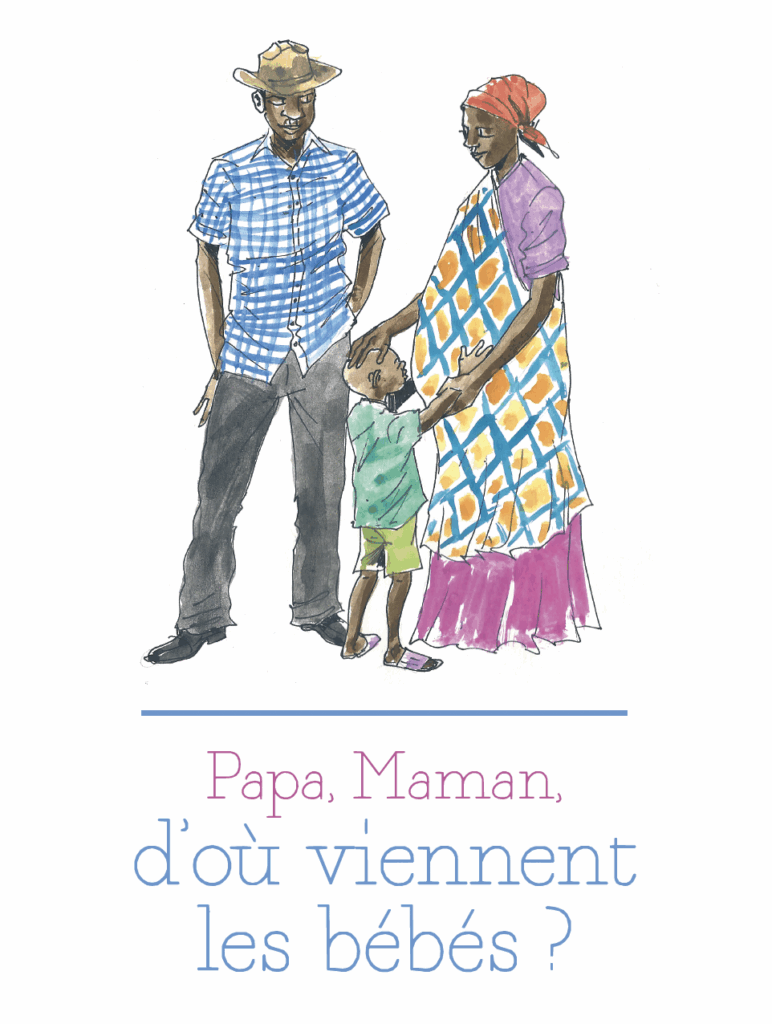
This booklet helps parents talk to their children about love, relationships and sexuality.
SRHR True or False Card Game for Ages 15 to 24
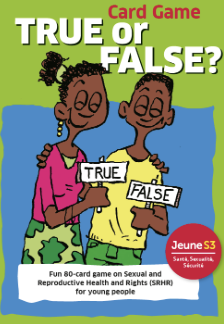
This 80-card game raises awareness of sexual and reproductive health and rights among young people aged around 15 to 24. It tackles taboos and misinformation with objective information to help young people make informed decisions during adolescence.
Cards are organised into eight broad categories, each answered ‘true’ or ‘false’, with an explanation on the reverse to spark discussion among players. Rules are provided for both small and large groups.
Guide on Sexual and Reproductive Health for Religious Leaders
The guide on youth sexual and reproductive health (SRH), designed for religious leaders, contains a flexible training programme and is intended for use across different faiths and cultures. It aims to educate religious leaders and equip them with the information and skills needed to better understand young people and support them in making decisions regarding their sexual and reproductive health.
About the Jeune S3 Programme
Jeune S3 was a multi-country programme implemented by a consortium led by Cordaid in Benin, the Central African Republic, Cameroon and the Democratic Republic of Congo, funded by the Dutch Ministry of Foreign Affairs. The programme aimed to strengthen the capabilities and opportunities of young people aged 10 to 24 to make informed choices about their sexual and reproductive health and to advocate effectively for their rights in this area.