As the climate crisis deepens, climate finance will fall short if it overlooks the conditions of fragility that already weaken people’s resilience and limit their ability to adapt. Weak institutions and limited access to essential services (e.g. health, market and justice systems, energy, sustainable WASH services, food security), can prevent climate measures from reaching those who need them most.
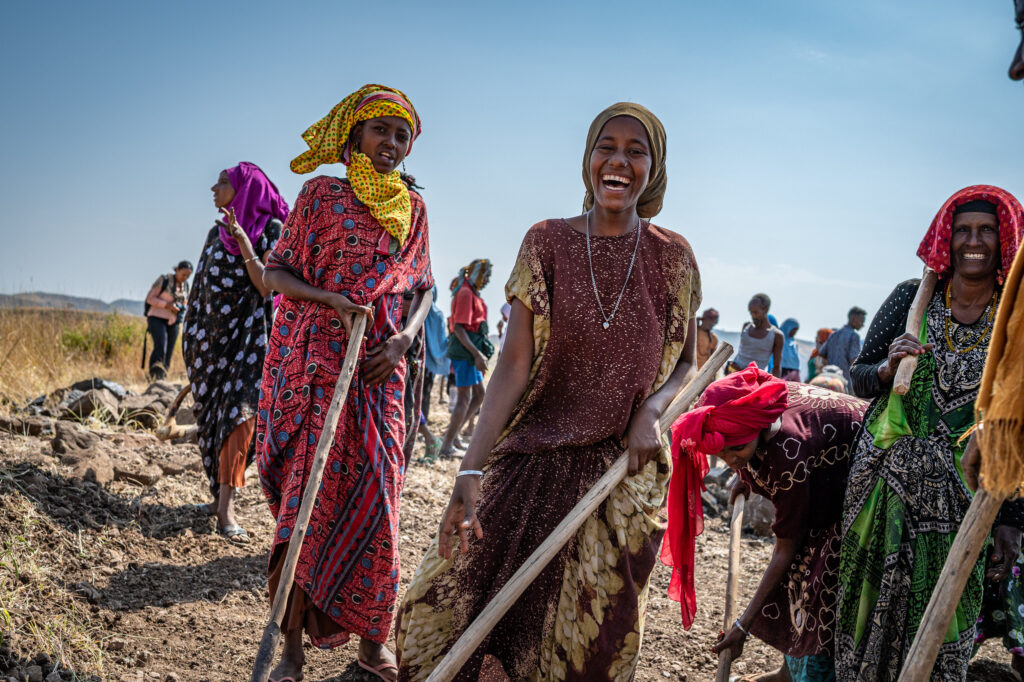
Conflict can disrupt livelihoods and displace people, forcing households to adopt coping strategies that may increase pressure on natural resources as they seek to secure their income and survival. The resulting pressure on land, water, and forests can contribute to environmental degradation, reinforce inequality, and deepen vulnerability to climate change. Fragility is not confined to particular countries labelled “fragile”: it can emerge wherever the risks people face outweigh the capacity of communities and institutions to respond.
Building on our COP29 and COP30 position papers, Cordaid and the Civil Society Platform for Peacebuilding and Statebuilding (CSPPS) reflect in this paper on the important question of whether fragility is sufficiently taken into account in climate finance and its funding mechanisms, and who is part of decision-making processes about how funding is used and delivered.