Days after catastrophic floods buried whole villages in Nepal, Cordaid’s local partner is expanding its humanitarian assistance. Arpana Karki, Programme Coordinator for Caritas Nepal’s Disaster Management Department, explains the response so far, the current needs on the ground, and how communities are coping. ‘There’s mud everywhere.’
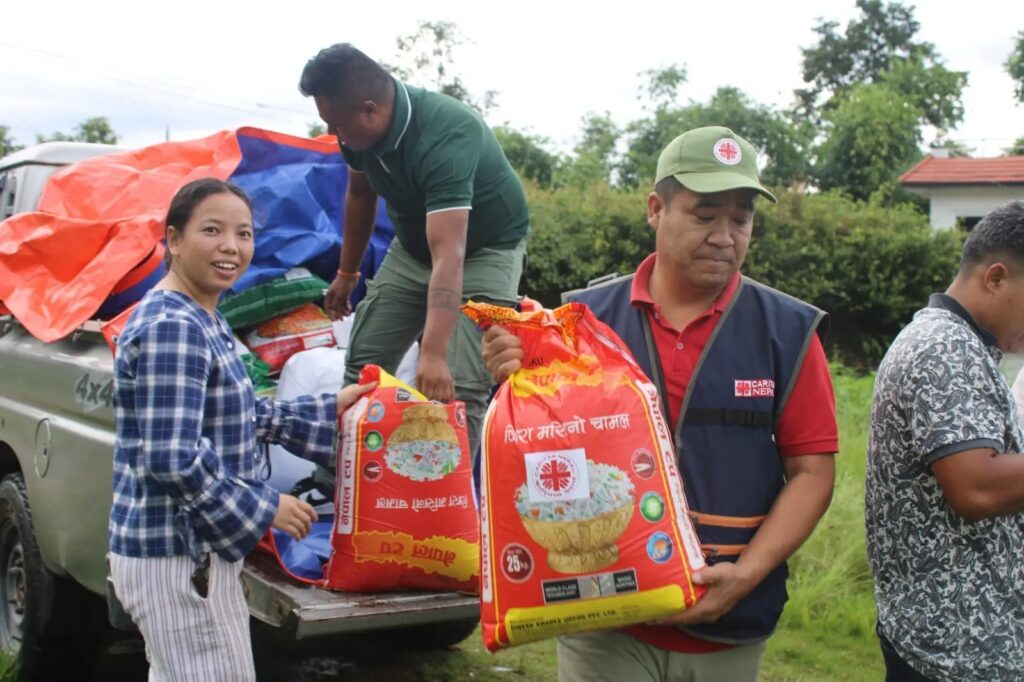
On 26 August, a glacial lake in the Himalayas breached its natural banks in what is known as an outburst flood, a sudden release of water, ice and rock triggered when a lake dammed by glacial debris gives way, sending a wall of water and mud crashing down the valleys below. Caritas Nepal took immediate action and is supplying, among other things, food, water, clothing, hygiene products, tents, blankets, kitchen supplies, solar-powered lamps, and educational supplies.
Did people expect a disaster like this?
‘The risk was known. We knew there were more than 2,000 glacial lakes in Nepal, of which 21 have been identified as potentially at risk of an outburst. However, we used to think of it as a distant risk, something that could happen in the future. Now it has happened, and the impact is very alarming. The question is when the next outburst will come, and whether we will be prepared.’
How are people describing what happened?
‘People struggle to find the right words to describe what they experienced. Some said it was like a tsunami; others, a volcanic storm. Their descriptions may differ, but together they convey just how overwhelming the event was.’
‘Children know something has happened, but they haven’t really understood it yet. Perhaps they are still trying to make sense of it all and what it means to be without their parents.’
How did Caritas respond in the first days?
‘From day one, we started coordinating with local partners. On day two, our staff started moving with food and non-food items, and we went to see the holding centres and displacement centres. There were a lot of people there, but eventually people started moving on to Kathmandu, the capital, about 70 to 80 kilometres from Nuwakot. We’ve been addressing their needs, while trying not to overburden the host communities.’
How many people are still cut off from aid?
‘It could be more than 2,000 households. People in the urban and semi-urban areas have access to roads and have received aid, but many villages don’t have road access at all. Their only option is helicopters. We want to reach around 350 households still up in the hills with food and non-food items. They said they had only one or two days of food left.’
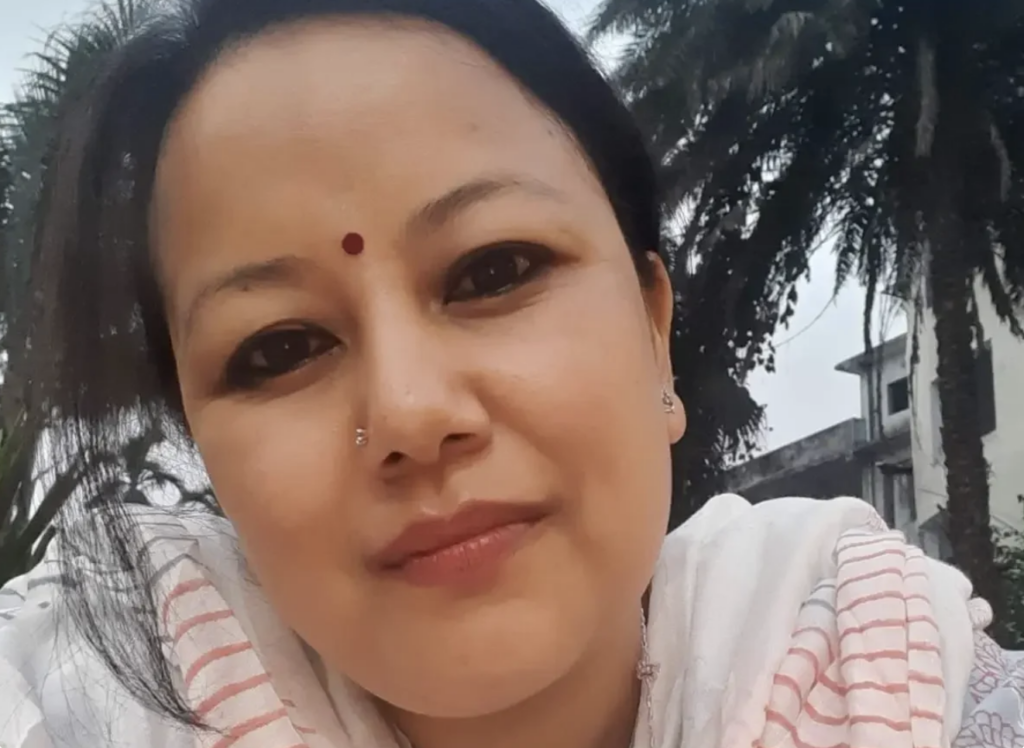
How are people dealing with the mud?
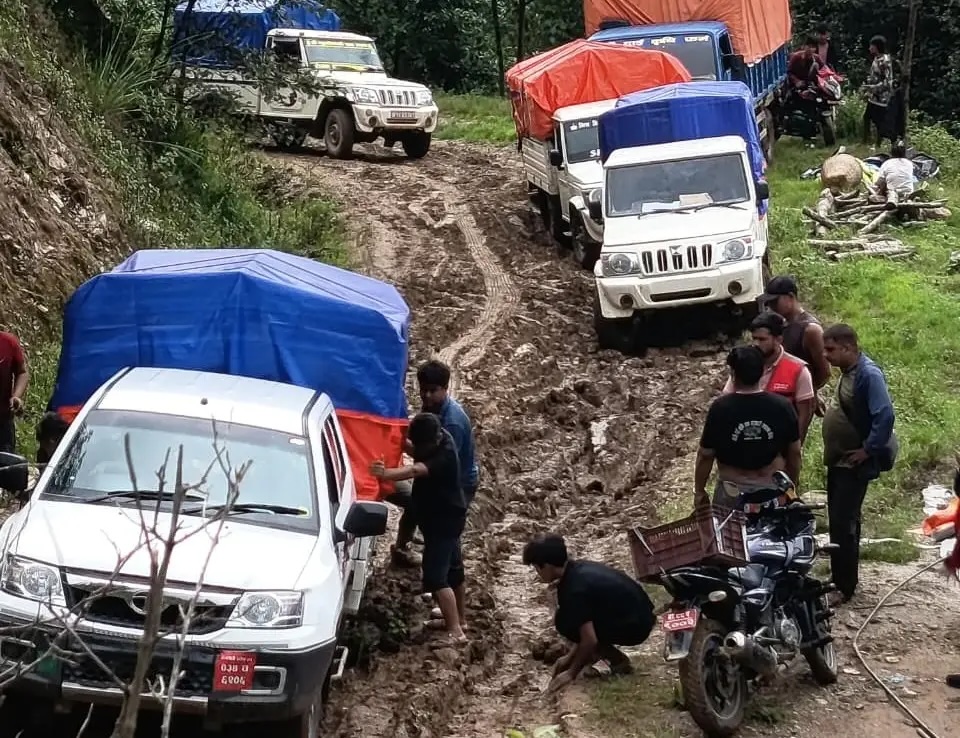
‘Mud is everywhere now, from three feet to sixteen or twenty feet deep, inside and outside buildings. Debris clearance has to be one of the first activities for early recovery. I met with the National Disaster Risk Reduction and Management Authority, and they agreed we should focus on clearing mud from schools, health facilities and homes so people can live in them again. It’s also making delivery harder. You can see the trucks getting stuck in the mud, and, on top of that, it’s the rainy season.’
A Caritas convoy got stuck for 18 hours. What happened?
‘One of our teams set off from our office in Kathmandu bound for Nuwakot with several trucks. The journey took far longer than expected, and they did not reach their destination until well after dark the following day. They carried mostly dry food, rice, lentils, and non-food items. They told me that the roads were in terrible condition. It was raining heavily, and we were concerned about the risk of soil erosion. They had to stay there overnight and continued the following morning. When they finally arrived, people welcomed them with very big hearts. Whenever I called the aid workers, they kept saying: “Don’t worry, don’t worry.” They were so positive, even though they hadn’t eaten properly either. Their first question was when I would be sending them on the next trip. They were already excited to go again.’
What trauma is Caritas witnessing on the ground, particularly among women and children?
‘I spoke to my team in Rasuwa. They told me there are 56 orphaned children there, all cramped into one room, and we were discussing how to support them. With food and non-food items, and even paying rent so they can have two rooms and a teacher or guardian to look after them, because someone has to cook for them too. I don’t think the government will be able to set up an orphanage that quickly. We don’t yet know how many more orphans there will be across the other villages. The trauma is still very recent, especially for the women, many of whom have lost their husbands, their children, their belongings.
‘They can’t fully process it yet. Right now, their priority is getting somewhere safe. It will take time before they can properly grieve. We’ve seen videos of children being asked where their parents are, and they say they were washed away by the river. They know something has happened, but they haven’t really understood it yet. Perhaps they are still trying to make sense of it all and what it means to be without their parents. That understanding may come later, when the immediate shock has passed, and reality begins to sink in.’
‘These communities need to be part of long-term development, not forgotten once the headlines fade and the emergency is over.’
What is Caritas doing for these children?
‘We’re planning various activities, such as nutritious food support and temporary learning shelters, because many schools have been damaged and proper reconstruction will take time. We’ve planned around 20 of these shelters, with psychosocial counsellors and teachers, and we’re supporting them with board games and toys so children can play, have fun and have some normality with friends and teachers while they process what’s happened.’
If you had one message for international decision-makers on climate change, what would it be?
‘My message would be simple: don’t just come when disaster happens. Places like Rasuwa need support to rebuild, prepare for the next disaster, and ensure people have early-warning systems that can actually save lives. These communities need to be part of long-term development, not forgotten once the headlines fade and the emergency is over. They deserve the chance to recover, rebuild stronger, and be better prepared for what lies ahead. No one should be left behind.’
What does Nepal need to face the future with less fear of natural disasters?
‘It’s always better to help communities prepare in advance instead of waiting until a disaster has already happened and then responding. An early warning is only useful if people receive it in time, understand what it means, and know what action to take. The government also has an important role in planning and zoning. We know some glacial lakes could pose a risk, and there are areas where people should not be building homes. We need clear risk zones and better planning so that communities are not put in harm’s way. Early warning and preparedness should be a major government priority. Organisations like ours can support that by helping communities prepare, practice, and take anticipatory action before a disaster strikes. Ultimately, the goal is not just to respond better, but to make sure fewer people are caught unprepared in the first place.’
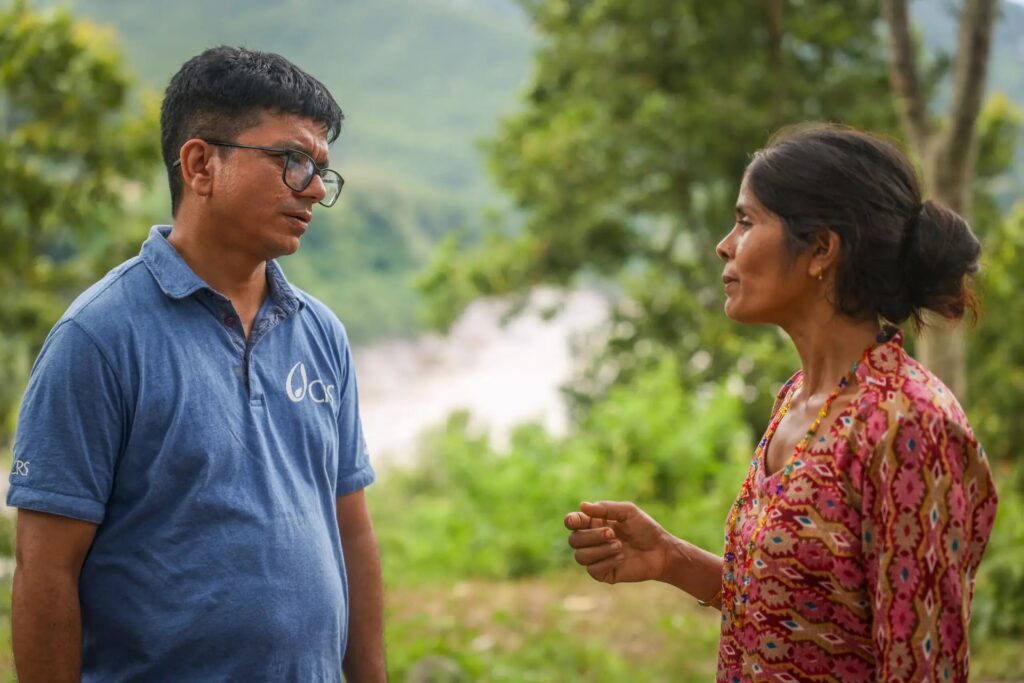
What did Pope Leo’s solidarity message mean to you and your community?
‘We were very moved to hear his words and prayers for Nepal, and the contribution that came with them was very symbolic for us. We don’t often receive support like that, so it meant a lot. We are very grateful, not only to Pope Leo, but also to Caritas Internationalis, whose team has been incredibly supportive throughout this difficult time. That solidarity has reminded people here that they are not alone.’
By Susan Dabbous, Caritas Internationalis Editorial and Media Officer