As global attention on Lebanon dwindles, the country’s needs are only increasing. More than one in five Lebanese remain displaced, and hundreds of thousands still depend on humanitarian support. Cordaid has worked closely for years with local partner Caritas Lebanon, work that has recently caught the eye of officials in Dutch politics.
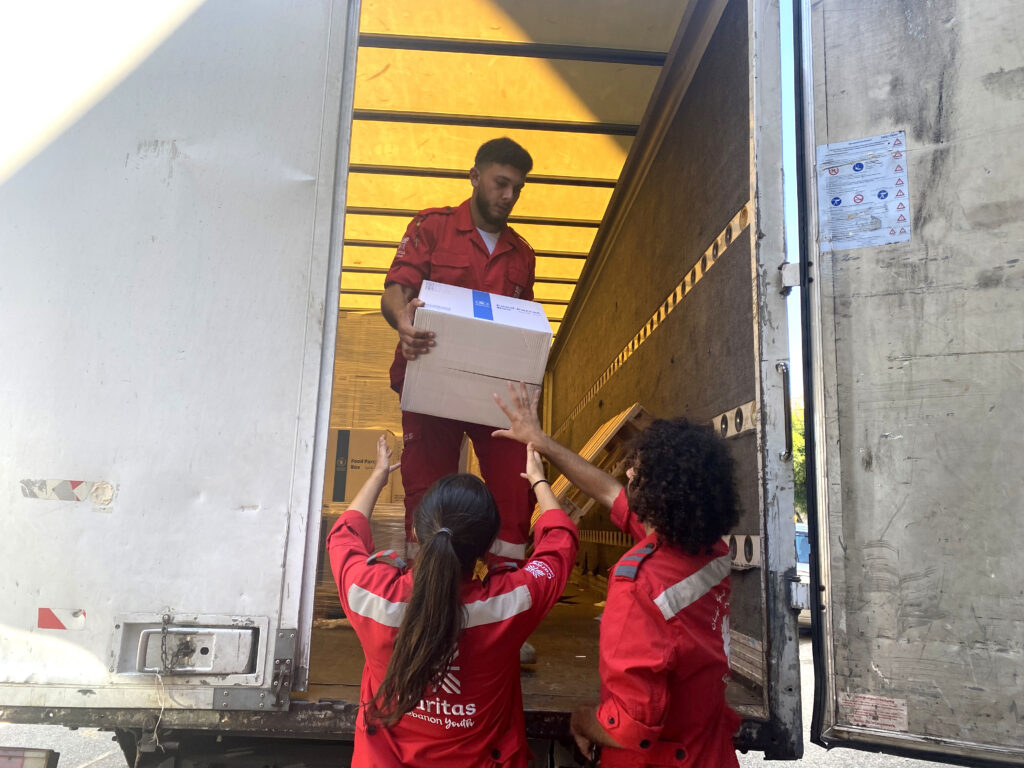
In mid-August, a delegation from the Dutch Relief Alliance (DRA) and the Ministry of Foreign Affairs travelled to Lebanon and returned impressed by what they had seen. Caritas Lebanon provides shelter to a group of people who often remain invisible: migrants who, like many Lebanese themselves, have been displaced, but who have no access to formal support systems.
‘Amnesty International has called this a form of modern slavery for years,’ said Juliëtte Verhoeven of Save the Children recently on the radio programme Bureau Buitenland. ‘Migrants from Africa and Asia are brought into the country under false pretences, believing they will work in hospitality or cleaning. They then discover they are confined within a household, with no rights and no safety net whatsoever.’
Admiration
The Dutch Relief Alliance partners focus their efforts precisely on these groups, those in especially vulnerable positions. This also became apparent to Minister Sjoerdsma for Foreign Trade and Development Cooperation, who visited southern Lebanon in early September and met with aid workers, local authorities, entrepreneurs, journalists and civilians.
Writing on LinkedIn afterwards, he reflected on the visit and the people he had met, expressing admiration for the dedication, resilience and courage of aid workers. ‘I heard about the conditions under which aid workers carry out their work,’ he wrote. ‘The safety risks are considerable, yet many continue because of a deep sense of responsibility to their community. Their stories show why our support remains necessary: for today’s needs, and to give people a chance to rebuild their lives and their future.’
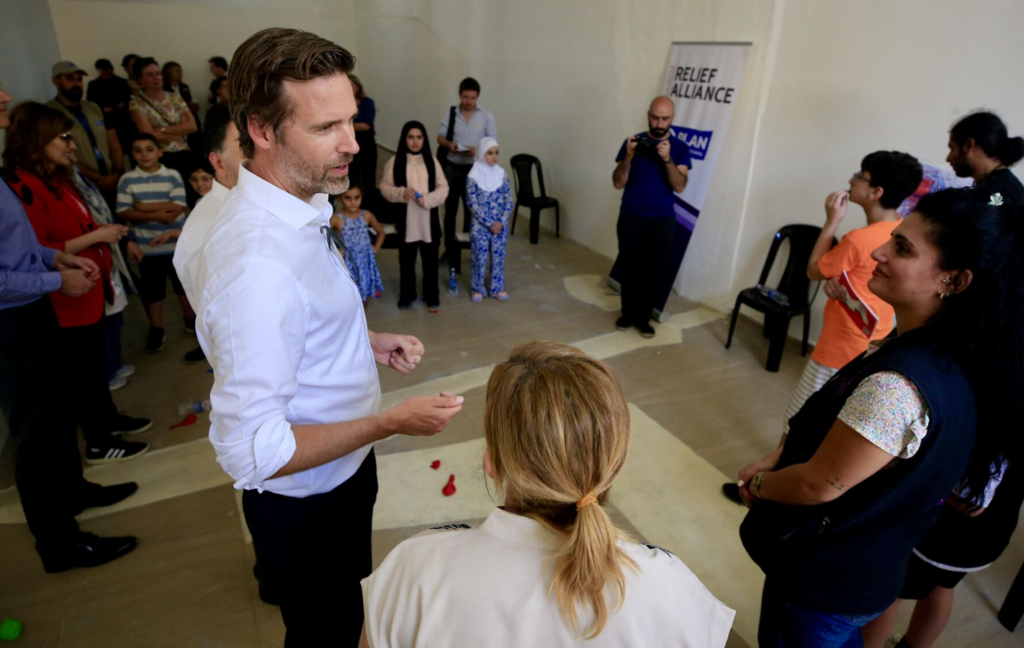
Sjoerdsma also stressed that violence against aid workers, journalists and civilians is entirely unacceptable. ‘International humanitarian law is clear on this. When such attacks do occur, thorough investigation is needed into what happened and whether humanitarian law was violated. The Netherlands supports Lebanon in carrying out this kind of investigation.’
A Vote of Confidence
The Netherlands is among Lebanon’s six largest donors, having programmed around fifty million euros annually in recent years, partly through local partners such as Caritas Lebanon. For a local organisation, this level of recognition signals that the frontline work of actors like Caritas Lebanon is being taken seriously at the highest levels.
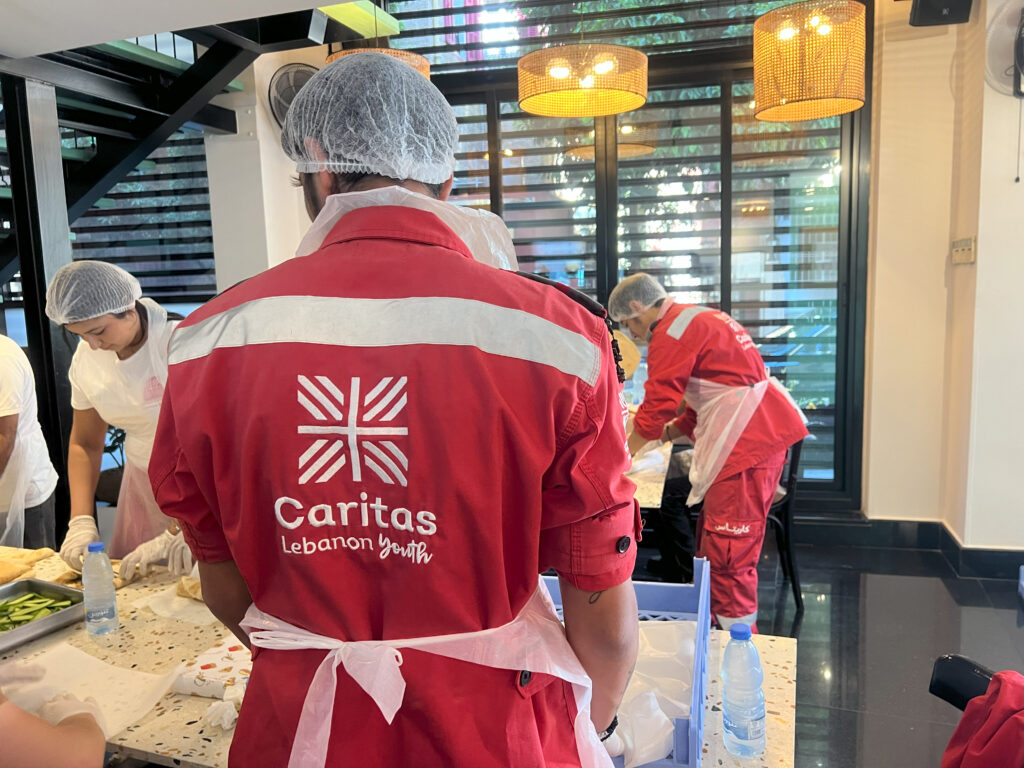
Caritas Lebanon operates on many fronts simultaneously. Alongside emergency relief for displaced people, it provides medical care, support for people with disabilities and agricultural training for women in crisis-affected areas.
Greater Reach
Caritas Lebanon’s reach exceeds that of many international organisations working in the country. This is precisely why Cordaid chooses to work directly with local actors: they know the field, have the networks and can respond faster than an organisation arriving from outside. The response in Lebanon clearly shows why locally led action works.
The Money is Running Out, the Needs Are Not
The DRA’s one-million-euro project ends in mid-September. Needs in Lebanon remain just as high as ever, even as funding for the country continues to decline. Cordaid will continue its partnership with Caritas Lebanon and is actively seeking new funding sources.