Skip to content

From Investment to Impact: Strengthening Agri-Food Systems in Africa

Food systems
Rwanda -

At the Africa Food Systems Forum 2026, Cordaid representatives from Rwanda, Uganda, Kenya, South Sudan and Ethiopia shared a regional ambition with practical results: stronger rural enterprises, climate resilience, inclusive finance and new opportunities for young people and women.
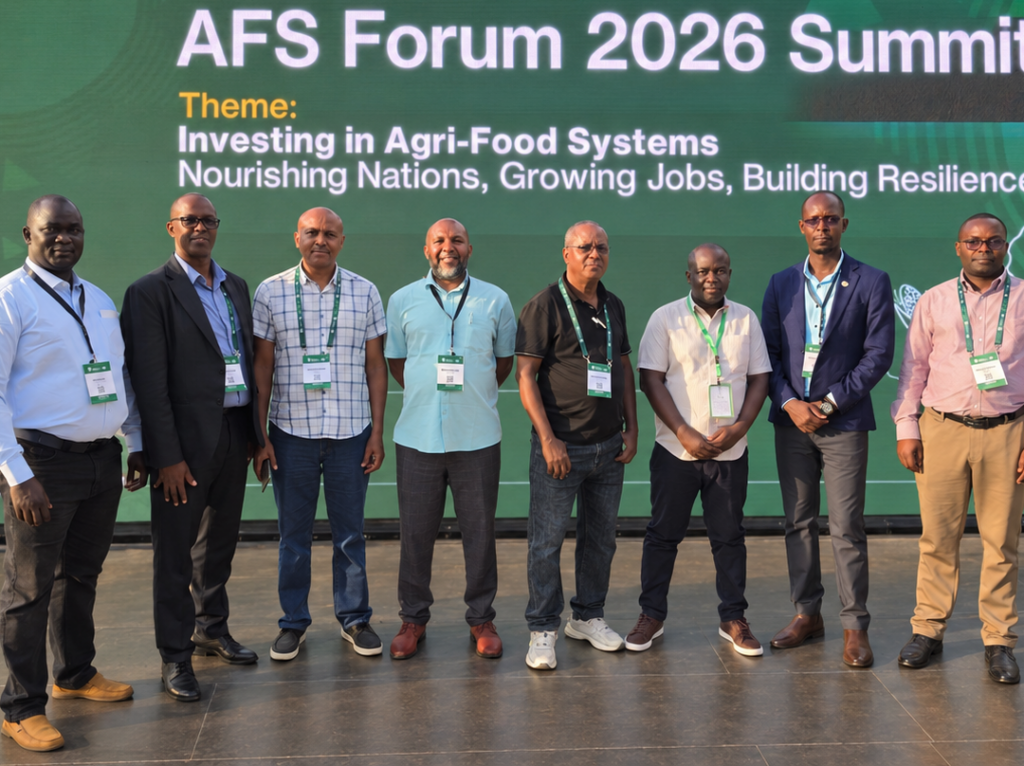
The Cordaid delegation at the Africa Food Systems Forum 2026.

More than 5,000 participants from over 50 countries gathered last week in Kigali for the twentieth Africa Food Systems Forum. Under the theme ‘Investing in Africa’s Agri-Food Systems: Nourishing Nations, Growing Jobs, Building Resilience’, leaders from government, business, finance, research and civil society explored how investment can move beyond promises and deliver lasting results for farmers, entrepreneurs and consumers.

For Cordaid’s delegation, the Forum was both a place to learn and a place to contribute. Colleagues from five country offices brought experience from drought-prone farming regions, refugee-hosting districts, rural financial systems and communities affected by conflict.

Through the Dutch pavilion and discussions with organisations including IFAD, FAO, Equity Group and CABI, they explored how partnerships can connect local delivery capacity with finance, science, markets and public policy.

Our shared conviction: Food systems become more resilient when farmers and local enterprises can access the skills, services, finance, markets and decision-making power they need to invest in their own future.

Turning the Forum’s Themes into Results

Across Cordaid’s food systems portfolio, the priorities discussed in Kigali are already visible in practice. Cordaid works with communities, governments, businesses, financial institutions and civil society to strengthen the wider system around producers and entrepreneurs. The goal is not only to increase production, but also to create decent work, improve nutrition, restore ecosystems and build economies that can withstand climate and conflict-related shocks.

Have a look at these examples of Cordaid’s work in strengthening agri-food systems:
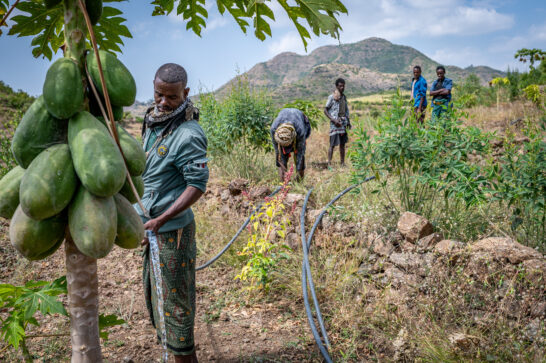
Finance Needs Local Delivery Capacity

One of the Forum’s most relevant announcements was the launch of the Africa Rural Climate Adaptation Finance Mechanism by IFAD and Equity Group. The US$200 million initiative is designed to expand climate adaptation finance for 260,000 smallholder producers and 500 rural enterprises in Kenya, Uganda, Tanzania and Rwanda over twelve years.

The mechanism reflects a lesson Cordaid sees repeatedly in its work: capital alone is not enough. Farmers, cooperatives and rural businesses also need technical knowledge, credible business plans, climate information and access to markets. Financial institutions need the capacity and confidence to design products that respond to agricultural risk. This is why Cordaid combines finance with systems strengthening and enterprise support.

Partnerships That Can Take Solutions to Scale

The Kigali conversations reinforced the value of cross-border, cross-sector partnerships. Governments provide policy direction and services; financial institutions mobilise capital; research and technical agencies bring evidence; businesses connect producers to markets; and local organisations ensure that programmes remain inclusive and grounded in community priorities.

Cordaid’s role is often to connect these actors and make collaboration work in practice, especially in fragile and conflict-affected settings. We bring experience in locally led development, public-system strengthening, inclusive finance, enterprise development, youth employment, climate resilience and results-based approaches.

From Kigali towards 2027

Cordaid will use the learning and relationships from AFSF 2026 to strengthen regional programming and develop partnerships that can scale proven approaches. Priorities include climate finance linked to technical assistance, employment across agricultural value chains, stronger local delivery systems, better use of digital and climate information, and investment opportunities led by women and young people.

The next Forum will provide another opportunity to share progress by bringing local partners, agripreneurs and community leaders closer to the centre of the conversation. Their results most strongly demonstrate that Africa’s food systems can nourish nations, grow jobs and build resilience.