In southern Mali, 20 vegetable cooperatives have agreed to pilot sales contracts worth almost a quarter of a million euros in just six months. By planning ahead and selling collectively, small-scale growers in Sikasso and Bougouni are gaining the bargaining power that individual sellers rarely have.
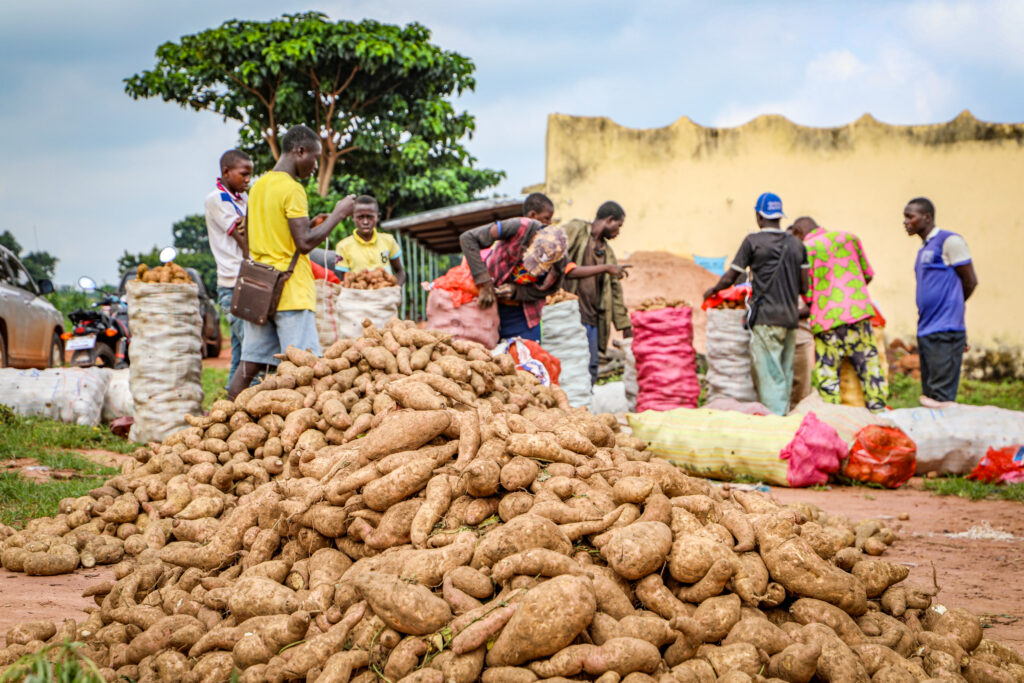
For small-scale producers, marketing remains a major challenge. When crops are ready for harvest, each producer often tries to sell on their own. Volumes are small, and their influence on the price is limited.
The Green Innovations for the Intensification of Vegetable Production project, known as IVICM, aims to change that. Implemented in Mali by Cordaid and Caritas Switzerland, in collaboration with local partner Agri-Vision Sahel, it seeks to make vegetable value chains more competitive, inclusive and resilient. Its work on marketing harvested produce has already delivered tangible results.
In April 2026, 20 producer cooperatives, wholesalers and processors began discussions to match supply with demand. The talks led to pilot sales contracts worth 235,000 euros, with 172,572 agreed in Sikasso and 62,809 in Bougouni.
‘Now, we harvest at roughly the same time and sell together. We no longer have to go out and look for buyers on our own.’
Anticipate Demand and Plan Production
The contracts also mark a change in how producers approach the market. Rather than waiting until harvest to find buyers, they can now anticipate demand and plan production accordingly.
Habi Sylla, a vegetable producer and cooperative member, has seen the difference firsthand. ‘Selling collectively is very different from selling individually,’ she says. ‘It helps us increase our income.’
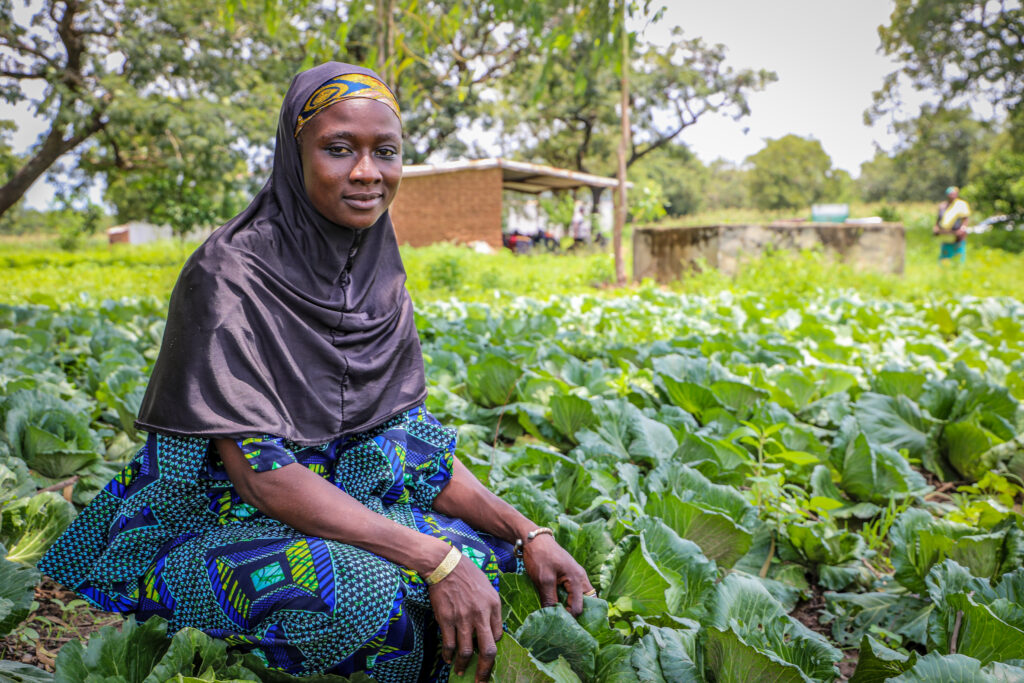
Before the project’s support, producers tended to sell individually and in a hurry. ‘As soon as we had harvested, we would rush to sell,’ says Sylla. ‘Now, we harvest at roughly the same time and sell together. We no longer have to go out and look for buyers on our own.’
Working together saves producers time and, above all, puts them in a stronger position to secure a better return on their harvests.
Fairer Terms for Small-Scale Growers
Abdoulaye Sylla, a vegetable producer and Village Agricultural Adviser in the same cooperative, points to a problem that small-scale growers know well: on their own, their volumes are rarely large enough to give them leverage in price negotiations.
‘We had noticed that those who produce large quantities find it easier to sell, whereas those who produce smaller quantities face enormous difficulties,’ he says. ‘Their produce often ends up being bought at absurdly low prices. Selling collectively is the only way we can negotiate better prices.’
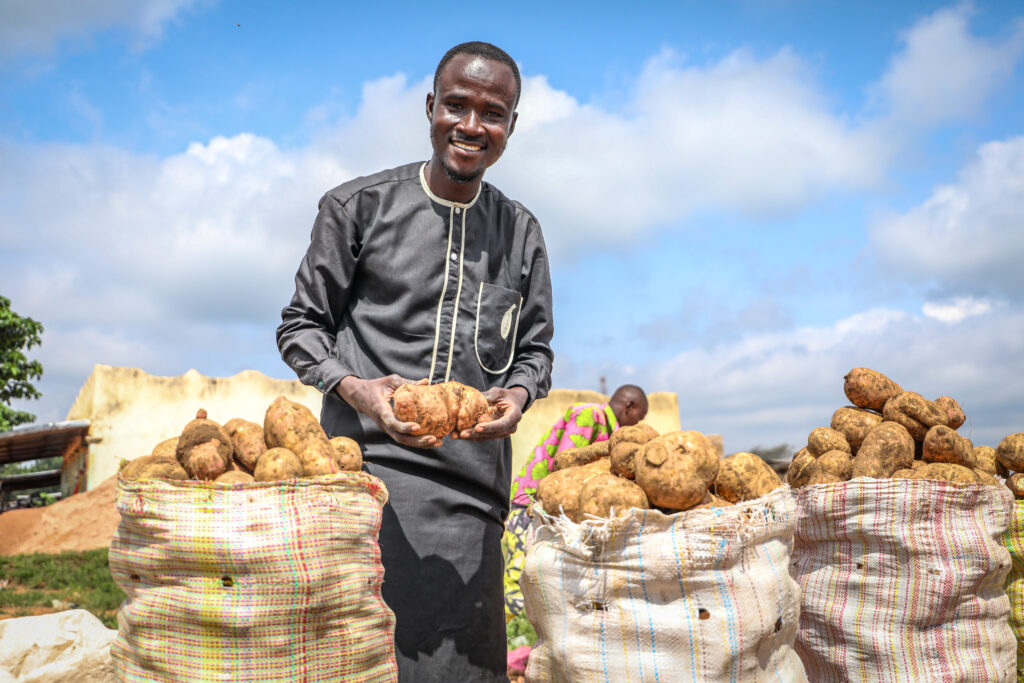
Better prices for the cooperatives are only part of the aim. The approach also seeks a more balanced relationship between producers and buyers. ‘They can now reach better agreements on quantities, quality and prices,’ he adds. ‘Both sides benefit, and we can work together over the long term.’
More Structured Commercial Relationships
With these pilot contracts, the project is laying the groundwork for more structured commercial relationships between producers and buyers in Sikasso and Bougouni. The next task for the cooperatives is to consolidate these partnerships and keep collective selling going beyond the pilot phase.