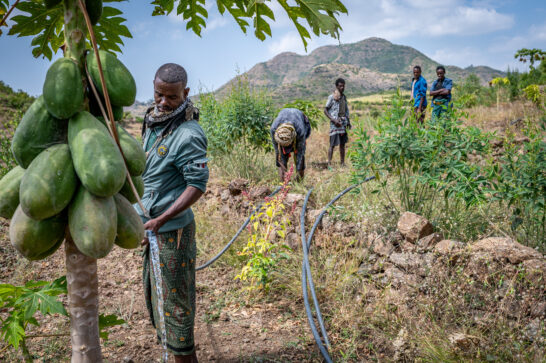
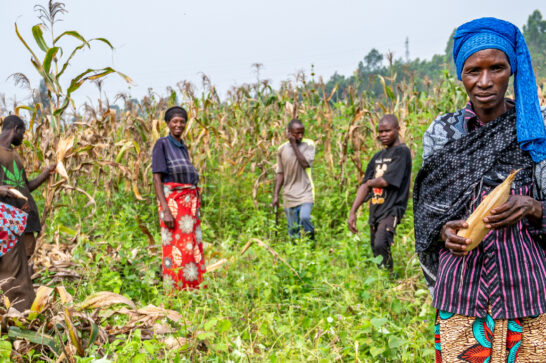
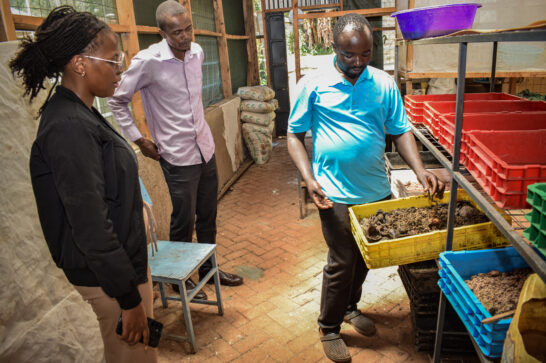
At the Africa Food Systems Forum 2026, Cordaid representatives from Rwanda, Uganda, Kenya, South Sudan and Ethiopia shared a regional ambition with practical results: stronger rural enterprises, climate resilience, inclusive finance and new opportunities for young people and women.
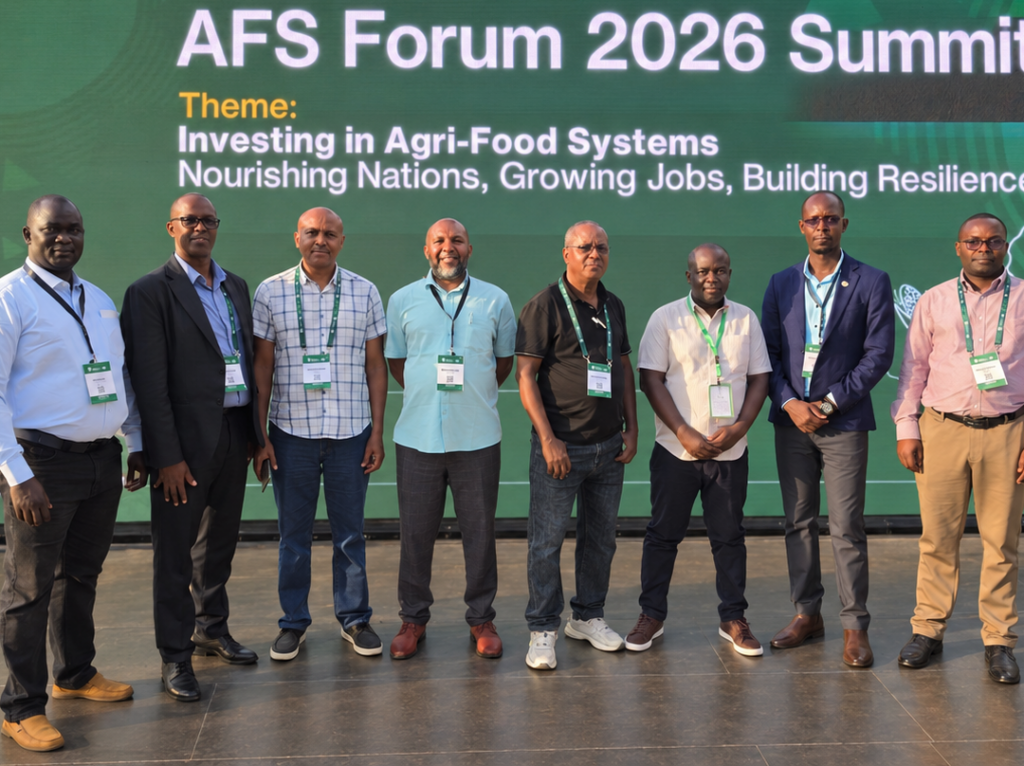
More than 5,000 participants from over 50 countries gathered last week in Kigali for the twentieth Africa Food Systems Forum. Under the theme ‘Investing in Africa’s Agri-Food Systems: Nourishing Nations, Growing Jobs, Building Resilience’, leaders from government, business, finance, research and civil society explored how investment can move beyond promises and deliver lasting results for farmers, entrepreneurs and consumers.
For Cordaid’s delegation, the Forum was both a place to learn and a place to contribute. Colleagues from five country offices brought experience from drought-prone farming regions, refugee-hosting districts, rural financial systems and communities affected by conflict.
Through the Dutch pavilion and discussions with organisations including IFAD, FAO, Equity Group and CABI, they explored how partnerships can connect local delivery capacity with finance, science, markets and public policy.
Our shared conviction: Food systems become more resilient when farmers and local enterprises can access the skills, services, finance, markets and decision-making power they need to invest in their own future.
Turning the Forum’s Themes into Results
Across Cordaid’s food systems portfolio, the priorities discussed in Kigali are already visible in practice. Cordaid works with communities, governments, businesses, financial institutions and civil society to strengthen the wider system around producers and entrepreneurs. The goal is not only to increase production, but also to create decent work, improve nutrition, restore ecosystems and build economies that can withstand climate and conflict-related shocks.
Have a look at these examples of Cordaid’s work in strengthening agri-food systems: