The double earthquake that struck northern Venezuela on the night of 24 June has claimed more than 3,300 lives. Thousands of families have been left homeless. Cordaid partner Caritas Venezuela has mobilised a nationwide network of volunteers to support survivors.
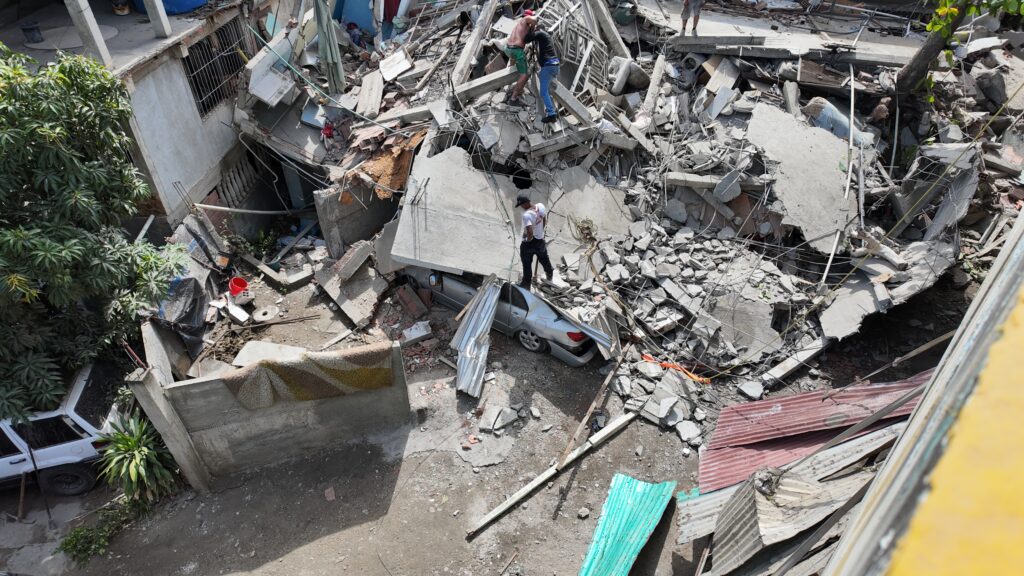
The earthquakes struck within 39 seconds of each other, at around 6.04 pm local time on 24 June, with magnitudes of 7.1 and 7.5. Both occurred at a shallow depth of just 10 kilometres, intensifying the destruction across the country’s densely populated region, including the capital, Caracas, and the coastal state of La Guaira.
The disaster is the most destructive earthquake in Venezuela’s modern history. The area lies on the boundary between the Caribbean and South American tectonic plates, long known for seismic activity. But the timing, right during the busiest hours of the day in residential and commercial areas, combined with the many older buildings not built to earthquake-resistant standards, left the population especially vulnerable.
Latin America’s Largest Humanitarian Crises
The disaster has struck a country already grappling with one of the longest and largest humanitarian crises in Latin America. More than 7.9 million people in Venezuela needed emergency assistance before the earthquake hit. Severe inflation, poor or absent public services and widespread food insecurity make daily life a constant struggle for most Venezuelans.
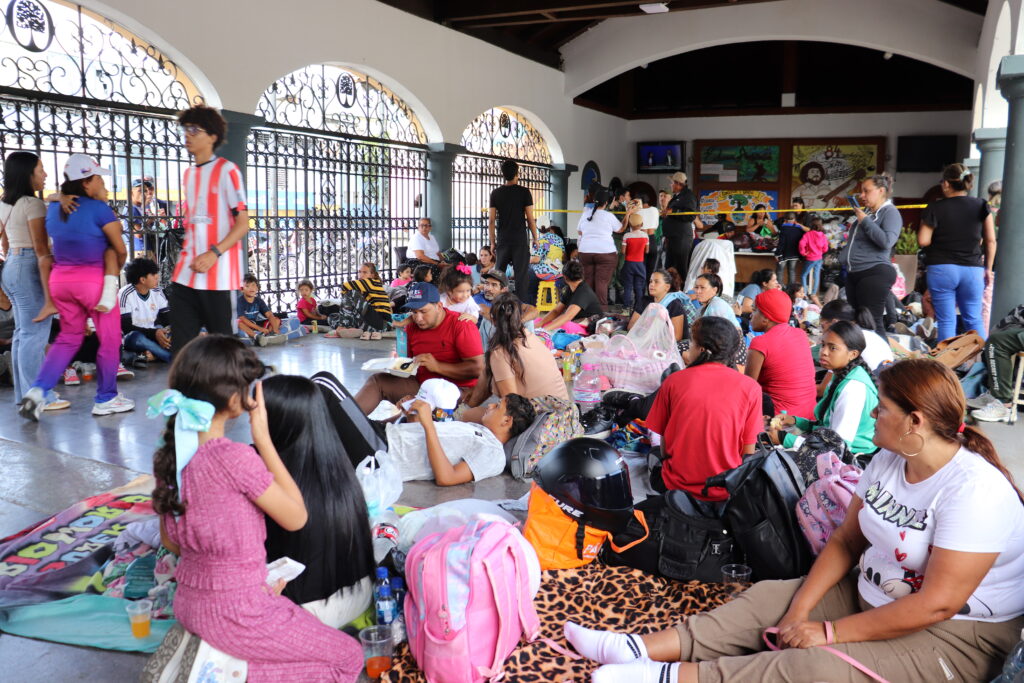
On 6 July, authorities reported 3,342 dead, 16,000 injured and 17,000 left homeless. At least 383 buildings have been destroyed, more than 150 of them in La Guaira, while in Caracas alone 1,493 infrastructure works have been damaged.
Caritas Venezuela’s Humanitarian Action
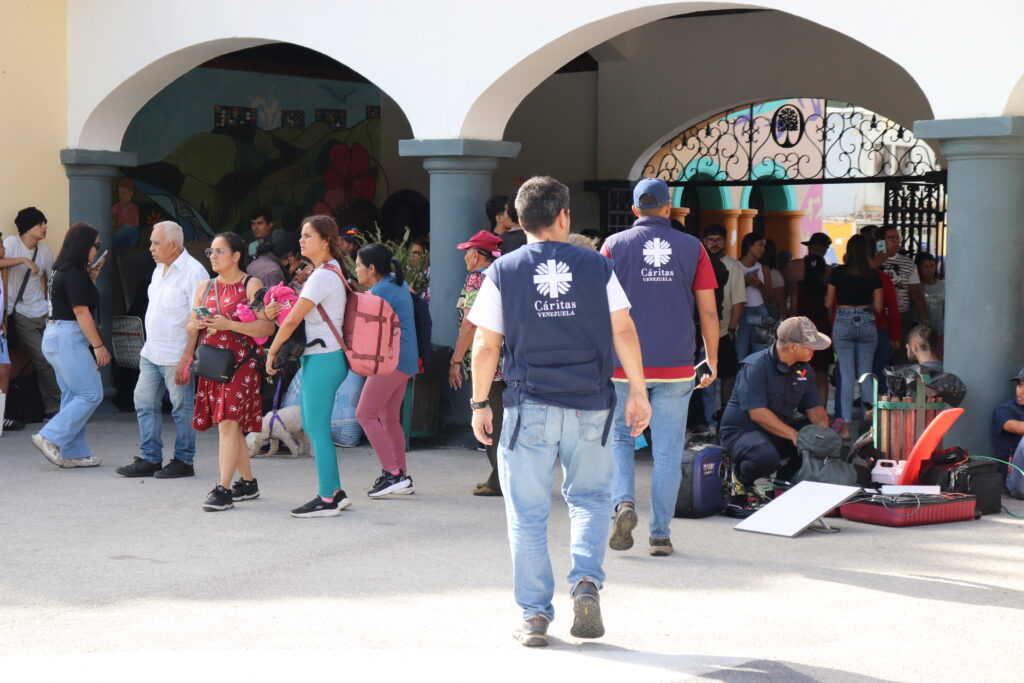
Cordaid’s local partner, Caritas Venezuela, has activated a nationwide network of collection points. Relief teams are already active in the worst-affected areas, distributing water, hygiene kits, and emergency food, and offering psychosocial support to survivors and displaced people who have taken refuge in churches that are still standing.
The organisation has considerable reach. Even before the earthquake, Caritas Venezuela was supporting more than 60,000 households in vulnerable situations across 15 states, through projects covering food, income, safe drinking water and psychosocial care. The organisation counts around 30,000 volunteers and maintains a presence in remote communities that official aid services often struggle to reach.
The first 72 hours are critical for finding survivors still trapped beneath the rubble. According to the organisation, search-and-rescue operations, debris clearance, and emergency medical care are the highest priorities, alongside structural inspections to determine which buildings remain safe to inhabit.
Shelter, Essential Supplies and Psychosocial Support
Beyond the immediate emergency response, Caritas Venezuela sees a growing need for shelter that is expected to last for months, since many damaged buildings will never be habitable again.
Bottled water, water purification tablets and non-perishable food remain scarce, as do medicines and hygiene kits for displaced families now staying in churches, schools and stadiums converted into temporary shelters.
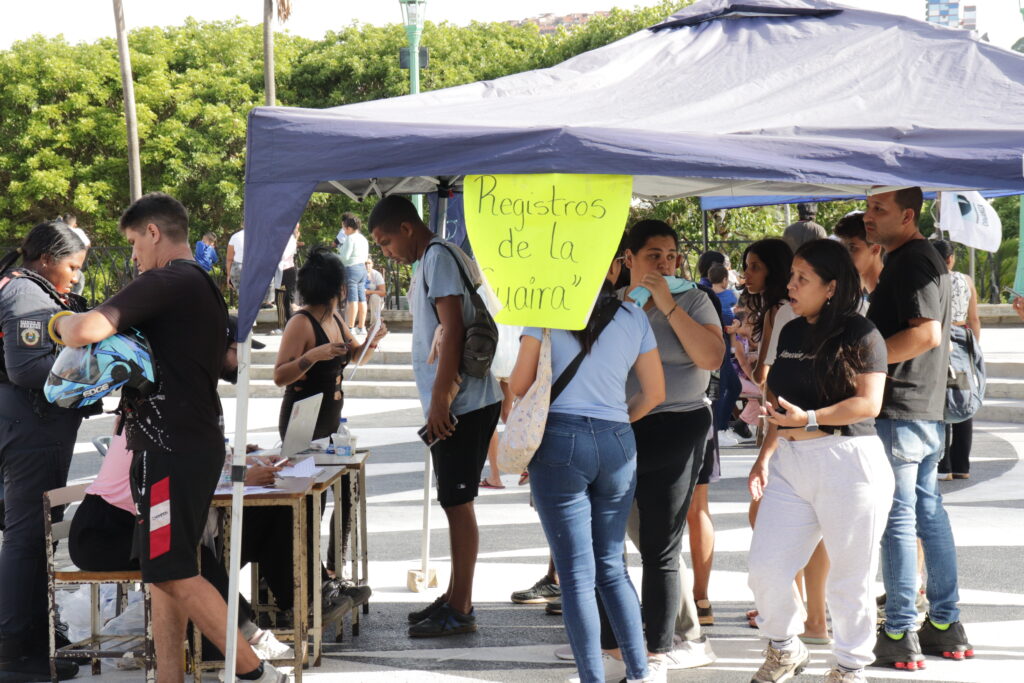
The organisation also warns of an emerging mental health crisis, as survivors confront the trauma of losing their homes and loved ones. There is particular concern for children separated from their families, older people, people with disabilities and pregnant women.
In the coming weeks, Caritas Venezuela aims to move from emergency relief towards a broader, longer-term recovery programme, including housing and the restoration of livelihoods for those who have lost everything.
For now, though, the focus remains on the first line of emergency aid: finding survivors, treating the injured and providing clean water, food and shelter to families who have lost everything overnight.