While numerous health policy reforms have borne fruit, the quality of health services in Burundi remains seriously compromised. Crucial elements for ensuring safe, high-quality care, such as infrastructure, water and sanitation services, and energy, are being undermined by climate change. To address these challenges, Cordaid Burundi launched the Green PBF project and rehabilitated the Nyangungu health centre.
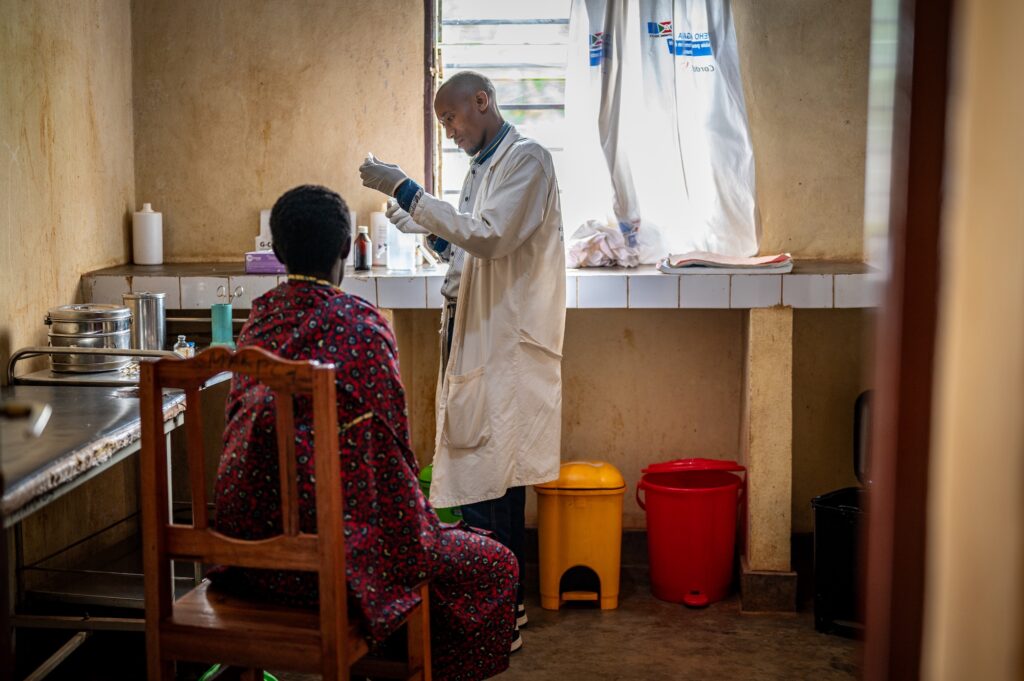
The facility, located in Gitega, the heart of Burundi, is a striking example of the devastation climate change can inflict on health systems. The building was destroyed by high winds, leaving the centre and its staff unable to provide their life-saving care to the community.
The head of this health centre states that ‘before the project, to address the water shortage, the health centre had to hire someone to fetch water from rivers. However, this water was unsafe and insufficient to maintain proper hygiene at the health centre, thereby increasing the risk of contracting diseases caused by poor sanitation.’
Focus on Climate Change
The Green PBF project is based on the performance-based financing (PBF) approach, this time with a focus on the resilience of health facilities to the effects of climate change.
To improve the community’s health, the project focuses on improving indicators that directly affect communities, such as access to water in health facilities, enabling patients, especially mothers who visit these facilities, to maintain good hygiene. The project also promotes the maintenance of water points across all departments, particularly in critical areas such as restrooms, patient dining halls, and various rooms.
Watch this short documentary about the Green PBF project and the rehabilitation of the Nyangungu health centre:
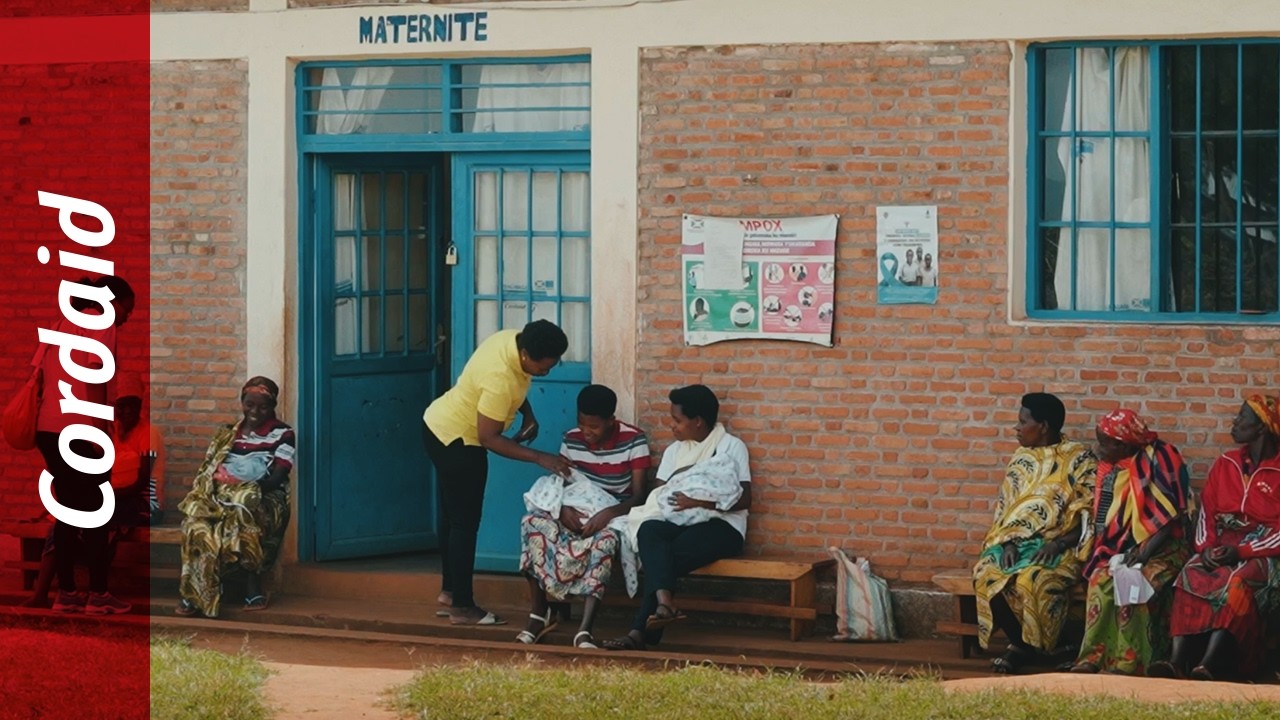
Essential Water Storage: 40,000 Litres for 3 Months
Beyond this rehabilitation, Nyangungu has been equipped with rainwater harvesting systems capable of storing 40,000 litres, ensuring the facility’s continuous operation for an estimated 3 months.
A mother visiting the health centre said, ‘In the past, when the facility had problems accessing water, it was hard because you had to bring your own water when you came here to give birth.’
Other health facilities have received similar support, including the Nzove Health Centre, which also received a rainwater collection, storage, and distribution system with a capacity of 40,000 litres. The Giheta Municipal Hospital received an emergency water storage system with a capacity of 10,000 litres.
The renovation of the Nyangungu facility building will enable services to be delivered under better conditions, in a safer, more suitable manner, to meet patients’ needs.
Modern water collection systems will help ensure better water availability, particularly during periods of scarcity, and improve hygiene and sanitation.
Green Plans
Furthermore, thanks to the performance-based financing approach, the targeted health centres have developed green plans. When health facilities meet the criteria set out in their contracts, they generate revenue that can be reinvested to strengthen their resilience to climate-related challenges, thereby preventing disease and ensuring continuity of care for communities.
Beyond infrastructure, this project reflects a collective commitment to a health system that is more resilient, more sustainable, and better prepared for the effects of climate change. The project is also developing indicators for medical waste management to help health centres reduce the spread of disease among patients using their services.