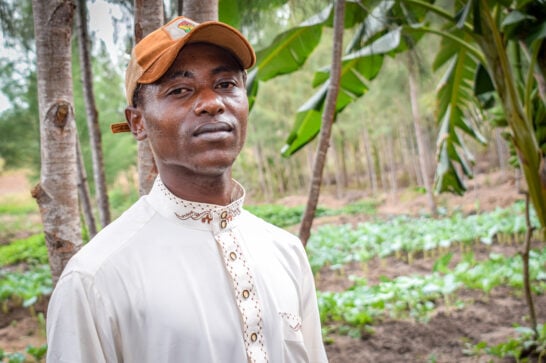
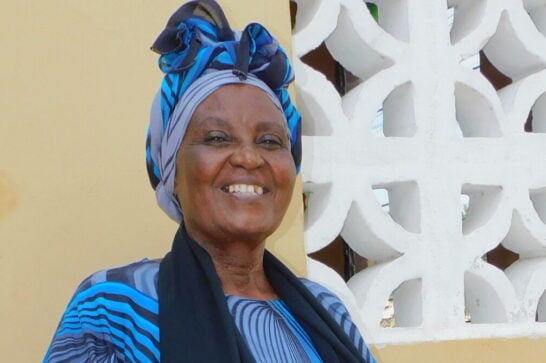
For decades, development organisations working alongside governments and local communities have helped fill gaps in public services and respond to what communities actually need. But when it comes to designing projects and tracking their impact, communities themselves have rarely been at the centre of the process.
There’s a paradox: we say we’re here to serve the people, yet we judge our own success using frameworks created by outside experts, rigid checklists, and numbers on a spreadsheet.
Messy, Real Human Change
Too often, this approach treats people as data, rather than partners. It squeezes messy, real human change into simple “yes/no” boxes. And because most evaluations happen at the end of a project, the findings often arrive too late to actually help us adjust or improve our work while it’s still running.
Recognising this, Cordaid and its Shared Futures consortium partners piloted a radical alternative: the Most Significant Change (MSC) approach combined with Participatory Videos (PV), with support from partner Kerk in Actie.
The results offer a clear lesson: when communities lead the action, evidence becomes more authentic, programmes become more adaptive, and power shifts from the office to the project locations and local communities we serve.
The approach is innovative, respectful and treats beneficiaries as empowered clients, not passive recipients.
Coastal Kenya, Under Pressure
Kenya’s South Coast is home to culturally rich communities whose identities have been shaped by centuries of interaction between the African, Arab, and Swahili cultures. White sandy beaches give way to coral hills and the rugged hinterlands of Kwale County, dotted with coconut and palm groves, baobab trees, rich coastal biodiversity, and the sacred Kaya forests of the Mijikenda people.
Livelihoods here run on tourism, fishing, small farms and trade. Yet land disputes, climate pressure and youth unemployment are straining the ties that hold communities together, feeding the interfaith and inter-communal tension that can tip into violence. It is exactly the kind of setting where a survey arriving late in a project changes nothing.
However, strong traditions of community dialogue, respect for elders and religious leaders, and collective action provide a foundation for locally led solutions through Cordaid’s Shared Futures Project. This makes the South Coast an important setting for the MSC-PV approach, enabling communities to document their experiences, define what change means to them, and lead pathways towards peaceful coexistence and resilient futures.
Passing The Mic
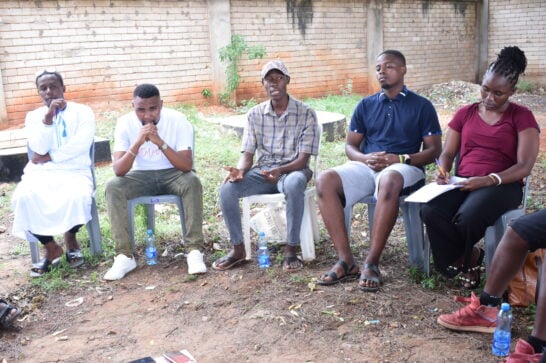
In 2024, representatives from the Shared Futures Consortium led by Cordaid received training by InsightShare (UK) as local MSC-PV facilitators in Kwale County. The methodology is disarmingly simple. Instead of deploying external enumerators after training, the facilitators invite community members to create story circles and respond to a single, open-ended prompt (the MSC question), allowing each participant to share their own story of change: ‘What has been the most significant change in your life, your family, and your community over the past year?’
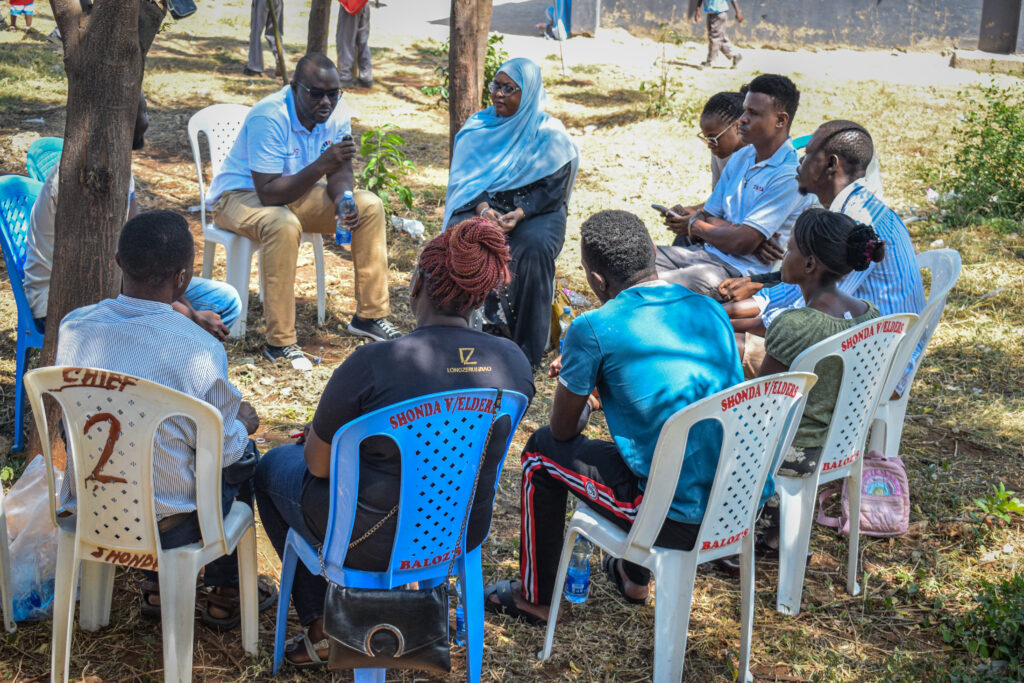
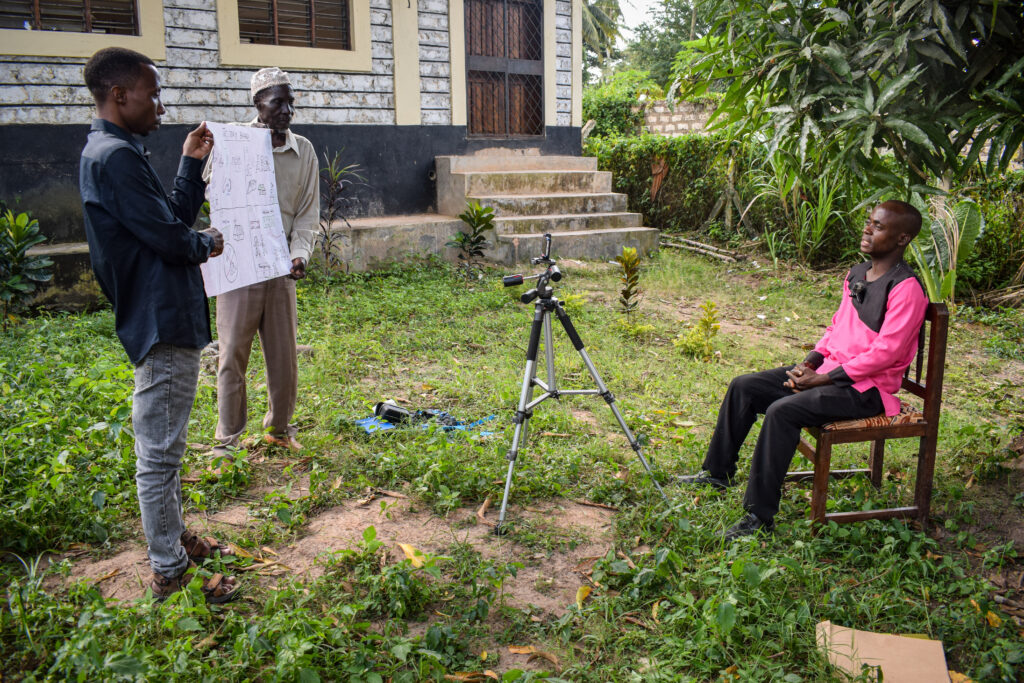
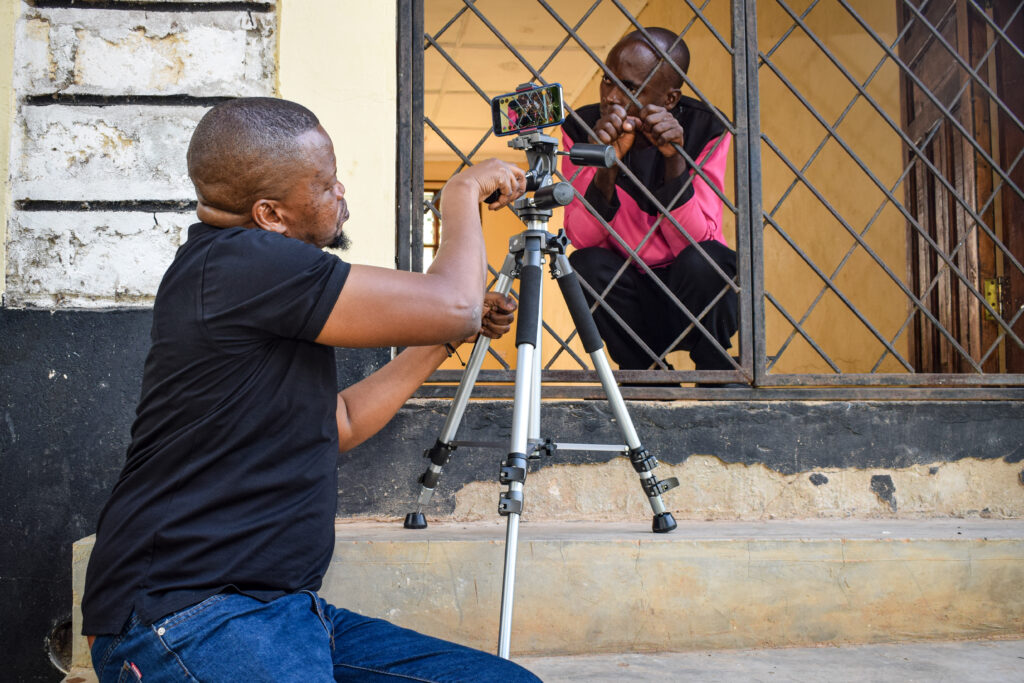
After going around the circle, they develop their own selection criteria to highlight emerging issues and change, including resilience, improved mental wellbeing, economic empowerment, peace, interfaith coexistence, and sustainability. They vote collectively on which story best represents meaningful transformation. Participants are then engaged in a creative exercise to co-create visual narratives and skits that preserve their authentic voices and lived experience using River of Life and Storyboards. Participants are then given video cameras. They film their own stories.
The result is not a bureaucratic report. It is a co-created archive of lived experiences, embodied in powerful video stories that capture the nuance of change in ways that Likert scales never can. These stories are evidence of enriching, contextual, and actionable experiences. They reveal that the greatest enablers of change are not top-down interventions, but peer support, organised group structures, and restoring human dignity.
Watch the video stories as part of the Most Significant Change approach within the Shared Futures programme:

Screening as Accountability
Perhaps the most transformative moment came during community screening. At least forty participants, including youth, religious leaders, and public duty bearers, gather to watch the videos at each screening. Curiosity fills the room as the team sets up the equipment, and excitement becomes palpable as the screens come to life. When people see their own neighbours on screen, they discuss, debate, and select their ‘most significant change story’ using criteria they developed themselves. As well as active economic strategising. It becomes a community event.
The screening process serves as a real-time accountability mechanism. Communities highlight what is working, what is not, and what requires adaptation, all while maintaining ownership of the narrative. Emerging issues become visible before the project ends. Unexpected outcomes are identified and learnings documented.
Stop extracting. Start listening. Let the community lead.
For policy makers, this represents a shift from retrospective evaluation to continuous learning. It aligns with the growing demand for locally led development and adaptive management. It also addresses a persistent critique of Monitoring and Evaluation approaches that primarily serve donor reporting requirements rather than community empowerment.
From Subjects to Storytellers
What we have learned in Coastal Kenya is simple, yet profound: the people most affected by change are best placed to define, measure, and share it. The approach is innovative and respectful, treating beneficiaries as empowered clients, rather than passive recipients. It recognises that meaningful monitoring and evaluation is not about checking boxes. It amplifies authentic voices with agency and dignity.
When young people like Juma, Dola, and Ramadhan tell their own stories, they inspire others. They create a ripple effect that no project report can capture. Stop extracting. Start listening. Let the community lead.
The most significant change may not be what project designers or implementers perceive, but what the community considers most significant. This approach offers a significant opportunity for strengthening fragility programming, particularly in conflict-prone settings where interventions need to be deeply grounded in local cultures, histories, and community realities.
About the Shared Futures Project
Shared Futures addresses the root causes of violent extremism in Coastal Kenya by promoting interfaith coexistence and youth economic empowerment, guided by context analysis and complemented by lobbying and advocacy.
The project fosters peaceful coexistence through interfaith forums, parent dialogues, sports, and creative platforms such as radio, podcasts, theatre, and art. It also empowers youth with business skills and market linkages, while engaging policymakers and civil society to strengthen policies that support interfaith cooperation.
The project uses participatory approaches, including participatory videos and staff diaries, as both implementation and evaluation tools. Now in its third phase, the project is implemented by a consortium of five organisations led by Cordaid and supported by Kerk in Actie.
It is currently active in Kwale and Mombasa Counties, building on gains from Phase Two—Youth Leading the Way to Peaceful Interfaith Coexistence (March 2022–June 2024) in Mombasa, Kwale, and Tana River—and the pilot phase, Shared Futures – Together for Good in Kenya, which concluded in 2020.
The project is implemented by a consortium of five organisations led by Cordaid, with support from Kerk in Actie, and carried out by Anglican Development Services Pwani, Samba Sports, Africa Youth Trust, and Jamii Action Centre.
This article is written by Fredrick Owino, Monitoring, Evaluation and Communications Officer for Cordaid Kenya.