Obstetric fistula is one of South Sudan’s most serious maternal health challenges. A campaign run by Cordaid with the Ministry of Health, supported by UNFPA, brought together mobilisers, drivers, nurses, anaesthetists and surgeons across some of the most flood-affected areas of Unity State, offering treatment to women who had long believed it was out of reach.
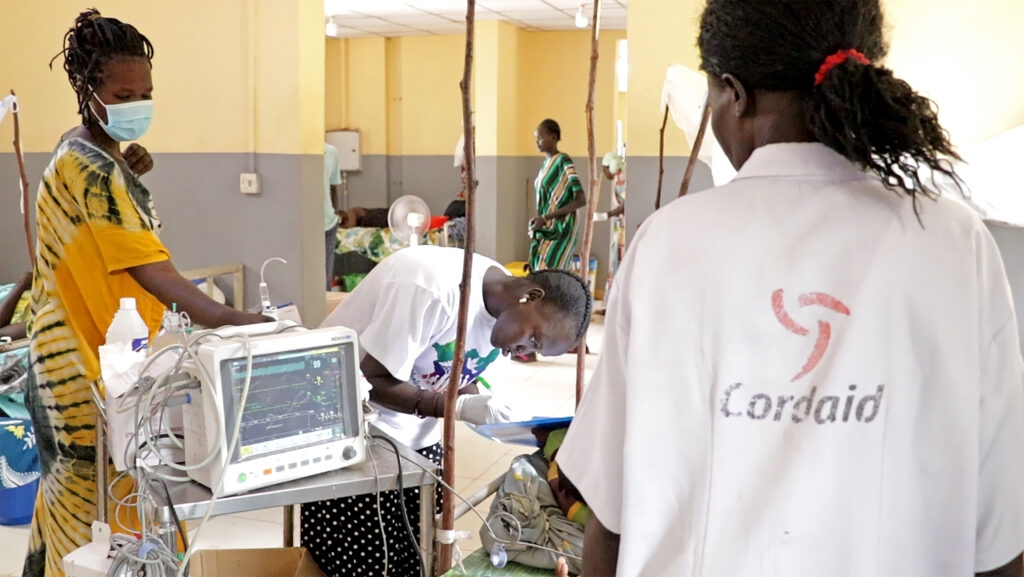
At Bentiu State Hospital, 30 women have undergone successful surgery to repair obstetric fistula, a childbirth injury that has left tens of thousands of women across South Sudan living in pain, shame and isolation.
An estimated 60,000 women live with the condition, which in many communities is still mistaken for a curse rather than recognised as a treatable injury. As a result, many women spend years withdrawn from family and community life, convinced that no help exists.
Watch this documentary about Cordaid South Sudan’s obstetric fistula campaign:
From Village to Village
Reaching them begins long before anyone steps into an operating theatre. Community mobilisers, led by the South Sudan Nurses and Midwives Association (SNAMA), travelled from village to village explaining that fistula can be treated and encouraging survivors to come forward. They spoke directly with families and identified women who had suffered quietly for years, often in places where recovery had once seemed impossible.
Getting those women to the hospital was a challenge in itself. Drivers navigated damaged roads and flooded terrain to reach patients in Panyjiiar, Leer, Mayom, Koch, and Guit counties, sometimes spending nights in remote areas along the way. Heavy flooding across Unity State had cut off many of the usual routes, but the transport teams pressed on regardless.
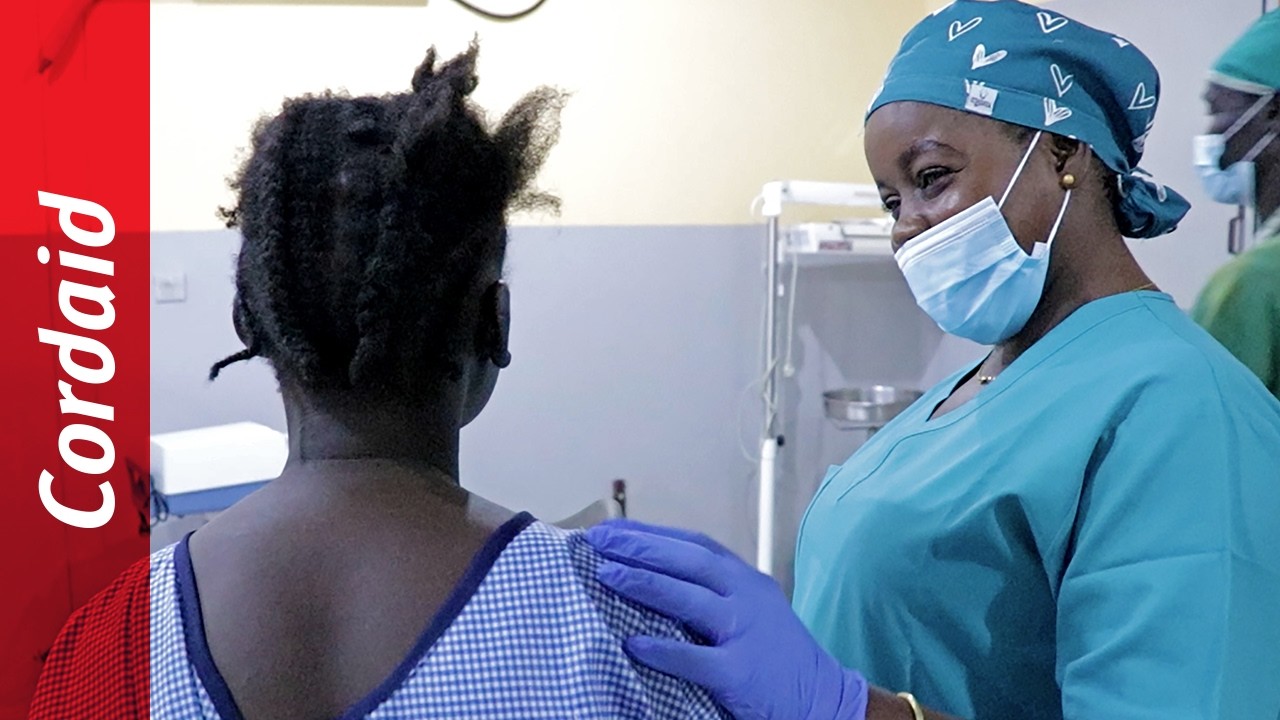
‘Our role is not only to make surgery painless, but to help restore their dignity and bring back their smiles.’
Collaboration at the Heart of the Campaign’s Success
At the hospital, every department played its part. Nurses prepared patients for surgery and cared for them afterwards. Anaesthetists managed each procedure safely, nurses supported surgeons throughout every operation, and cleaners kept the areas safe and hygienic. Surgeons repaired the physical injuries, but each woman’s recovery depended on all these roles working in concert.
‘These women have lived through pain and stigma,’ said Irene Luka Drani, consultant anaesthetist at Bentiu State Hospital. ‘Our role is not only to make surgery painless, but to help restore their dignity and bring back their smiles.’
Rebecca Nyejal, one of the women treated during the campaign, now plans to carry that message home. ‘I came to Bentiu suffering from fistula, but now, after the operation, I am well,’ she said. ‘When I return home, I will tell other women that fistula can be treated, and encourage them to seek care.’
Thirty Healed, Thousands Still Waiting
The campaign’s broader aim is to reduce South Sudan’s fistula caseload through treatment, prevention, reintegration support for survivors, stronger health systems, and ongoing training for healthcare workers.
Women who once lived with constant pain and social exclusion can now return home with their dignity restored. Many will reconnect with families and communities and resume daily life with renewed confidence.
The Bentiu campaign shows what partners, health workers and communities can achieve when they work together. From village visits and long drives across flooded roads to hours spent in surgery and quieter acts of patient care, the outcome is clear: 30 women were treated, and more women in surrounding communities now know that treatment for fistula exists.
Sustained investment in awareness, prevention and maternal health services will be needed to reach the tens of thousands of women across South Sudan who are still living with fistula.