Years of recurring drought, degraded soils, and harsh terrain made farming in Ethiopia’s Argoba District increasingly unreliable. Conflict further disrupted markets and livelihoods, leaving migration as the only option for many young people. Cordaid Ethiopia’s Food Security and Resilience Building project is offering a viable alternative.
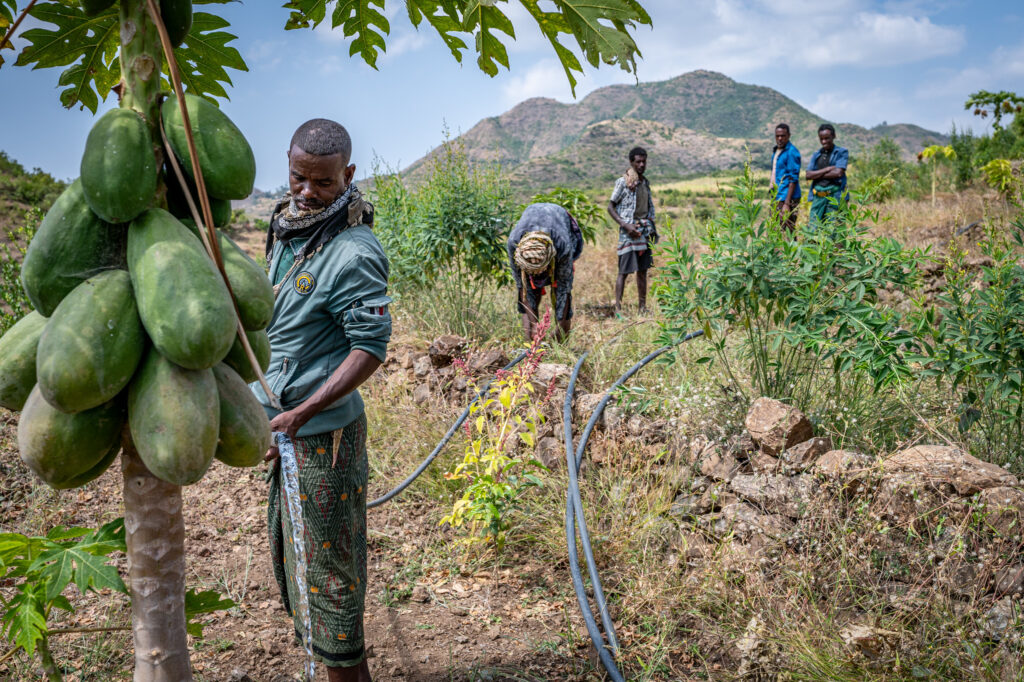
The journeys were long and dangerous. Saudi Arabia, Djibouti and other destinations promised work, but the reality was often brutal. Many travelled on foot across deserts and frontlines of conflict-affected areas in Ethiopia and Yemen, putting their lives in great danger before ever even reaching a border.
Mohammed Endris, now 33, still lowers his voice when he talks about his experiences. ‘We walked for an entire month to reach Saudi Arabia,’ he says quietly. ‘When we arrived at the border, the guards opened fire. Some of my friends were killed.’ Those who did manage to cross found little relief either. ‘The police chased us constantly. We were not treated like human beings.’
Alone in the Desert
Others share similar experiences. Jamal Ahmed Ali, also 33 years old, spent three years living and working illegally in Saudi Arabia. ‘We were completely alone in the desert,’ he recalls. ‘If you became ill, no one helped you. If you went into the city, the police arrested you. I would never advise anyone to migrate.’
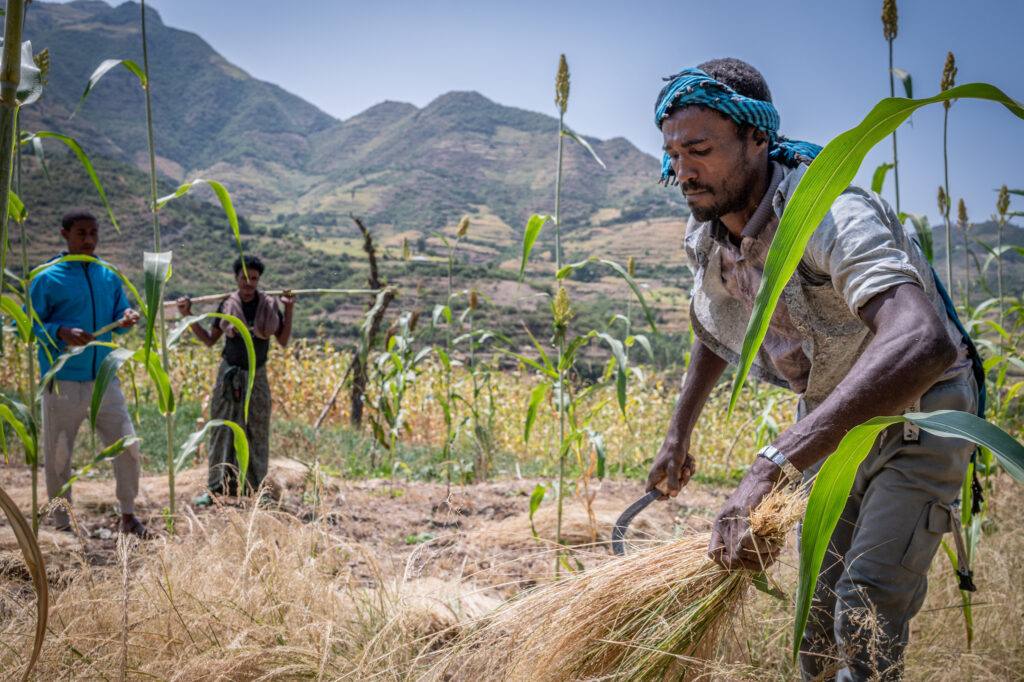
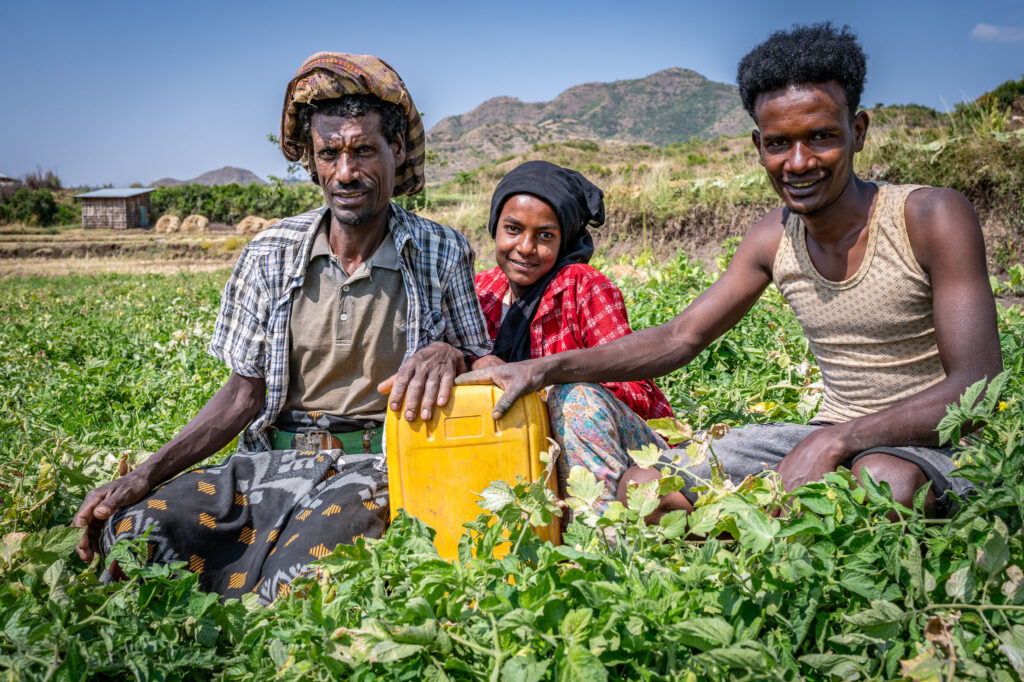
Back home, families waited in uncertainty. Ahmed Hassan, a farmer and father of nine, watched his son leave to seek work. ‘Being separated from your family is very painful,’ he says. His son Mohammed remembers months of hunger and homelessness. ‘I suffered greatly,’ he says. ‘I was starving and facing so many problems.’
Women also left. Zahara Dawud (35) migrated to Djibouti to work as a housemaid. ‘The hardest part was the journey,’ she says. ‘We travelled for many days without water or transport.’ Although she eventually found a supportive employer, the experience left a lasting mark.
A Familiar Figure
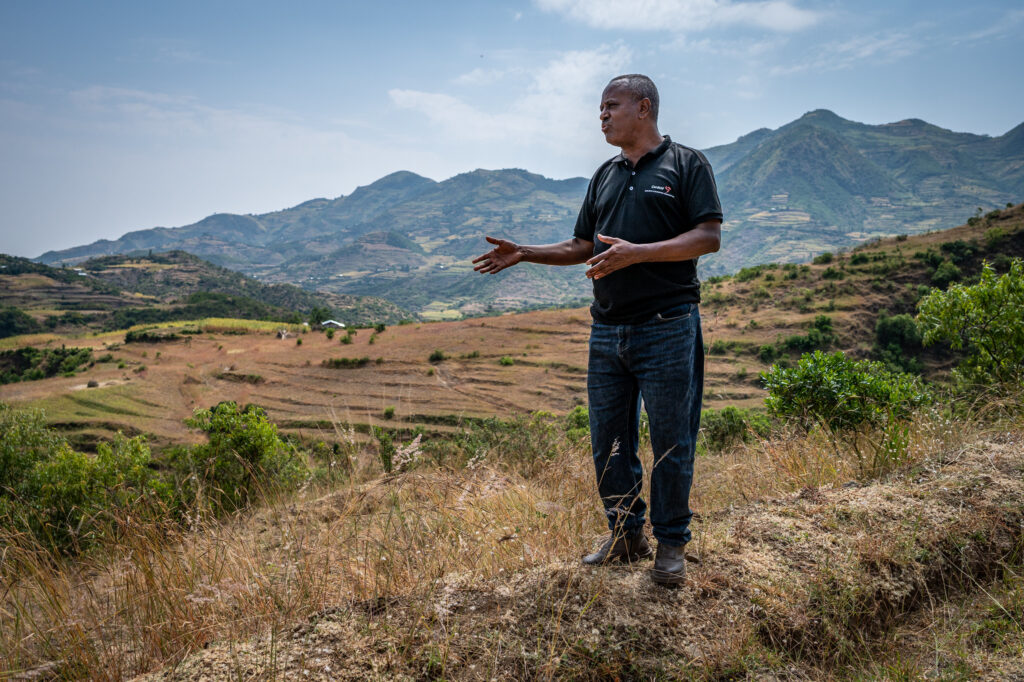
In Medina, the largest town in Argoba District, Teklebirhan Hailu Beyene walks through the main street, greeting everyone he sees by name. Although he lives 400 kilometres away, in the capital, Addis Ababa, the project coordinator often visits the programme locations in Argoba and has built trust by listening closely to the needs of the predominantly Islamic community in the northern Amhara region.
‘Drought, conflict, animal diseases and natural resource degradation are major hazards here,’ he explains. ‘People have been struggling to survive in this rugged landscape, which is why so many young people migrated.’
Cordaid’s response began with a practical observation. The community had land, labour and fertile soil, but little access to water.
‘Irrigation was one of the key components of our intervention,’ says Teklebirhan. By diverting water from rivers and streams, using high-density polyethylene (HDPE) pipes, water can be brought directly to homesteads and farmland through a gravity-fed system, without fuel, high operating costs, or complex maintenance. This system minimises water loss and is well-suited to remote, rural, or off-grid locations, ensuring a consistent water supply for farming and households.
The effect was immediate. Fields that once produced a single harvest per year could now be cultivated two or even three times.
Watch this documentary about the Food Security and Resilience Building project in Argoba:

Rebuilding Livelihoods
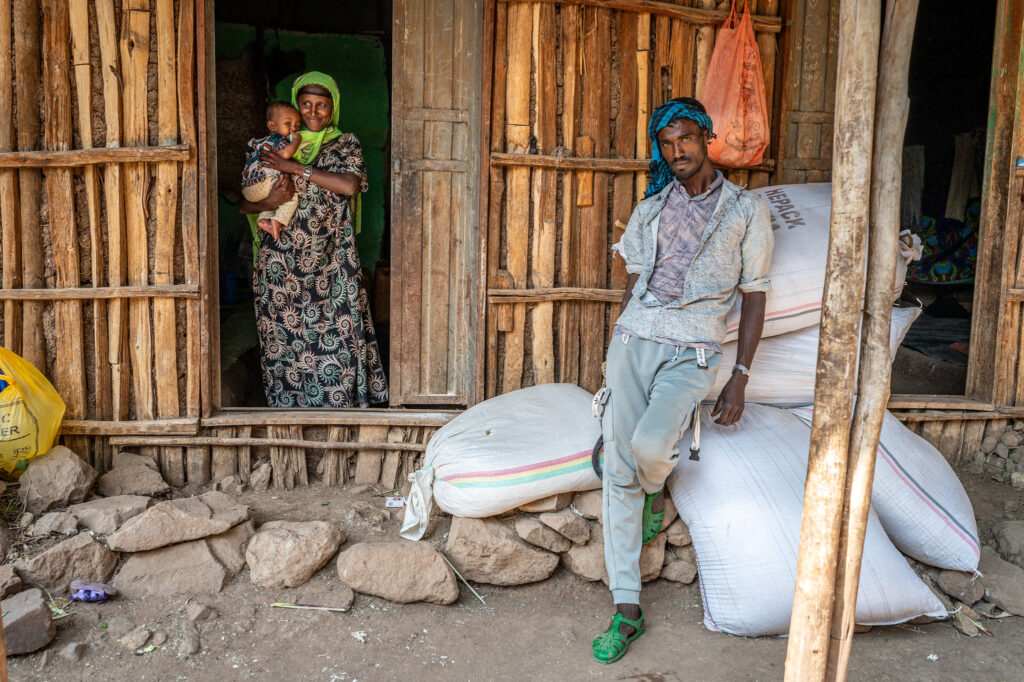
Farmers received drought-tolerant and improved crop varieties, along with climate-smart agricultural training, including agroforestry and organic farming practices. Improved storage bags reduced post-harvest losses, enabling families to preserve their harvest and sell produce at times when market prices are more favourable.
Livestock productivity increased due to improved animal husbandry practices, including enhanced animal health care, increased availability of quality feed through improved fodder production, and rangeland rehabilitation.
‘Before, we harvested only once a year. Now two or even three times.’
Poultry production, beekeeping and small-scale enterprises opened up additional income streams. Access to credit through farmers’ associations further strengthened the financial opportunities and stability.
When Jamal returned home after being deported, he discovered that the circumstances had changed. ‘The irrigation system was new to me,’ he says. ‘But I started using it immediately.’ He began cultivating onions and tomatoes and gradually expanded his irrigation network. ‘Before, we harvested only once a year. Now two or even three times.’
For Ahmed Hassan’s family, the change was decisive. As new opportunities emerged, he called his son home. ‘When he returned, we celebrated,’ he says. ‘There is dignity in working on your own land.’ Today, the family sustains itself through farming and livestock. ‘For us farmers, livestock is our bank,’ Ahmed explains. ‘We can cover our costs, and it makes us feel confident about the future.’
Lasting Impact
Clean energy has brought less visible but significant improvements. Households supported with biogas installations now turn cattle manure into fuel for cooking and lighting. ‘Before, we cooked with firewood, and there was a lot of smoke,’ says Sheh Mohammed Mekin Yusuf. ‘Now we use a modern, smokeless stove. It is a major improvement.’
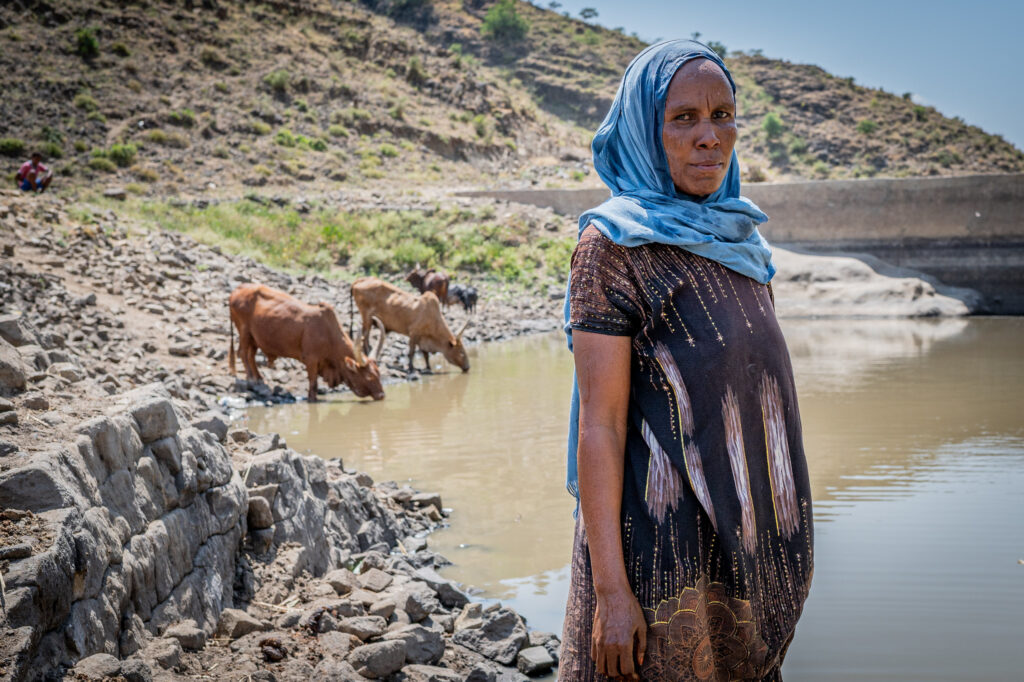
Women have benefited in particular from the project’s focus on economic empowerment. After returning from Djibouti, Zahara joined a local initiative and accessed a small loan to start her own business. ‘It has been successful and profitable,’ she says. ‘I have already repaid the loan.’ Today, all five of her children are enrolled in school. ‘Even without support from an NGO, I can sustain and expand my business.’
Her advice to young people is unequivocal: ‘If you have the opportunity to work your own land, it is far better to stay than to suffer in another country.’
Fewer Conflicts, Less Migration
The project also addressed conflicts over land and water, important drivers of local instability. Training in conflict prevention, mediation and early warning systems brought together local officials, elders and peace committees.
Dialogue among the Argoba, Afar, and neighbouring communities helped rebuild trust and revive traditional conflict-resolution mechanisms, thereby enhancing peaceful coexistence.
The results are tangible. Over the past six years, more than 20,000 people have benefited from Cordaid’s interventions. Farmers now harvest up to three times a year. Youth involvement in conflict has declined sharply, and migration has almost come to a halt.
‘Seeing this change makes me very happy,’ says Teklebirhan. ‘It is clear that livelihoods are improving.’
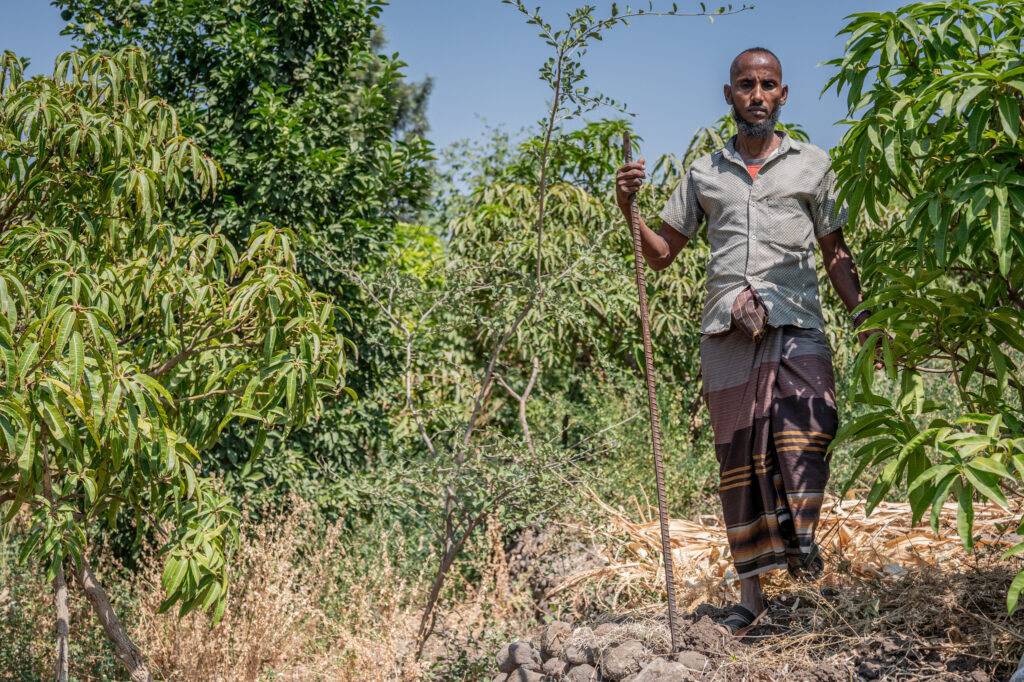
For Mohammed Endris, the impact is personal. Back on his land, he now grows papaya, mango and watermelon, and dreams of exporting fruit one day. ‘I will never migrate again,’ he says. ‘I believe our country can become prosperous.’
The Food Security and Resilience Building Project in Argoba was made possible through funding from Bread for the World (Brot für die Welt), with support from the Argoba Woreda Agricultural Development Office and the Woreda Administration. Cordaid Ethiopia expresses its sincere appreciation for the constructive cooperation and commitment that contributed to the successful implementation of the project.