WHAT WE DO IN HAITI
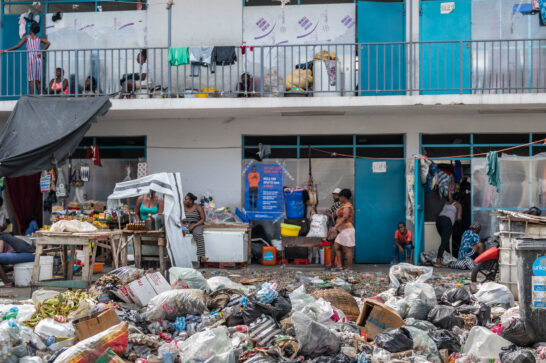
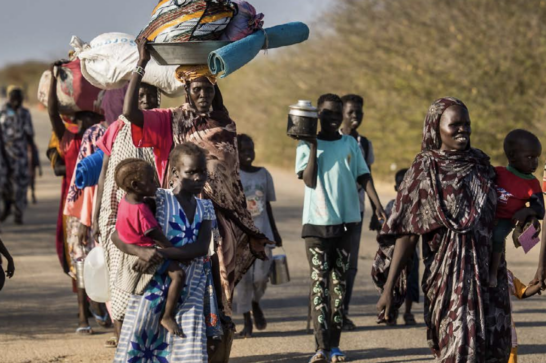
Cordaid supports humanitarian responses that focus on immediate assistance delivered through a localisation approach. Current interventions focus on internally displaced people fleeing gang violence in Port-au-Prince and communities impacted by the 2025 hurricane in the Sud department.
All projects are implemented in partnership with Christian Aid and local organisations, including Haiti Survie and Konbit pou Ranfose Aksyon Lakay (KORAL). Community participation, protection mainstreaming, and accountability to affected populations are integrated throughout.
Supporting Internally Displaced People in Port-au-Prince
This project responds to people arriving in the Port-au-Prince metropolitan area following escalating violence. The project is implemented by Christian Aid through its local partner, Haiti Survie.
The intervention targets displaced households living in three formal sites and focuses on:
- Water, sanitation and hygiene support, including the distribution of safe drinking water and hygiene kits.
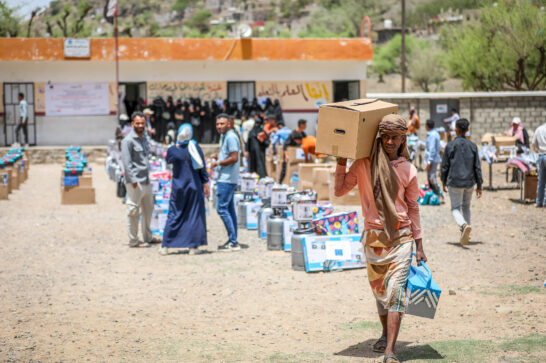
- Multi-purpose cash assistance delivered through secure mobile money platforms, enabling families to meet urgent food and non-food needs.
- Shelter activities, including shelter reinforcement using tarpaulins following storm damage.
During the initial implementation period, the project exceeded its planned reach. Strong coordination with site management committees has been central to effective targeting, accountability and security. The project operates in a highly volatile environment characterised by insecurity, flooding and extreme heat, requiring continuous adaptation.
Responding to Hurricane Victims in Southern Haiti
A second project, funded by the Dutch Relief Alliance, a coalition of 14 Dutch humanitarian organisations that work in partnership with the Netherlands’ Ministry of Foreign Affairs and many local organisations, addresses the impact of Hurricane Melissa (October 2025) in Haiti’s Sud department. The hurricane caused widespread flooding, damaged homes and water systems, and significantly worsened food insecurity across rural communities.
This response is delivered in partnership with Christian Aid, Haiti Survie and KORAL, and focuses on an integrated, multi-sectoral approach that includes:
- Multi-purpose cash assistance to help affected families cover essential needs and reduce negative coping strategies.
- Water, sanitation and hygiene activities, including hygiene kit distribution, hygiene promotion, and cholera awareness.
- Rehabilitation of damaged community water systems.
- Protection is mainstreamed across all activities, with attention to gender-based violence and safeguarding.
The project targets communities in Camp-Perrin, Les Cayes, Torbeck, Côteaux, and Chardonnières and is coordinated with local authorities and humanitarian clusters to avoid duplication and address identified gaps.
Partnership and Local Leadership
Cordaid’s work in Haiti is grounded in strong partnerships with national and local actors. Haiti Survie and KORAL bring extensive local knowledge, established community networks, and long-standing experience in humanitarian response. Local site management committees and civil protection agents play a key role in needs identification, implementation, monitoring, and security.
Through shared decision-making, capacity strengthening, and resource transfer, these partnerships support local leadership and more accountable, context-sensitive humanitarian action.
Accountability and Humanitarian Standards
All interventions adhere to recognised humanitarian standards, including the Core Humanitarian Standard and Sphere Standards. Transparency, community participation, and feedback mechanisms are embedded through community consultations, sealed distribution systems, mobile communication channels and post-distribution monitoring.
Protection, including the prevention of sexual exploitation and abuse, is mainstreamed throughout. Special attention is given to the needs of women, children, older people and persons with disabilities.
Haiti’s crisis remains highly dynamic, with insecurity, displacement and climate shocks continuing to evolve. Cordaid and its partners will maintain a flexible, adaptive approach, informed by community feedback and coordination with other humanitarian actors, to ensure that assistance remains relevant, safe, and effective for the people most affected by the crisis.