Skip to content

Four Years of War in Ukraine: Support Fades as Humanitarian Crisis Deepens

Humanitarian assistance
Ukraine -

Next week marks four years since the escalation of the war in Ukraine. The humanitarian situation has never been more acute. During the coldest winter in years, millions of Ukrainians are coping without heating or electricity. According to Cordaid’s local partners, Caritas Ukraine and Caritas-Spes, needs are increasing rapidly.
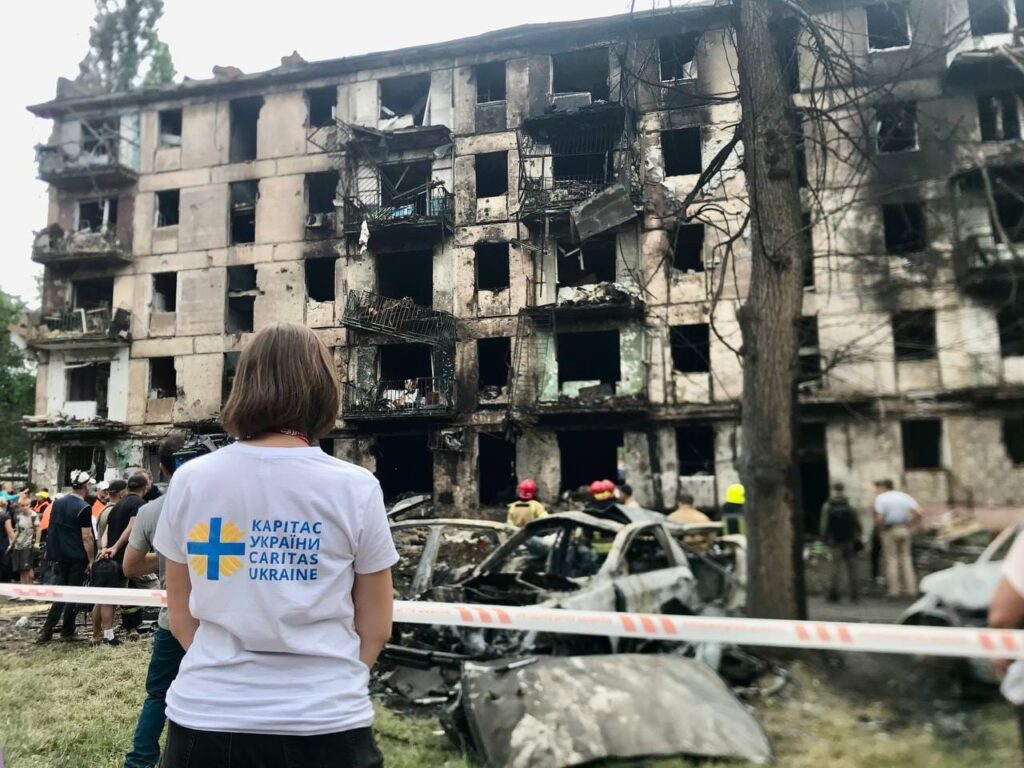
A volunteer at a shell-damaged building in the eastern Ukrainian city of Kryvyi Rih. Photograph: Caritas Ukraine

‘Before the war, our soup kitchen in Kyiv prepared daily meals for about 60 people, mainly homeless individuals. Now more than 500 people come seeking help every day’, says Vyacheslav Grynevych, head of Caritas-Spes.

More Than 6 Million People Supported

Since the large-scale invasion began in February 2022, local Caritas organisations have supported more than 6 million people. Volunteers and staff work closely with affected populations and are themselves often victims of the violence and the economic and social crisis gripping the country.

Housing is under severe strain, with major consequences for daily life. ‘More than four million people have lost their homes and urgently need shelter’, says Tetiana Stawnychy, head of Caritas Ukraine. ‘We are now working with the government on a plan for sustainable housing so that people can rebuild their lives.’
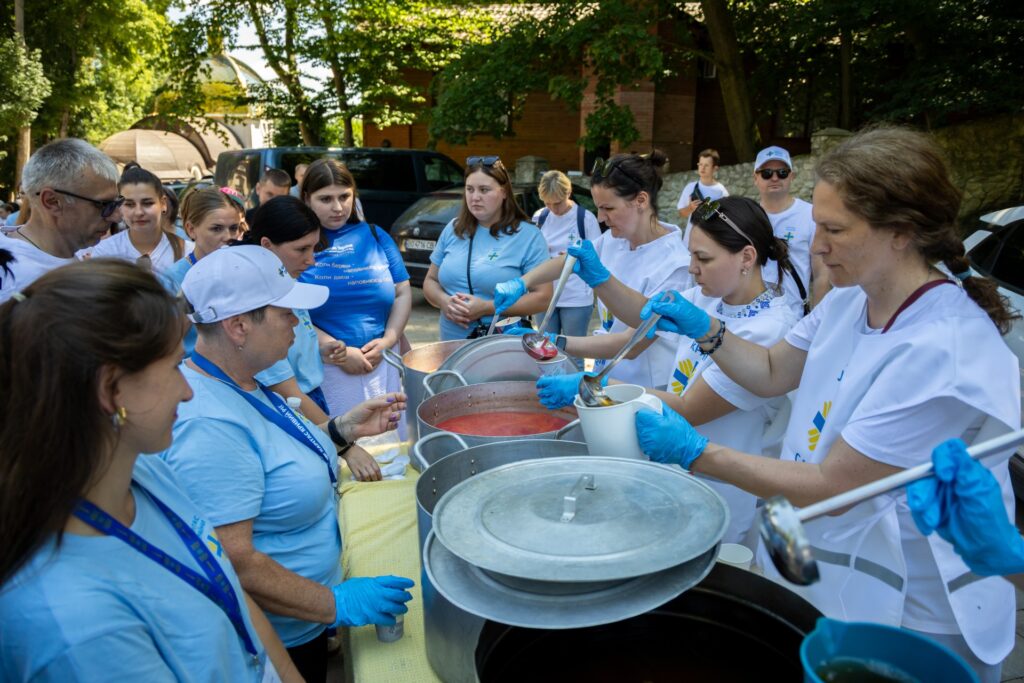
Tetiana Stawnychy (right), head of Caritas Ukraine, with a group of volunteers at a meal distribution point for displaced Ukrainians. Photograph: Caritas Ukraine

Limits of Resilience Reached

According to the United Nations, 10.8 million Ukrainians urgently require emergency aid. Poverty is stark, particularly among groups in the most vulnerable positions, including the elderly, people with disabilities, veterans and children. Many have reached the limits of their resilience.

According to Caritas organisations, the main challenges and activities for this year consist of:

  • Emergency relief: evacuations, medical care and shelter following drone and rocket attacks.
  • Winterisation: restoration of heating, electricity and water supplies, particularly in urban areas.
  • Housing solutions: moving from emergency shelter to sustainable housing for displaced people.
  • Livelihoods: support in finding work or starting small businesses.

Across all forms of aid delivery, the organisations also focus on psychosocial support for people in vulnerable positions.

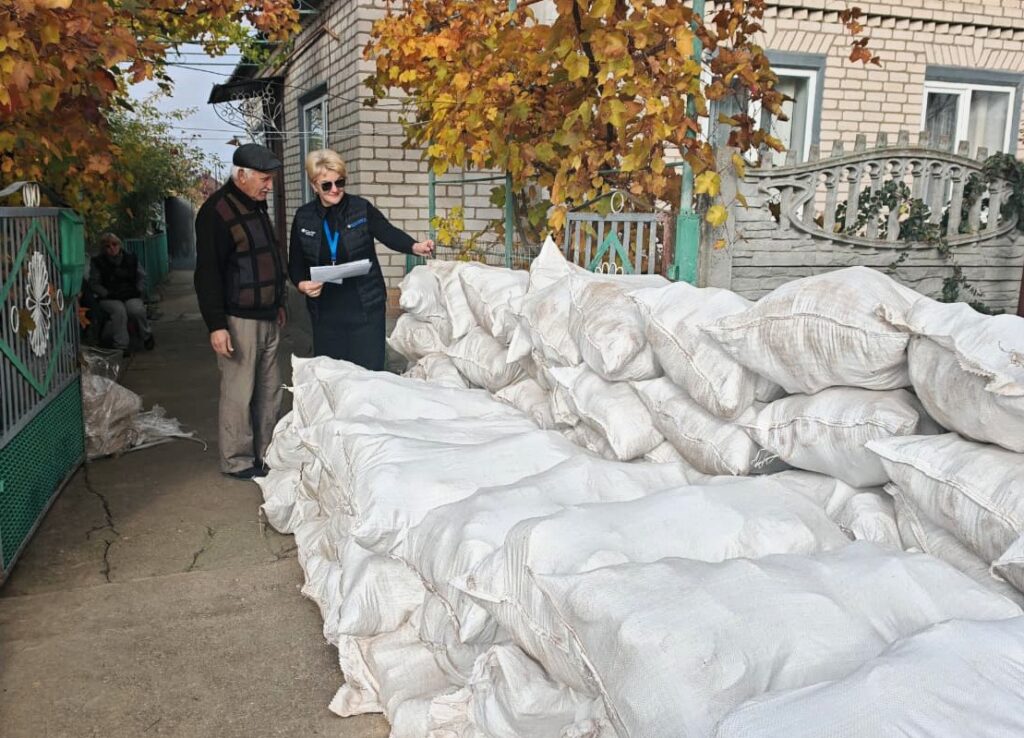
Distribution of firewood for heating in the Dnipropetrovsk region. Photograph: Caritas Ukraine

A Warning Against Waning Commitment

After years of war and escalation, attention risks slipping away among politicians, donors, and the public. Yet needs continue to grow.

‘The new Dutch government has the opportunity to show leadership’, says Heleen van den Berg, director of Cordaid. ‘Structural, multi-year financing for the reconstruction of Ukraine is necessary. And that must not come at the expense of support elsewhere. We cannot wait until the end of the war but must act as quickly as possible.’

According to Van den Berg, investment is needed not only in Ukraine’s resilience but also in the security of the Netherlands and Europe. ‘We owe it to the Ukrainians who are fighting for our shared values. And we owe it to ourselves. We must never become accustomed to what is not normal.’