As climate shocks intensify across East Africa, Rwanda’s smallholder farmers face an existential threat: erratic rainfall and unpredictable seasons are rendering traditional farming methods obsolete, jeopardising food security for millions. In response, an innovative financial intervention is taking root in the country’s Eastern Province.
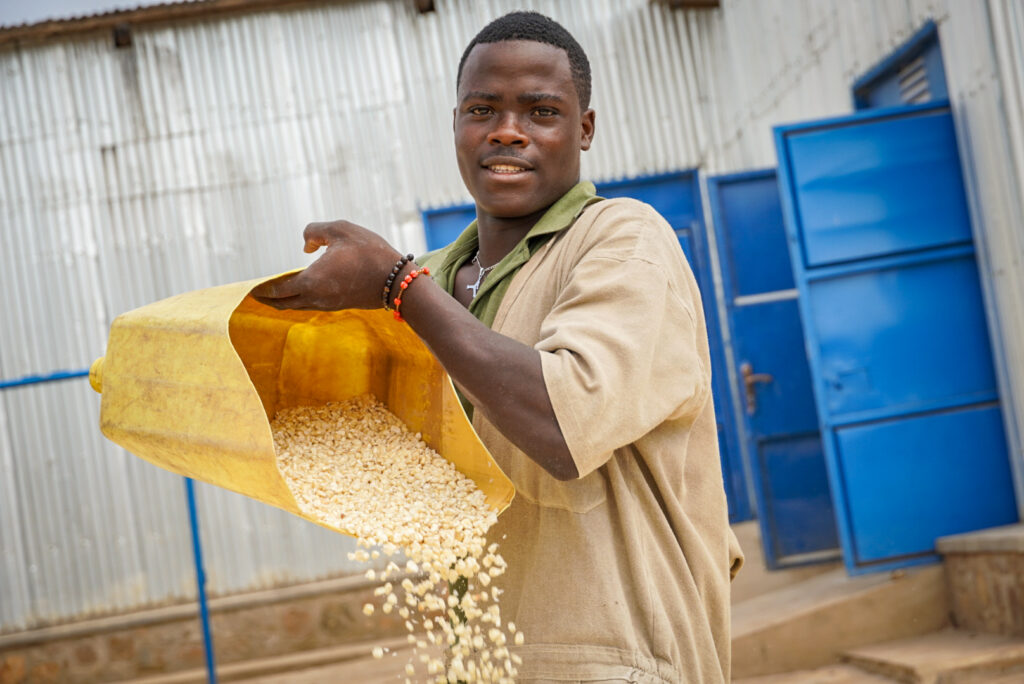
Apollo Rutagarama’s education ended abruptly in the 1960s. He was just 12 years old, a student at Mbarara High School in Uganda, when political turmoil cut short his studies. The following decades brought displacement. He lived as a refugee in Uganda before returning to Rwanda to join the military.
After retiring from the Rwandan Armed Forces, the future felt uncertain. ‘When I left the army and came back home, the future looked bleak,’ Apollo recalls. ‘I had land, but I couldn’t make it productive. The climate was harsh, and I didn’t have the skills to farm it well.’
His struggle reflects a challenge faced by millions of smallholder farmers across East Africa: how to make a living from the land when rainfall has become unpredictable and traditional farming knowledge no longer aligns with the realities of a changing climate.
The answer, for Apollo and thousands of others in Rwanda’s Eastern Province, has come from an unexpected source: community savings and credit cooperatives, known locally as SACCOs, offering what they call ‘green loans’, financing specifically designed to help farmers adapt to climate change.
A Loan Designed for Climate Reality
‘The rainfall and seasons have changed completely from what we knew before,’ Apollo explains. ‘Some days the sun scorches everything; other times the cold ruins our plans. I needed irrigation, but the cost was too high.’
Gitoki Izere SACCO, established in 2009 under Rwanda’s Umurenge SACCO programme with a mission of financial inclusion, saw an opportunity. Their loan was designed specifically to help smallholder maize farmers and agricultural groups acquire irrigation equipment. This is a direct response to climate variability that could boost productivity whilst securing food supplies.
‘After I started using irrigation and better farming methods, a single good season brought me 40 million Rwandan Francs. That’s when I understood what green financing could really do.’
What distinguished this green financial product was its focus on inclusion, prioritising women, youth, and low-income earners, who typically faced barriers to financial access.
As manager Chantal Uwamahoro puts it: ‘When Cordaid introduced us to green financial products, we immediately saw how they aligned with Rwanda’s agricultural priorities through the TREPA project. This was about building real climate resilience whilst improving incomes.’
For Apollo, the impact was immediate and practical. ‘With the loan from Gitoki, I bought water tanks, pipes, sprinklers, and a motorised pump,’ he says.
But the SACCO’s support didn’t end with the purchase. As Apollo notes, ‘The staff and members continue working with us to ensure these irrigation solutions are used sustainably and actually meet our climate adaptation needs.’
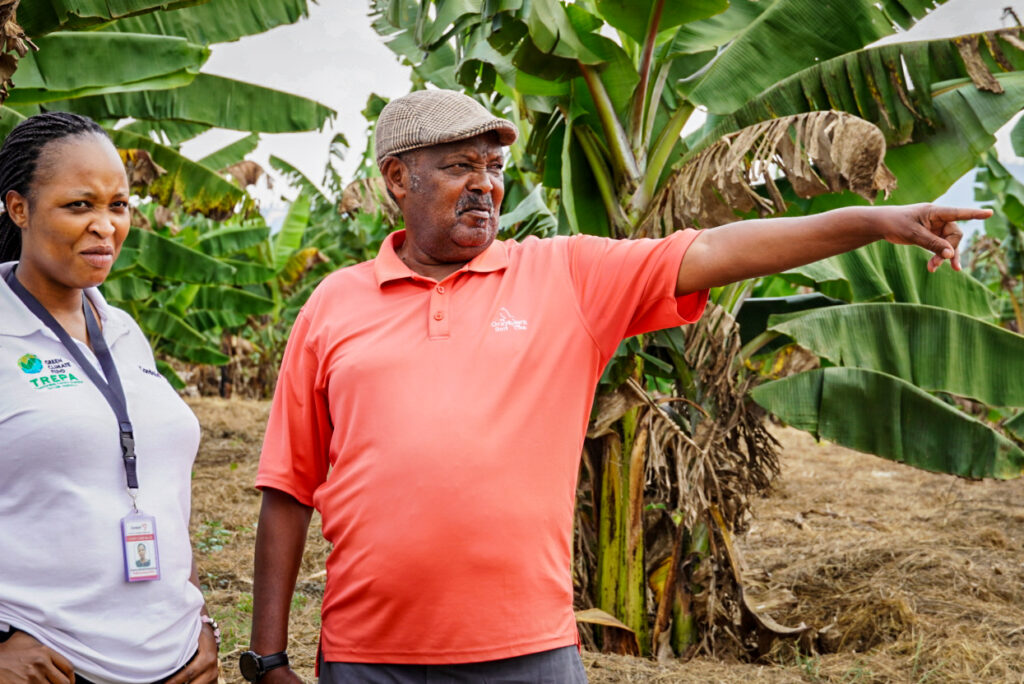
From Struggling Farmer to Employer
The transformation was dramatic. ‘After I started using irrigation and better farming methods, a single good season brought me 40 million Rwandan Francs (2,350 euros),’ Apollo says. ‘That’s when I understood what green financing could really do.’
Today, he runs a thriving maize milling and packaging business in his community, employing 20 permanent workers and 60 seasonal labourers to process maize, matoke, and livestock. ‘Gitoki SACCO became my bridge to capital, helping me grow even further,’ he adds.
The ripple effects extend beyond his own farm. Apollo and fellow farmers who’ve accessed Gitoki’s loans now exchange cattle breeds, quality maize seeds, and cassava cuttings, strengthening the entire community’s resilience.
These green financial products from SACCOs like Gitoki support Rwanda’s National Food and Nutrition Policy, established in January, which aims to make food and nutritional improvement everyone’s commitment.
Challenges remain; Apollo is still searching for a way to pump water uphill to his livestock and home. But with the support system he’s built and the determination that got him this far, he’s confident a solution will come.
Beyond Irrigation: Cooking Stoves and Carbon
Gitoki SACCO serves over 43,414 people and is continuously developing new financial products to grow its current membership of 10,050, explains Jean Pierre Nsengimana, who leads green financial product development at the SACCO.
One innovation extends the green financing model beyond agriculture. The Cana Rumwe loan provides financing for the purchase of highly efficient biomass cooking stoves, with amounts ranging from 15,000 RWF to 460,000 RWF for both electric and biomass stove options.
‘Efficient cooking means less indoor air pollution, which is a major cause of respiratory illnesses for women and children,’ Jean Pierre explains. ‘Families also save time previously spent gathering firewood, allowing them to redirect those hours towards improving household wellbeing.’
By lowering demand for firewood, the loan helps curb deforestation and forest degradation, preventing the release of stored carbon dioxide whilst protecting forests’ natural capacity to absorb carbon, directly reducing greenhouse gas emissions across Rwanda.
In the Gatsibo district of Eastern Province, where maize production dominates, smallholder farmers and rural enterprises form the core of Gitoki SACCO’s growing market. This proves financial innovation can align with both livelihoods and environmental stewardship.
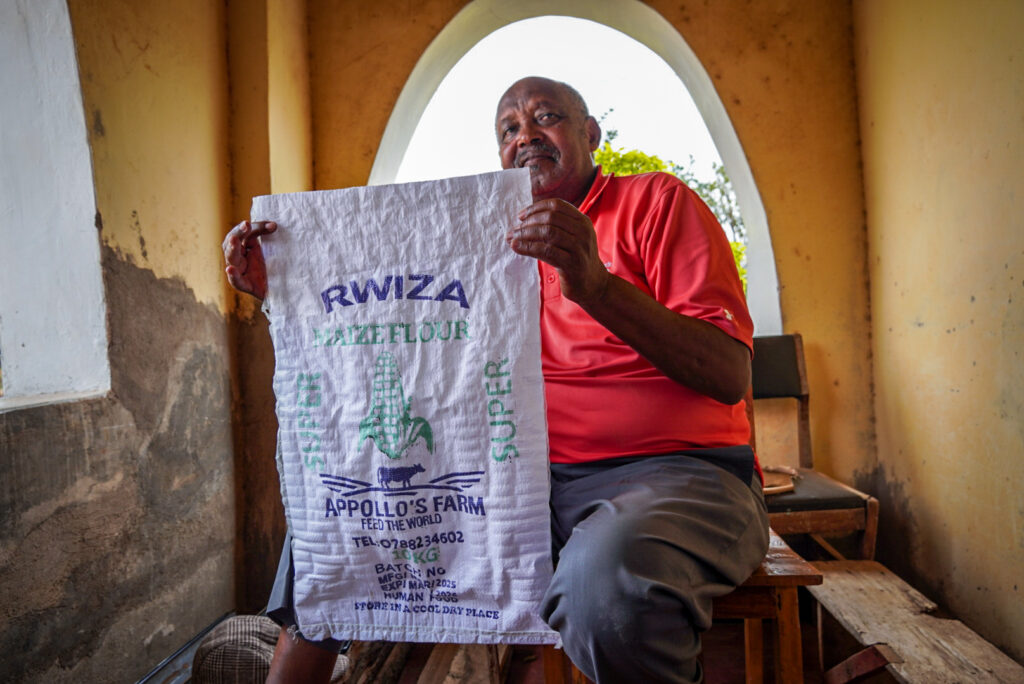
Finance as a Climate Tool
Apollo’s journey from struggling with erratic rainfall to operating a thriving irrigated farm demonstrates how financial inclusion can drive climate adaptation.
By equipping farmers with irrigation, diversifying incomes, and prioritising vulnerable groups, the SACCO’s are turning Rwanda’s fields into testing grounds for resilience.
About TREPA
The Transforming Eastern Province through Adaptation (TREPA) project is a six-year initiative in Rwanda’s Eastern Province, funded by the Green Climate Fund, running from 2021 to 2027. Its main goal is to restore 60,000 hectares of degraded landscapes and build community resilience to climate change by promoting sustainable agroforestry, improved land management, and the development of climate-resilient value chains.
The project is led by the International Union for the Conservation of Nature (IUCN) in partnership with Cordaid Rwanda, the Rwanda Forestry Authority, World Vision, and CIFOR-ICRAF.