As armed groups tighten their grip on the capital of Port-au-Prince and forced deportations intensify, Haiti faces a deepening humanitarian crisis that threatens to collapse entirely without renewed international support.
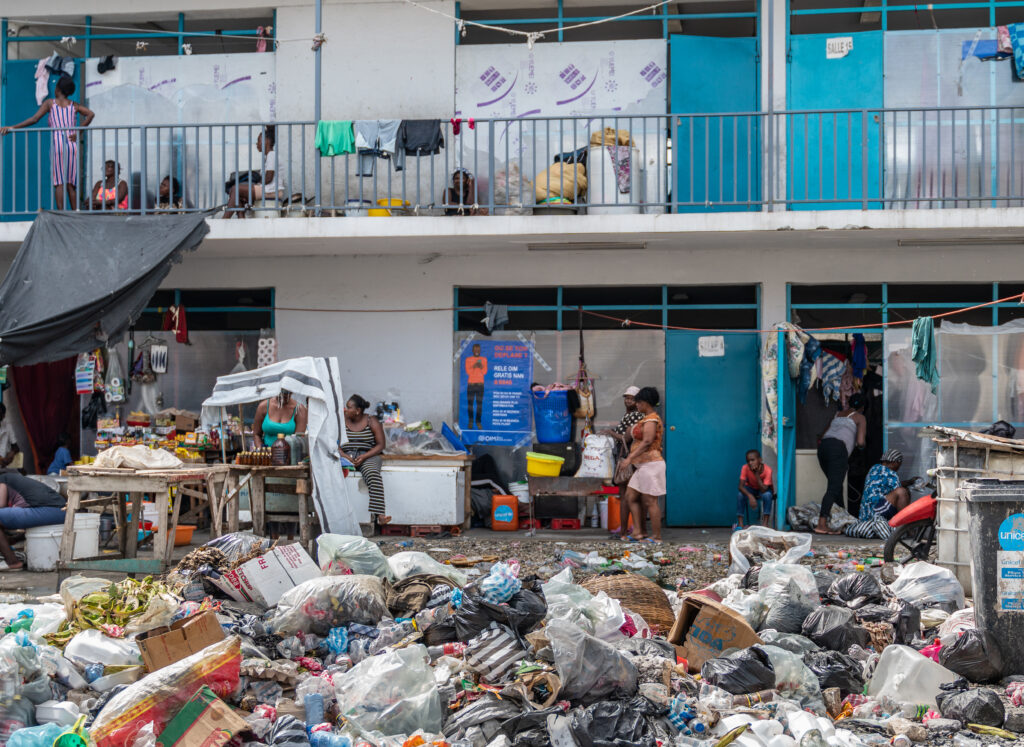
More than 6.4 million Haitians now require humanitarian assistance as the Caribbean nation confronts what aid workers describe as ‘a polycrisis’: multiple overlapping shocks that have overwhelmed the ability of households, communities and institutions to cope.
Armed groups exercise de facto control over 90% of Port-au-Prince, regulating movement, markets and access to basic services. Internal displacement has reached 1.4 million people, increasingly spilling into rural areas and disrupting national food systems.
Meanwhile, 265,000 people were forcibly returned from the Dominican Republic in 2025 alone, compounding pressure on communities already struggling to survive.
Hurricane Melissa
The situation has been exacerbated by Hurricane Melissa, which struck the Grand Sud region in October 2025, destroying livelihoods, infrastructure and water systems. The storm triggered a resurgence of cholera, exposing systemic water and sanitation failures across the country.
Women, children and displaced populations face extreme protection risks, including widespread gender-based violence and exploitation. Only 10% of inpatient health facilities remain fully functional nationwide, whilst about half a million children face prolonged disruptions to education.
Disrupted supply chains and inflation exceeding 30% have pushed over 5.7 million people into severe food insecurity. Loss of income and erosion of livelihoods are now primary drivers of negative coping strategies and secondary displacement, aid organisations report.
Despite these overwhelming needs, Haiti remains among the least-funded humanitarian crises globally. The response has been hampered by short-term, earmarked funding that limits scale and prevents anticipatory action.
Local Organisations Deliver Life-Saving Assistance
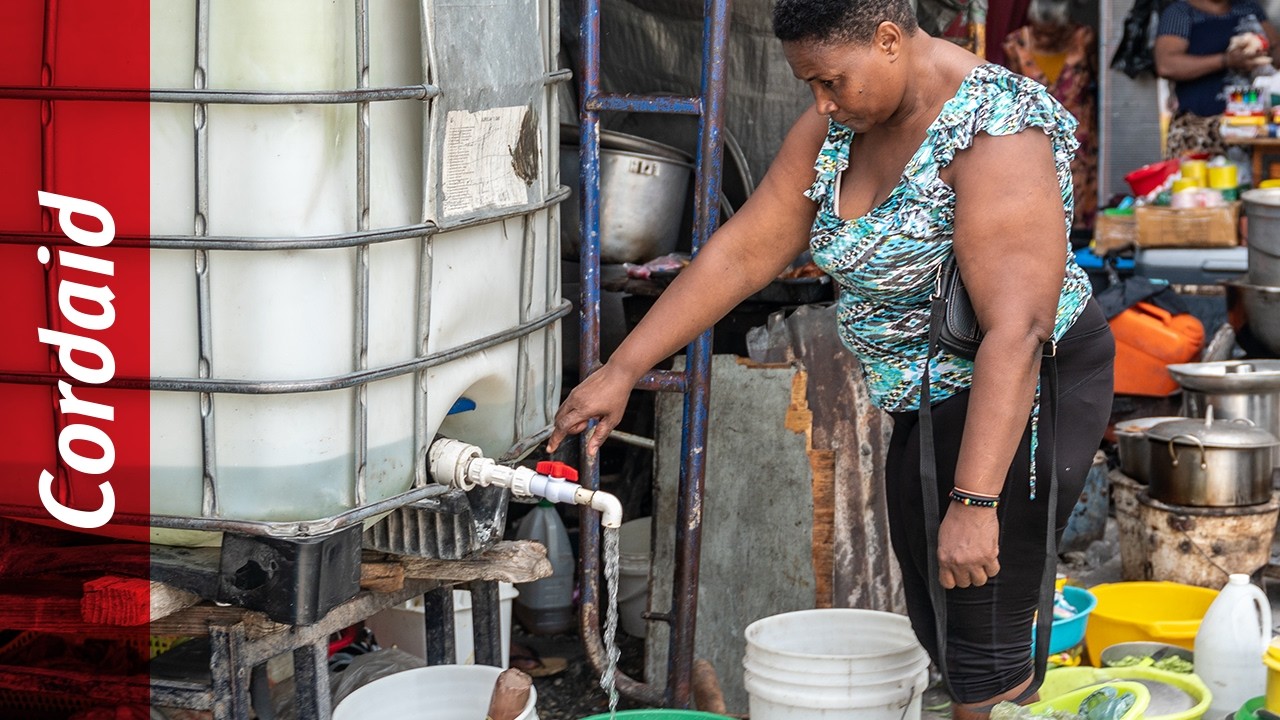
Amid the chaos, Cordaid, in partnership with Christian Aid and local organisations, including Haiti Survie and Konbit pou Ranfose Aksyon Lakay (KORAL), are delivering life-saving assistance in areas with severely constrained access. Their approach, anchored in local leadership, flexibility and dignity, has demonstrated measurable results.
National organisations maintain presence and acceptance in highly insecure environments where international agencies struggle to operate. Local partners have rapidly reallocated resources to respond to emerging displacement and shelter gaps, whilst combining cash transfers, water and sanitation support, shelter and protection has reduced risks and strengthened household resilience.
Watch this video about the Joint Response of the Dutch Relief Alliance in Haiti:
Chronic Underinvestment
Despite effective local responses, critical gaps remain. Shelter assistance continues to rely on emergency tarpaulins in a context of protracted displacement, whilst food security and livelihoods remain under-prioritised compared to immediate life-saving interventions.
Cordaid and its partners are calling for flexible, multi-year funding that enables local actors to adapt responses in real time and integrate sectors. The support must shift from emergency tarpaulins to transitional shelter solutions that enhance safety, privacy, and dignity, whilst scaling up cash-based assistance, market recovery, and income generation as stabilising interventions.
On migration, Cordaid urges governments to advocate against collective expulsions and for legal protections, including the extension of Temporary Protected Status and safe migration pathways for Haitians.
Institutional Fragility
These shocks unfold in a context of institutional fragility, limited state presence and a prolonged absence of democratic governance. Without corrective action, humanitarian organisations warn that existing gaps will deepen dependency, displacement and instability, with regional consequences.
Sustained humanitarian engagement, combined with principled advocacy, can prevent further collapse and protect the foundations of recovery when political conditions allow. Protecting the rights of displaced people and returnees must remain central to international engagement.