On the southern coast of Kenya, many young men grow up without opportunities and are often exposed to drug use and gang violence. For some, these pressures harden quickly into patterns of addiction and violence. For others, with a bit of help, escape is possible.
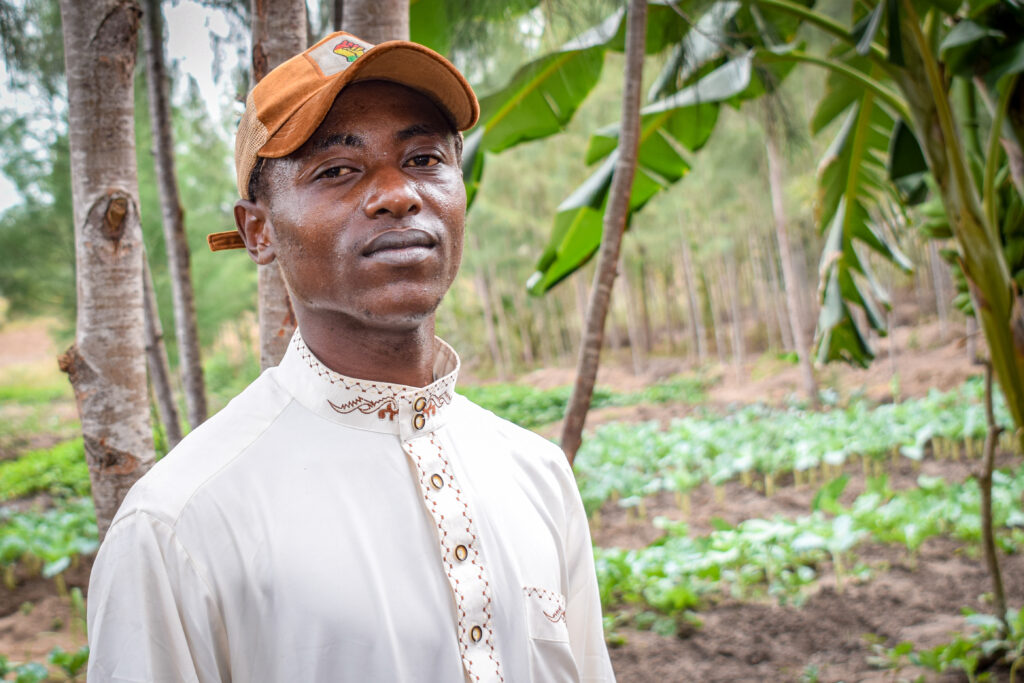
Ismael is the firstborn in a family of five. After completing primary school, his prospects were uncertain, making him vulnerable to the influence of the older boys in the area. ‘They introduced me to drugs, tricking me at first by lacing cigarettes and weed with hard drugs,’ he says. ‘By the time I realised what was happening, I was already addicted.’
A Constant Struggle
Addiction shaped the next seven years of his life, a period he describes as one of constant struggle. ‘I constantly prayed to God to be sober like everyone else.’
His first attempt at change came through a community-based organisation working to combat youth drug use, which referred him to rehabilitation in Kombani, Kwale County. He spent two years in the programme and completed it successfully before returning to Tsimba, his native village.
Recovery, however, did not necessarily mean safety. In Tsimba, rival gangs control different zones, enforcing informal territorial boundaries. According to Ismael, there was a climate in which violence was unpredictable, and affiliation with the gangs often served as a form of protection. ‘Even simple activities like attending a football match could turn violent. If you didn’t belong to a gang, you were even more vulnerable.’
Peacebuilding and Youth Empowerment
Thanks to the Shared Futures project, Ismael was able to leave gang life behind. Shared Futures is a peacebuilding and youth empowerment initiative operating along Kenya’s coast. It addresses the root causes of violent extremism by combining interfaith coexistence work with economic opportunities.
The project organises forums between religious leaders and their constituencies, parent dialogues, sports activities and creative platforms such as radio, theatre and podcasts, while also supporting young people with business skills and market linkages.
‘The training was beneficial in ways we never knew about. All we had previously known was violence.’
Alongside this grassroots work, it engages policymakers and civil society to strengthen frameworks that support peaceful interfaith cooperation.
Now in its third phase, Shared Futures is being implemented by a consortium of five organisations, led by Cordaid Kenya and funded by Kerk in Actie. It is currently active in Kwale and Mombasa counties, building on earlier phases in Kwale, Mombasa and Tana River counties.
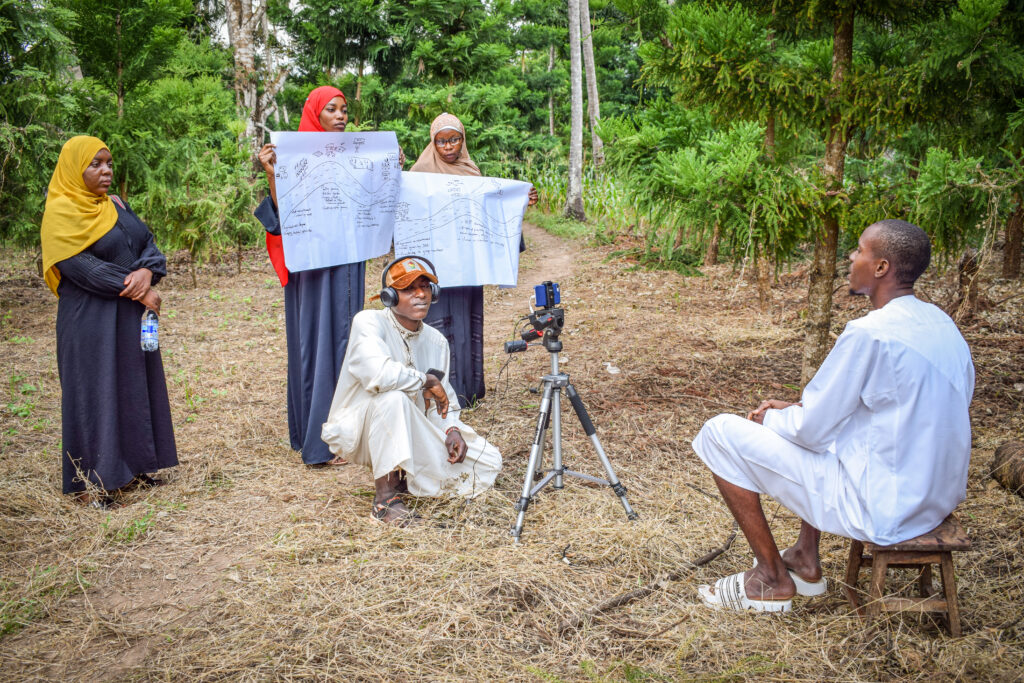
Ismael’s direct encounter with the project began on New Year’s Eve 2024, after a violent confrontation between rival groups. A local administrator involved in the Shared Futures project rejected immediate arrest as the default response. Instead, he summoned the young men to his office for a discussion. He argued that despite their criminal behaviour, they still had potential.
Peaceful Coexistence
At the meeting, professionals assessed their circumstances and introduced them to a community-based initiative promoting peaceful coexistence. Ismael and several peers were linked to training sessions focused on peacebuilding, conflict transformation, livelihoods and personal development. ‘The training was beneficial in ways we never knew about. All we had previously known was violence,’ Ismael says.
Economic alternatives were a central component of the intervention. As part of the livelihood support, eleven beehives were donated to the group. Beekeeping offered both a practical income opportunity and a structured collective activity removed from gang conflict. ‘Some of the beehives are already active. Hopefully, we’ll have a successful honey harvest.’
Rehabilitation and Opportunities
For Ismael, the shift has been cumulative rather than sudden. He links his current stability to both rehabilitation and the opportunities created through Shared Futures. ‘I looked at my own life and how far I had come. I had successfully gone through rehab. It was a major struggle, but I did it.’
He is now engaged in an apprenticeship programme with SambaSport Youth Trust, where he is being trained in carpentry. He also hopes to work with other gang members. ‘I hope to use what I have learned to promote peace and reach out to other young people still trapped in cycles of violence.’