Obstetric fistula remains one of the most devastating yet preventable maternal health conditions affecting women in South Sudan. For tens of thousands, it has meant years of physical suffering and social exclusion. A renewed national effort brings treatment, recognition and relief to women who have lived for too long without care.
Caused by prolonged and obstructed labour without timely emergency care, an obstetric fistula leaves women unable to control urine or stool. The physical injury is often accompanied by stigma, isolation and the loss of livelihoods.
Although fistula is treatable, decades of conflict, chronic underinvestment in maternal health and a severe shortage of trained personnel have left an estimated 60,000 women living with its consequences. Many are in remote or conflict-affected areas, far from skilled birth attendants and surgical services.
National Commitment and Strategic Response
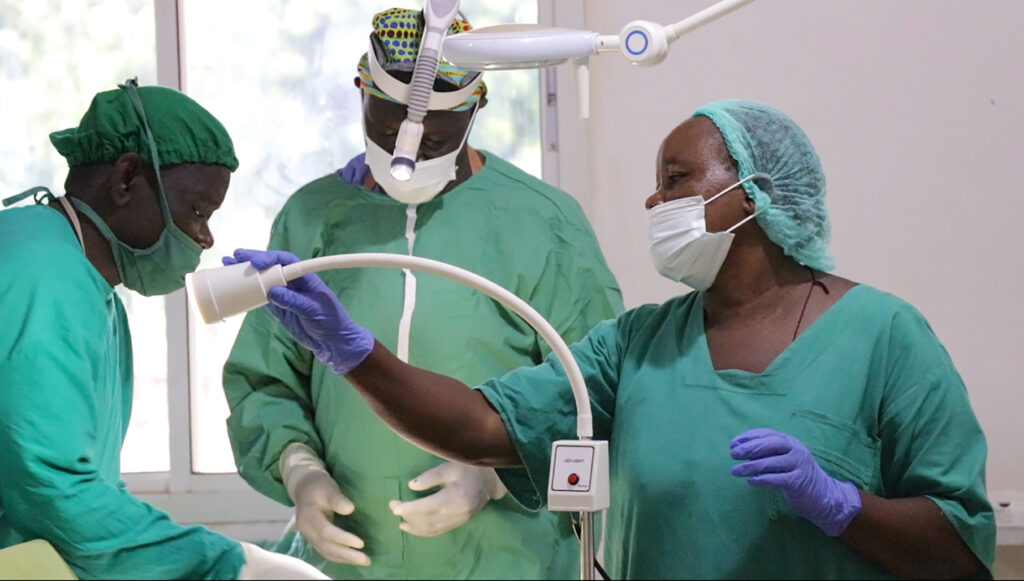
Under the leadership of the Ministry of Health, with support from UNFPA and Cordaid, access to fistula treatment is expanding in Wau, Torit, Kapoeta and Bentiu. The focus is on reaching women who have lived with the condition for years without support, restoring their health while also rebuilding their dignity and opportunities.
By improving surgical capacity and referral pathways in underserved regions, the programme is bringing lifesaving care closer to those who need it most. For many women, this is the first time they have encountered a health system capable of addressing their condition.
Watch this documentary about the healthcare programme in South Sudan and the special care for women who suffer from obstetric fistula:

Healing and Recovery
For more than twelve years, Monica Mario from Wau lived with constant leakage, pain and deep social rejection. A single mother who supported her family through a small tea business, she watched customers turn away because of a smell she could not control. She believed she was cursed and suffered in silence.
Everything changed when Monica attended a community mobilisation session and learned that an obstetric fistula is a medical condition and that it is treatable. She was referred to Wau Teaching Hospital, where a targeted campaign had strengthened services through refresher training for 32 clinical personnel, improved readiness and a structured feeding programme to support recovery.
Outreach across the Greater Bahr El Ghazal region identified 59 confirmed cases. Of these, 54 women, including Monica, received successful surgery and follow-up care.
‘I’m feeling much better after the surgery. I can now join community gatherings again and spend time with others, and I’m able to continue my tea business to support my children,’ said Monica.
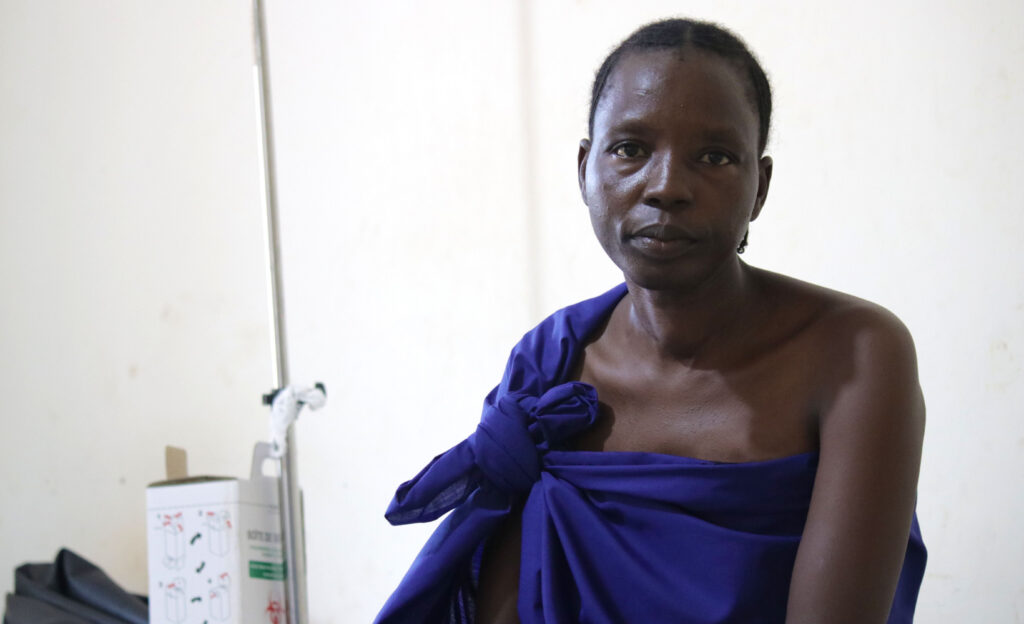
‘When these women undergo successful surgery, their quality of life improves, not only socially, but also economically,’ said Professor Kayondo, fistula surgeon.
Coordination, Partnerships and Sustainability
Similar progress is being made in Eastern Equatoria. In Torit, collaboration with local authorities, traditional leaders and women’s groups has helped encourage women to seek care without fear of stigma or exclusion. Health workers have received specialised training to support both surgical and nursing care, resulting in 18 successful surgeries for women identified through the campaign.
These outcomes highlight the importance of coordinated partnerships. Community mobilisers play a critical role in identifying women and ensuring they are referred safely, while clinical teams provide specialised treatment and compassionate recovery support. By closely aligning with national health priorities, the programme strengthens local systems, builds skills, and reduces the risk that women will be left to cope alone.
Long-Term Investment for Lasting Impact
Despite these gains, the work is far from complete. Ending obstetric fistula in South Sudan will require sustained investment in maternal health services, continued expansion of specialised surgical training and deeper engagement with communities, particularly in remote areas where access to care remains limited.
At its core, this effort is about restoring dignity, justice and inclusion. When a woman receives fistula treatment, she regains more than her physical health. She recovers confidence, the ability to earn a living and a sense of belonging within her community.
As national campaigns expand to Kapoeta and Bentiu, continued collaboration and donor support will be essential to ensure that every woman in need can access care. Eliminating obstetric fistula demands long-term commitment, so that no woman is left unseen and unheard, suffering from a condition that should never be allowed to strip away her dignity.