As the 2026 Global Humanitarian Overview is released, 89 NGOs and humanitarian networks from around the world are raising the alarm with an urgent joint statement: one that paints a stark picture of a world in crisis.
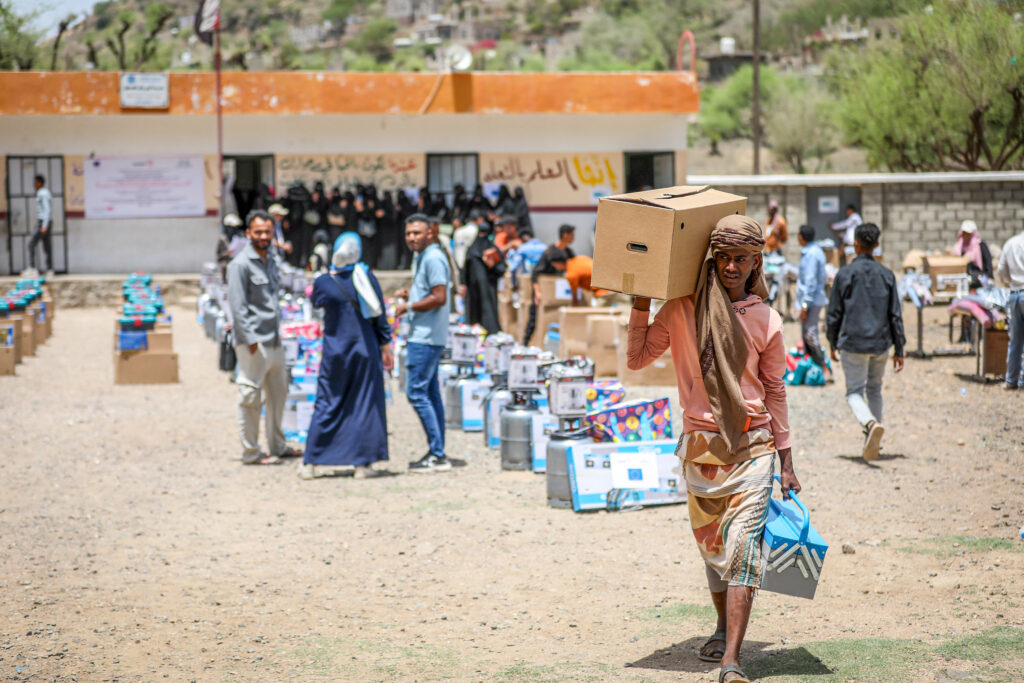
This past year has been unlike any other. Communities across the globe are enduring unimaginable hardship driven by escalating conflict, widespread hunger, mass displacement, climate-fuelled disasters and rising inequality. According to the joint NGO statement, the ‘number and intensity of conflicts are now the highest recorded since 1946‘, undermining global peace and destabilising entire regions.
Meanwhile, political pushback on inclusion and gender equality is erasing decades of progress. Women and girls, especially in conflict-affected areas, are seeing their rights eroded at a frightening pace.
Rising Violence, Falling Protection
One of the darkest trends highlighted in the statement is the systematic violation of international humanitarian law. Civilians are targeted with chilling brutality, aid access is blocked, and frontline humanitarian and healthcare workers are being killed in record numbers.
Despite global condemnation, concrete action to protect civilians remains scarce, fuelling a deepening crisis of trust.
‘We Need to Act Fast’
Cordaid’s humanitarian expert, Inge Leuverink, emphasises the severity of the findings, drawing on what she witnessed earlier this year: ‘The report and statement reflect the seriousness of the situation in many countries. When I visited Yemen earlier this year, I observed the devastating impact of the brutal funding cuts. While families struggle to survive, programmes are being stopped, thousands of NGO workers have lost their jobs, and both local and international organisations are no longer able to provide the humanitarian assistance that is so desperately needed. The situation is deteriorating rapidly. We need to act fast and do everything we can to avoid famine.’
Read the Full Statement
The joint NGO statement reveals the true scale of today’s humanitarian emergencies and outlines what must change to protect millions of lives.